




Classical Alabaster Figure
These classical alabaster figure pieces bring carved stone portraiture and myth into the room, shaped by Victorian and turn-of-the-century hands.
Classical Alabaster Figure
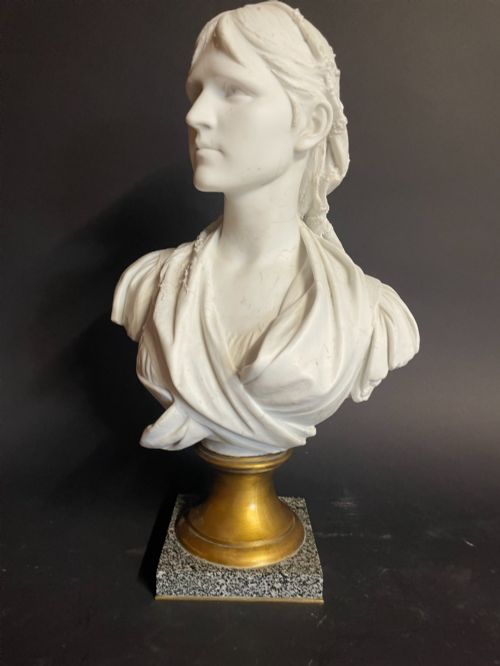
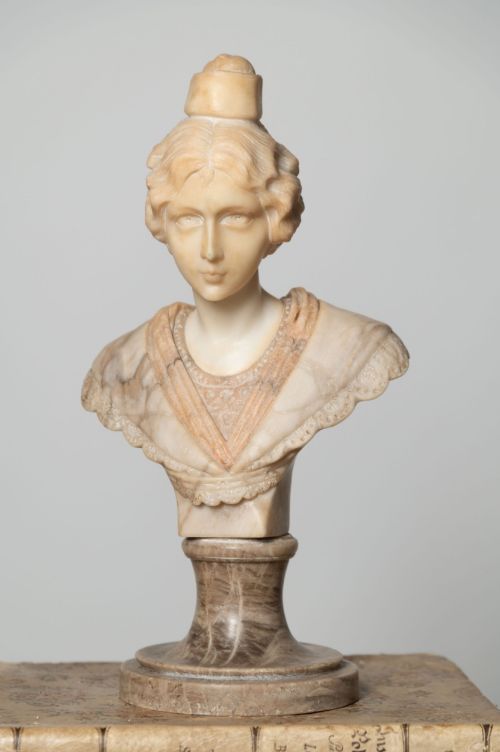
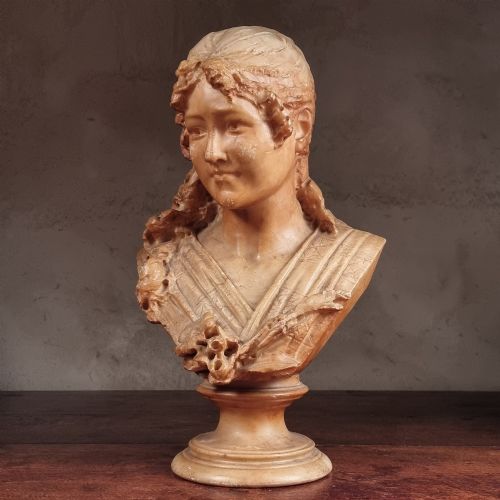
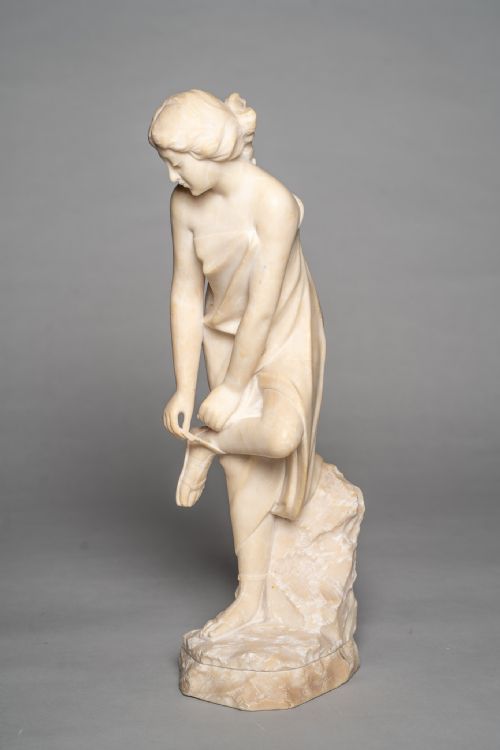
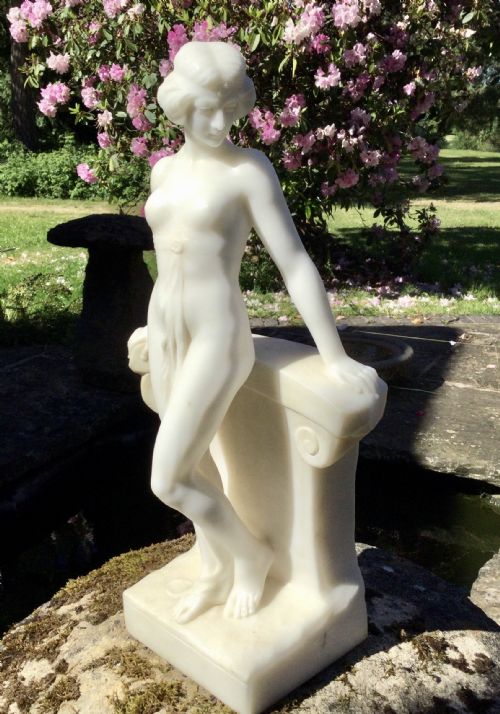
A classical alabaster figure represents subjects drawn from mythology, history, and portraiture, appearing primarily as standalone sculptures, library busts, and mantel clocks. Buyers searching this phrase encounter works dominated by nineteenth-century Italian and French craftsmanship, often depicting female subjects such as goddesses, bathers, and allegorical figures.
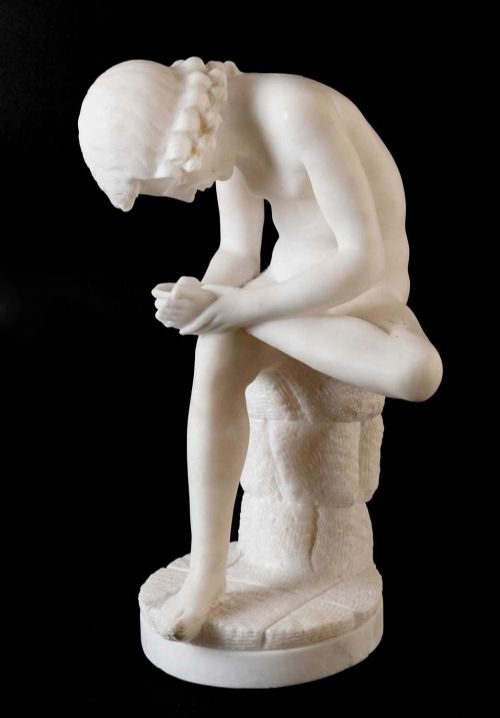
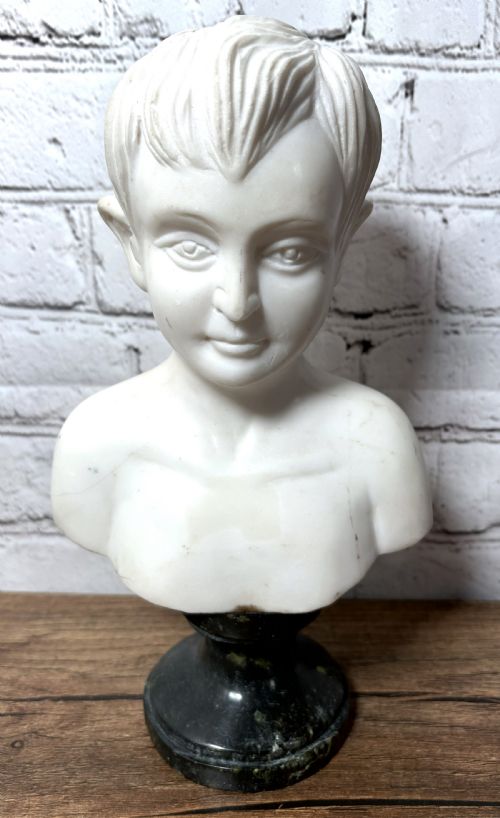
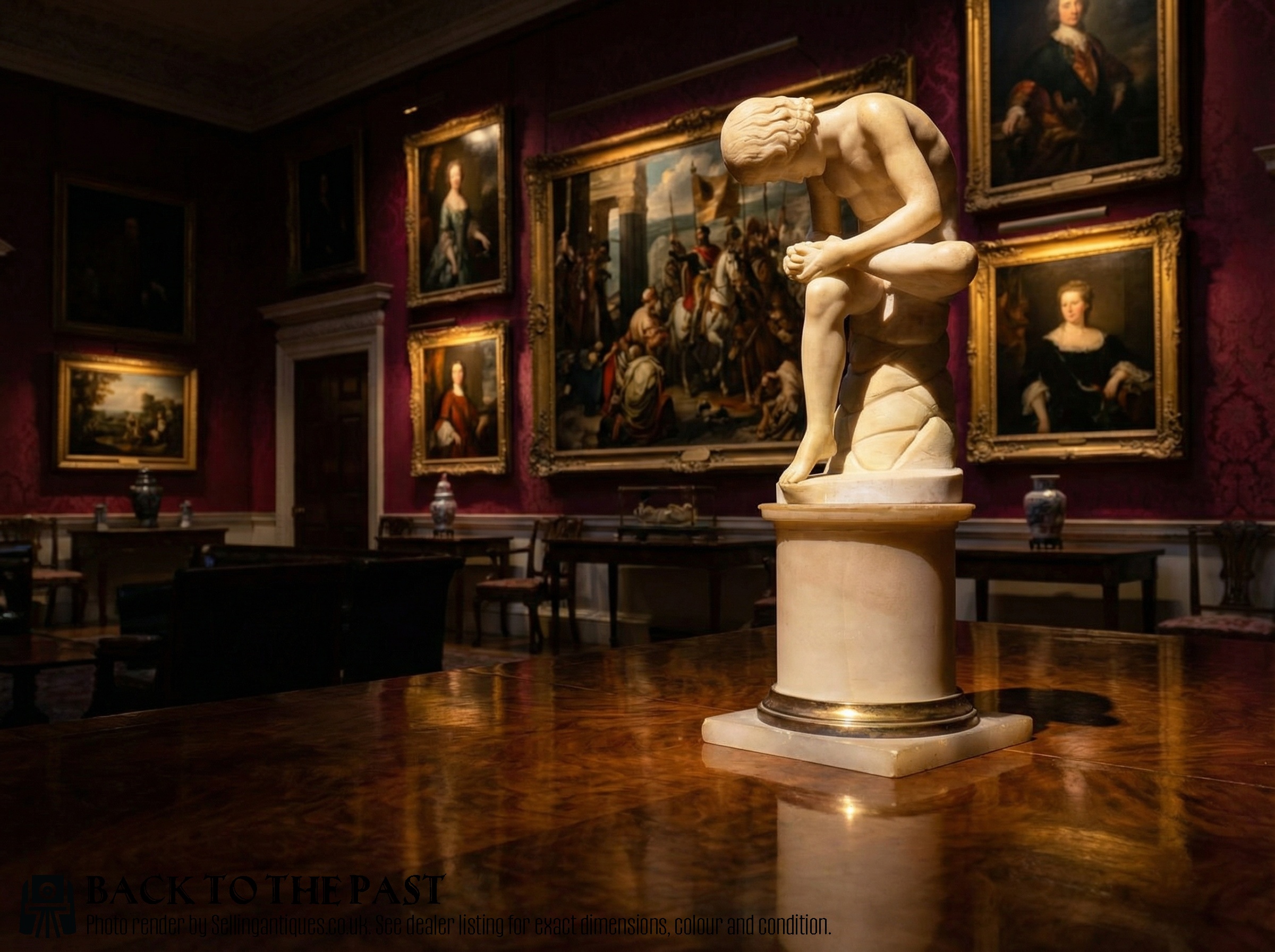
The objects span varied scales, from compact library busts of young boys and gentlemen to large, ambitious depictions of figures like Diana or the Spinario. Many reflect the Grand Tour tradition, translating classical antiquity into refined domestic ornaments for European and British drawing rooms.
Materials and carving techniques
Carvers utilised soft alabaster and denser white marble, sometimes combining them with brass, ormolu, and glass domes to house delicate mantel clocks. The stone was laboriously shaped by hand using chisels, rasps, and abrasive powders to achieve smooth drapery and lifelike flesh tones.
Makers often deployed two-tone alabaster or incorporated subtle veining in the stone to accentuate the contours of hair, fabrics, and natural textures. Signatures and foundry marks were frequently incised directly into the plinth or base upon completion.
Listings feature works spanning the nineteenth and early twentieth centuries, executed in carved alabaster, white marble, and stone, frequently signed by continental makers.
Distinguishing quality in carved stone
Quality rests upon the sensitivity of the carving, particularly in the rendering of facial expressions, hands, and the fluid fall of drapery. Finer pieces demonstrate anatomical precision and an ability to make heavy stone appear yielding and soft.
The crispness of the signature and the proportion of the figure relative to its carved or architectural base further separate standard production pieces from masterworks. Integration with auxiliary materials, such as finely chased ormolu mounts, elevates the overall execution.
A. Gamay·Fritz Kochendorfer·Antonio Frilli·Pugi·G.V. Vaerenbergh·Gugielmo Pugi·P. Emilio Fiaschi·Joseph Gott·R. Lusili
The Classical Alabaster Figure Glossary
- Alabaster
- A fine-grained, soft stone used widely for carving figures and busts because it takes a smooth finish. It transmits light slightly better than denser marbles.
- Grand Tour
- A cultural journey undertaken by wealthy young Europeans in the eighteenth and nineteenth centuries, bringing home small sculptures and classical figures as souvenirs.
- Neoclassical
- A style reviving the art and architecture of ancient Greece and Rome, dominant in European sculpture throughout the nineteenth century.
- Ormolu
- Gilt bronze mounts and decorative elements applied to clocks and stone sculptures to enhance their visual richness.
- Spinario
- A famous Hellenistic bronze sculpture depicting a boy pulling a thorn from his foot, frequently replicated in marble and alabaster during the nineteenth century.
Classical Alabaster Figure: Frequently Asked Questions
What are classical alabaster figures made of?
These pieces are carved primarily from soft alabaster or white marble, sometimes accented with brass or ormolu mounts. The stone allows for delicate translucency and smooth surface textures.
Craftsmen selected specific blocks for their lack of heavy flaws, utilising the natural grain to suggest folds in fabric or the softness of skin.
How were these sculptures used originally?
They served as sophisticated decorative ornaments in nineteenth-century libraries, drawing rooms, and studies. Many doubled as functional items, incorporating clock movements or serving as bookends.
Owners displayed them to signal classical learning, refined taste, and memories of European travel during the Grand Tour era.
How do I care for alabaster at home?
Alabaster is a remarkably soft stone that dissolves in water and absorbs stains easily. Dust the surface gently with a dry, soft brush rather than using damp cloths or chemical cleaners.
Keep pieces away from direct sunlight and damp environments to preserve the natural finish of the carved stone.
How do I distinguish nineteenth-century pieces?
Nineteenth-century carvings frequently exhibit specific romantic or neoclassical revival subjects, often bearing signatures of known Italian or French studios. The patination of the stone and the style of any integrated clock movements help confirm the period.
Examination of the underside and base often reveals tool marks and construction methods consistent with Victorian workshops.