

Classic Artwork Framing
Classic artwork framing centres on period paintings and framed prints defined by centuries of traditional craftsmanship.
Classic Artwork Framing
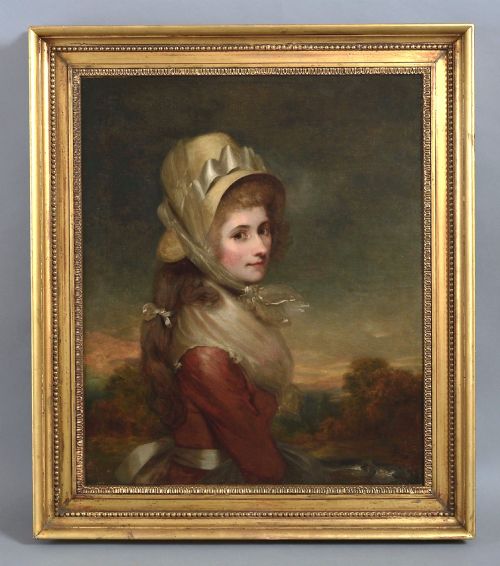
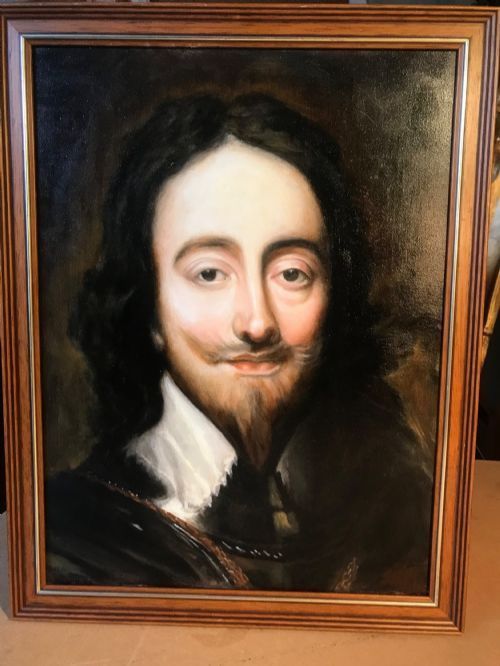
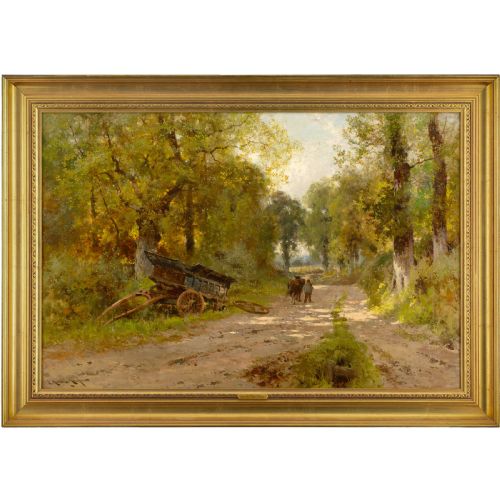
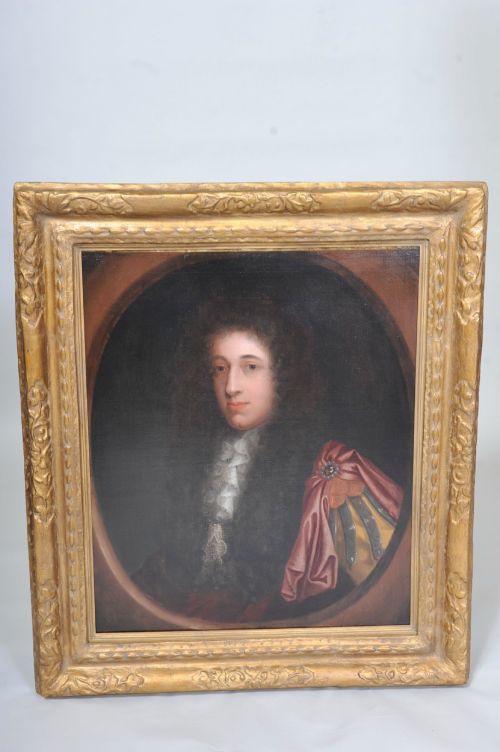
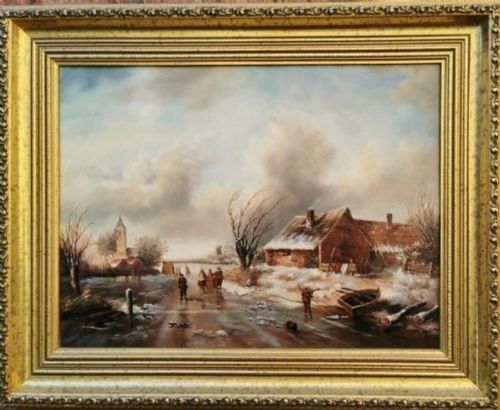
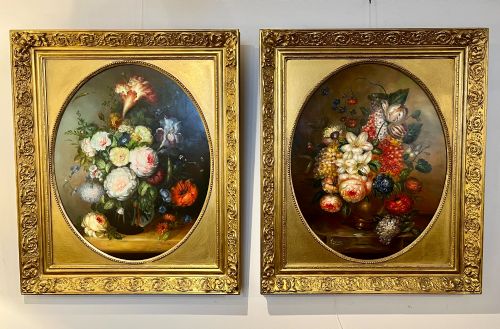
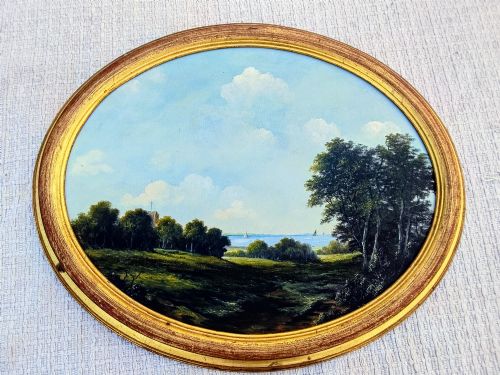
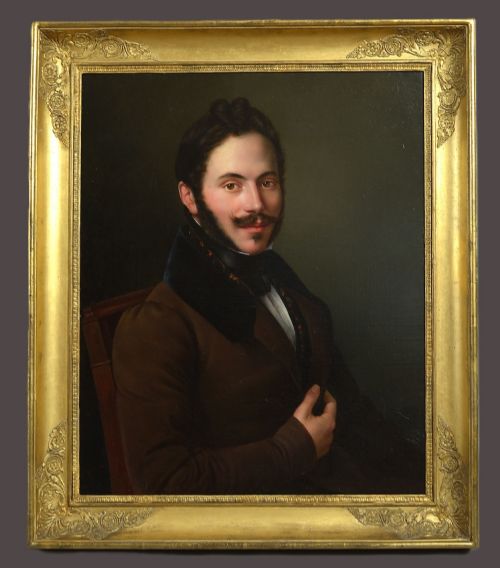
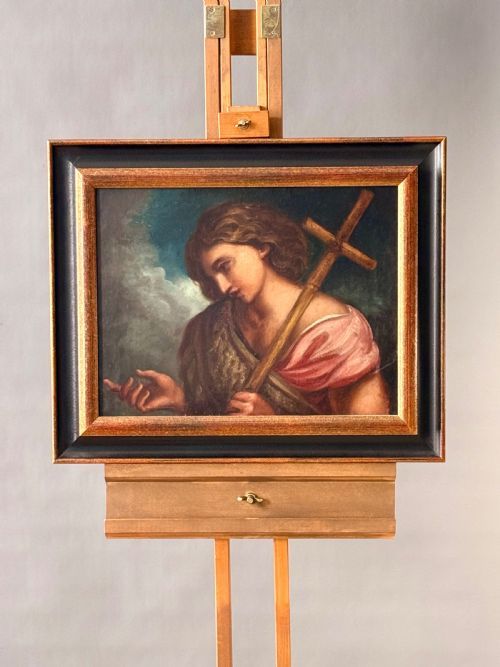
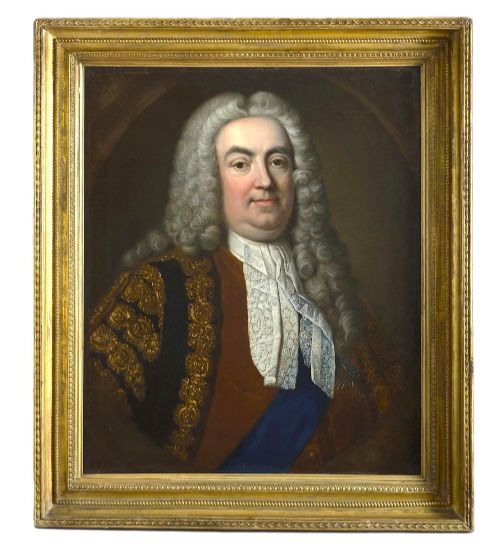
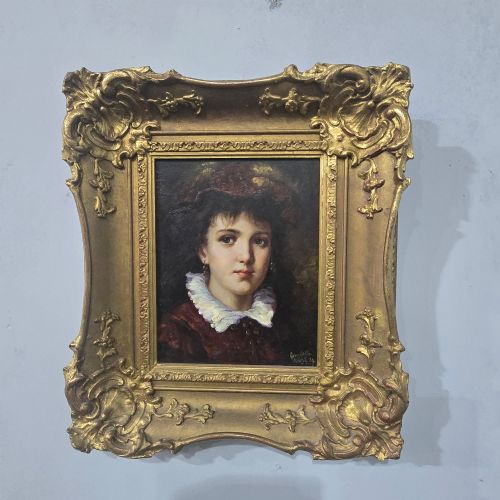
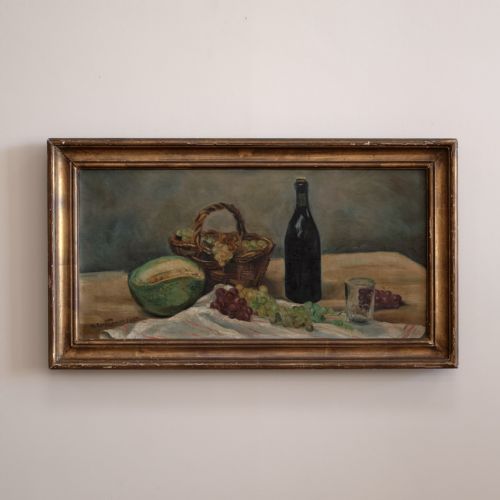
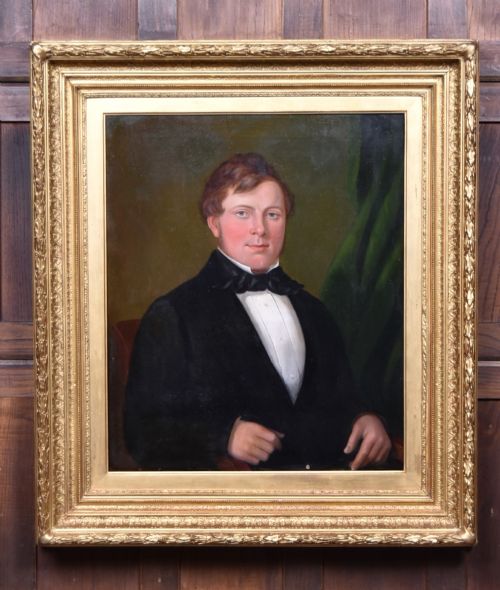
Classic artwork framing encompasses a diverse selection of oil paintings, portraits, landscapes and framed prints spanning multiple centuries of artistic production. Buyers examining this category encounter works ranging from seventeenth-century oil on canvas portraits to nineteenth-century romantic landscapes and twentieth-century still life compositions.
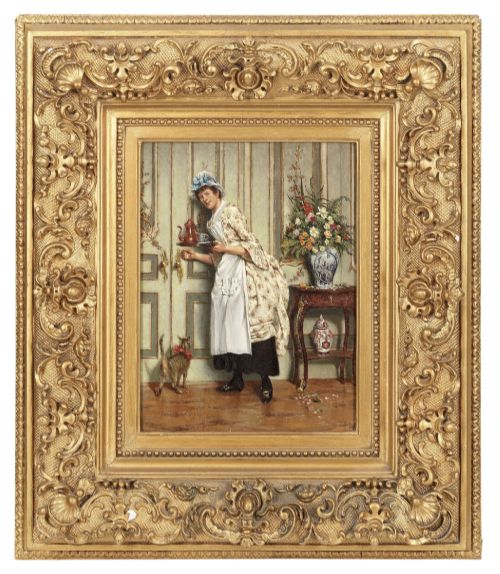
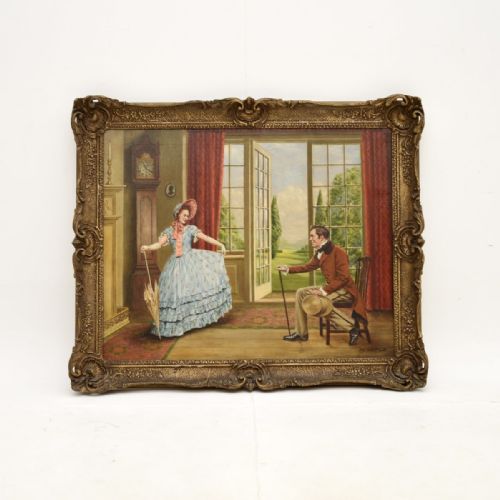
The objects combine historical paintings with period frames made of wood and giltwood, creating integrated visual units that reflect past aesthetic standards. Seventeenth-century portraiture and eighteenth-century canvases share space with Victorian equestrian scenes and Edwardian domestic interiors.
Mid-twentieth-century pieces also appear alongside older items, offering buyers stylistic variety in how historical and vintage works are presented on walls.
How they were made
Makers utilised traditional oil paint applied to woven canvas, wooden panels and prepared paper supports. Pigments were worked by hand to build depth in portraits and landscapes, often finished with protective varnishes.
The associated framing relies on timber construction, including carved wood and gilded surfaces known as giltwood or gilt wood. These frames were tailored to enclose the paintings securely while adding decorative architectural presence around the edge of the artwork.
Several canvases capture domestic animals and leisure pastimes, including a portrait featuring a purebred Arabian horse from Indian stables.
What varies in quality
The distinction between tiers of work rests upon the execution of the brushwork, the depth of anatomical or spatial understanding in the composition, and the historical integrity of the pairing between canvas and frame. Masterful portraiture displays subtle tonal gradation and confident handling of light.
Framing quality depends on the crispness of the carved details in wood and the preservation of the original gilt surfaces rather than superficial brightness.
Sir Martin Archer Shee·Anthony Van Dyck·Sir Godfrey Kneller·Edouard Pingret·Jean Baptiste Van Loo
The Classic Artwork Framing Glossary
- Giltwood
- Wood that has been coated with a thin layer of gold leaf or gold powder over a prepared gesso base. This technique provides a luminous metallic finish popular for period picture frames.
- Oil on Canvas
- A painting medium where pigments suspended in drying oils are applied to stretched fabric. Canvas offers a flexible, durable surface that records fine brushwork.
- Oil on Board
- A painting executed on a rigid wooden panel or stiff pasteboard support rather than flexible woven fabric. This method appears frequently in landscape and still life studies.
- Etching
- A printmaking process where lines are incised into a metal plate with acid before being inked and pressed onto paper. It produces fine, detailed graphic lines.
- Baroque
- An artistic style originating in the seventeenth century characterised by dramatic use of light, rich colour palettes and theatrical composition. It influences both painting technique and frame ornamentation.
Classic Artwork Framing: Frequently Asked Questions
How do I date a framed oil painting?
Dating relies on examining the construction methods of the wooden stretcher, the chemical composition of the canvas, and the stylistic conventions of the brushwork. Secondary clues often emerge from the framing materials and historical inscriptions on the reverse.
Comparing the portrait style or landscape technique with documented periods helps narrow the decade of creation.
Are these paintings supplied with their original frames?
Many historical artworks retain frames contemporary to their creation or period-appropriate replacements that match the aesthetic of the canvas. Giltwood and carved wood frames were frequently paired with specific artistic movements.
Examining the corner joins and backings reveals whether the frame shares the age of the artwork.
How should I hang and light an oil painting?
Oil paintings require stable indoor environments away from direct sunlight and excessive humidity fluctuations. Hang them securely on solid wall fixings using appropriate mirror or wire brackets suited to the weight of the timber frame.
Positioning picture lights above the canvas at a gentle angle enhances visibility without generating damaging heat.
What is the difference between an oil painting and a framed print?
An oil painting is a unique handmade work created by applying wet pigment directly onto canvas or board. A framed print is a mechanical or etched reproduction on paper placed behind glass for protection.
Surface texture distinguishes the two, as paint displays visible brush ridges while prints present a flat inked plane.