


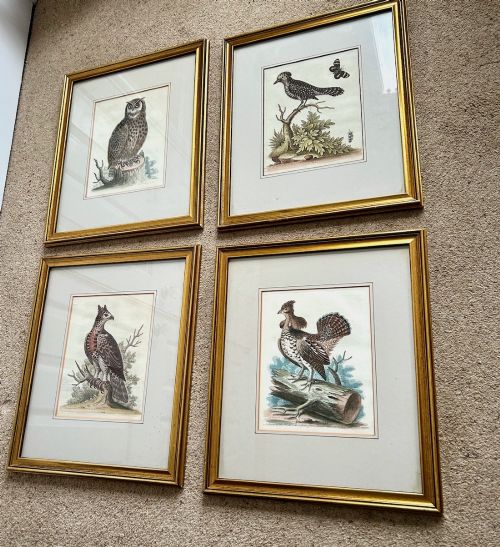
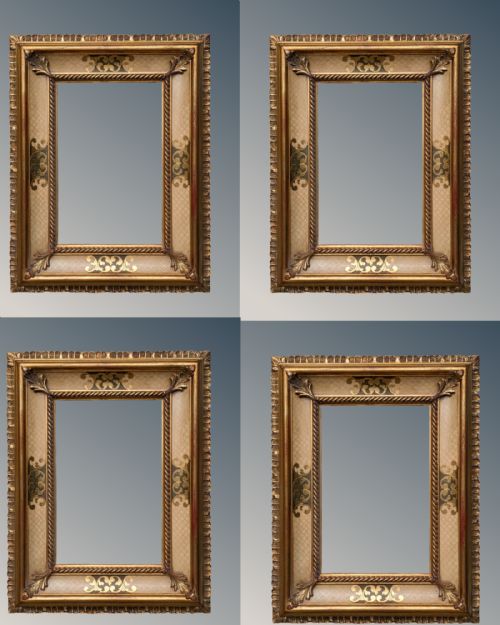

Antique Gold Frame Set
An antique gold frame set brings together matched groupings of historical pictures, prints and panels enclosed in period gilding.
Antique Gold Frame Set
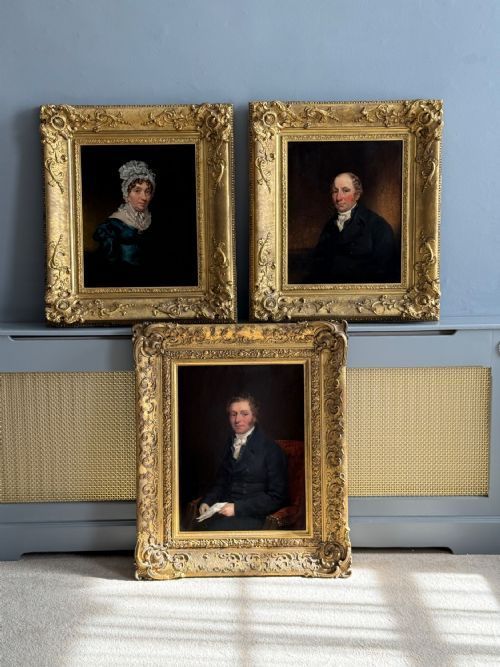
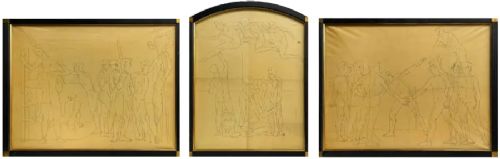
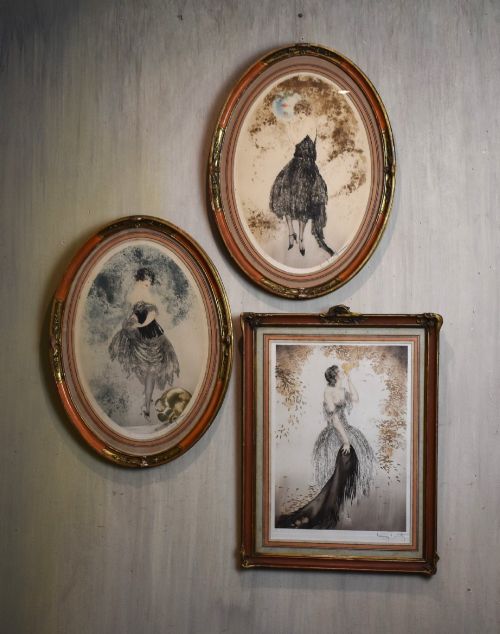
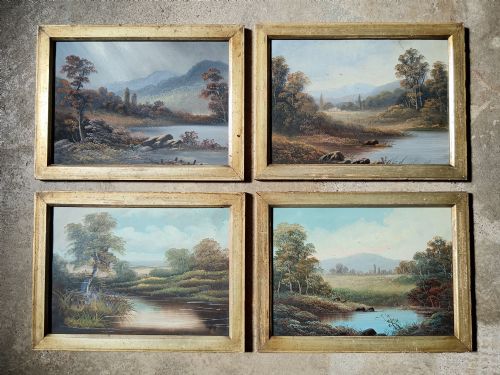
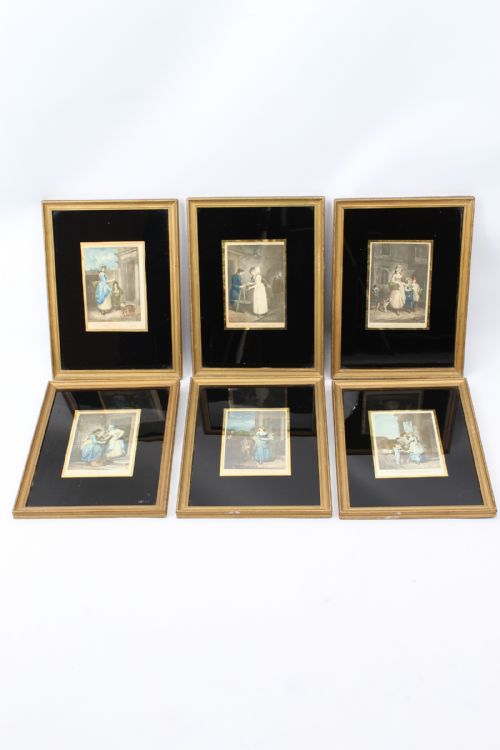
When you search for an antique gold frame set, you encounter coordinated groupings of works created across the eighteenth and nineteenth centuries. These groupings typically comprise sets of three, four, or six individual pieces, ranging from botanical studies and landscape paintings to architectural engravings.
The most common versions met on this page include multi-plate suites of hand-coloured ornithological or shell engravings, alongside matched oil paintings and watercolours enclosed in period timber mouldings. Such ensembles were originally assembled to decorate formal rooms as unified decorative schemes, maintaining a consistent visual rhythm across a wall.
Materials and Construction
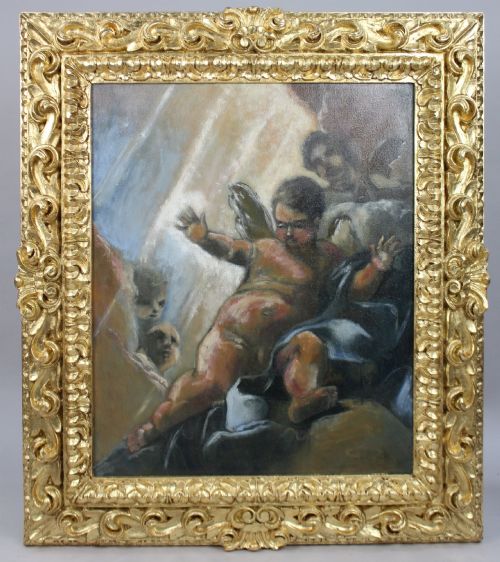
The physical objects combine traditional woodworking with delicate surface gilding, utilising timber bases of wood or maple finished with layers of gesso. Artisans applied thin sheets of gold leaf or gold paint over sculpted plaster ornament to achieve the characteristic metallic sheen.
The works held within these borders rely on paper, glass, watercolour, gouache, and oil paint on panel or canvas. Framed prints and engravings are frequently protected behind glass within tight rebate joints, while heavier oil paintings are secured directly into deep rebate profiles.
One determined eighteenth-century naturalist managed to document birds and shells before anyone thought to check their spelling.
Distinguishing the Finest Examples
Quality rests upon the crispness of the carved ornament on the timber mouldings and the integrity of the original gilding surface. Superior sets display hand-worked gesso details with sharp relief, whereas lesser examples show flat, machine-extruded composition ornaments or heavy later over-painting.
The harmony between the individual items within the group dictates the overall standard of the set. Matching plate numbers, uniform paper toning, and consistent framing treatments across all components indicate an authentic, undisturbed contemporary grouping rather than a later assembled assortment.
Joseph Clover RA·Louis Icart·Oliver Goldsmith·George Edwards·John Flaxman·Thomas Mackay·William Swainson·Edward Lear·David Roberts RA·Guiseppe Mazzolini·Giovanni Liberotti
The Antique Gold Frame Set Glossary
- Giltwood
- Wood that has been coated with gold leaf or gold powder. This surface treatment was widely applied to eighteenth and nineteenth-century picture frames and architectural mouldings.
- Gesso
- A plaster mixture used as a base for paint or gold leaf on wood frames. It provides a smooth white surface that could be modelled or carved before gilding.
- Engraving
- A printmaking process where an artist cuts lines into a metal plate with a burin. The inked plate transfers fine, sharp details onto paper when run through a press.
- Lithograph
- A planographic printing technique based on the chemical repulsion of oil and water. Artists drew directly onto limestone blocks to produce multi-coloured pictorial runs.
- Cartagloria
- An ornamental altar card placed at the centre or sides of a church altar. These liturgical texts were traditionally housed within elaborate gilt frames.
Antique Gold Frame Set: Frequently Asked Questions
What periods do these framed sets come from?
The pieces span the eighteenth and nineteenth centuries, with specific examples originating from the Georgian, Victorian, and Edwardian eras. Many reflect the neoclassical tastes and grand tour aesthetic popular during the eighteen-hundreds.
Craftsmanship from these periods typically employs solid timber foundations finished with hand-applied gesso and gold leaf. The enclosed artworks range from early scientific illustrations to pastoral landscape oil paintings.
How were these sets originally displayed?
These groupings were intended to hang together as a unified decorative scheme across drawing room and salon walls. Architectural prints, botanical studies, and portrait series were balanced symmetrically to create a cohesive visual narrative within a room.
The matching borders ensured that disparate subjects maintained a formal relationship when arranged in pairs, trios, or larger sequences.
Are the frames original to the artwork?
Many sets retain their original period surrounds, which were tailored to the dimensions of the specific prints or panels they enclose. The ageing of the gesso and the wear on the gold leaf generally correspond to the era of the paper or canvas within.
Some listings feature period replacements or later housing that matches the historical style of the artwork. Examining the corner joints and rebate construction reveals whether the ensemble has remained intact over the centuries.
How do I care for antique gilt frames?
Giltwood requires a stable indoor environment away from direct sunlight and excessive moisture to prevent the gesso from cracking. Dusting should be performed gently with a dry, soft brush without applying chemical cleaning agents.
Preserving the fragile metallic surface involves minimal handling of the outer mouldings and protecting the paper or canvas elements behind the glass from humidity fluctuations.