


Italian Carved Picture Frames
These Italian carved picture frames combine centuries of craftsmanship with striking ornamentation, offering collectors rich gilt surfaces and elaborate profiles that elevate any interior.
Italian Carved Picture Frames
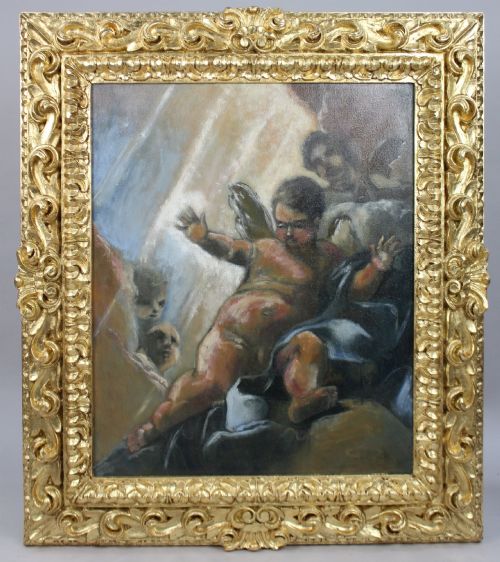
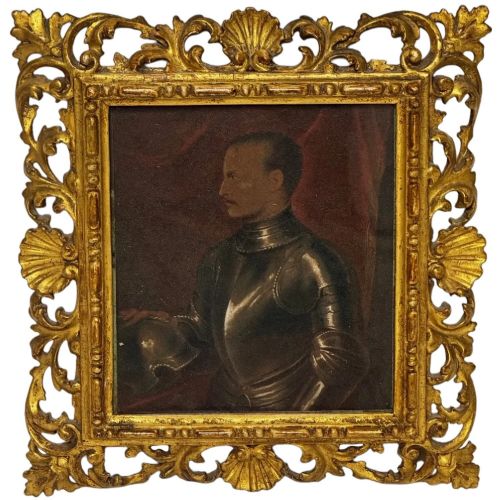
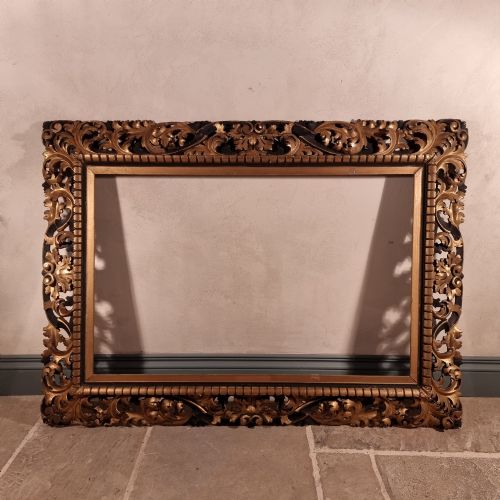
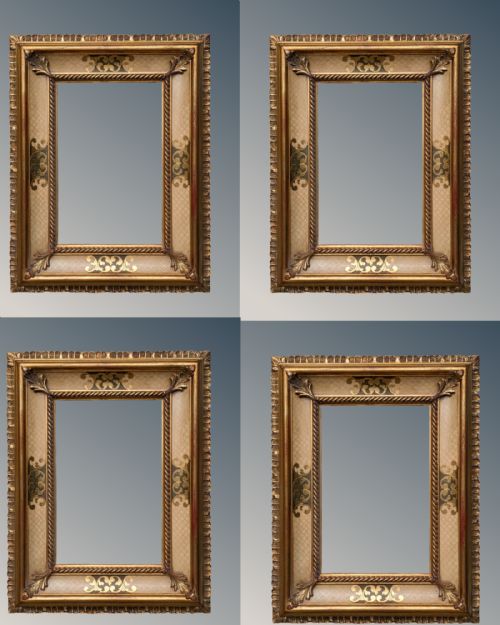
Italian carved picture frames encompass centuries of craftsmanship, ranging from ornate Florentine styles to classical cassetta designs and Renaissance revivals. When searching for italian carved picture frames, buyers encounter items produced across the sixteenth, eighteenth, and nineteenth centuries, as well as later twentieth-century interpretations.
The objects listed here span various functional forms, including traditional picture frames, mirrors, altar frames, and complete framed artworks such as oil paintings, drawings, and tapestries. Surviving examples reflect the shifting aesthetic preferences of Italian workshops, incorporating baroque flourishes alongside restrained classical proportions.
Materials and construction
These items rely on timber foundations shaped by hand carving, frequently coated in gesso to prepare the surface for subsequent ornamentation. Artisans applied gold leaf and giltwood finishes to achieve the luminous metallic sheen characteristic of traditional Italian framing.
Many surviving examples incorporate applied composition or direct carving directly into the wooden substrate, supporting complex relief patterns such as acanthus leaves and scrollwork. The integration of paper, glass, and canvas components within these frames demonstrates diverse workshop practices across different eras.
Period representation on this page spans from the sixteenth century through the eighteenth and nineteenth centuries into the nineteen-sixties.
Evaluating quality and execution
The depth and crispness of the hand carving distinguish superior examples from simpler production, particularly where undercut foliage and detailed mouldings are present. Fine preservation of the original gold leaf and gesso layers indicates careful historical maintenance and superior initial craftsmanship.
Proportion and structural integrity also dictate the standing of a piece, with harmonious architectural balance separating masterwork frames from standard decorative items. The weight and quality of the underlying timber contribute significantly to the overall solidity and longevity of the object.
The Italian Carved Picture Frames Glossary
- Giltwood
- Timber that has been coated with gold leaf or gold paint. This finish creates a reflective, luminous surface that defines many antique frames.
- Gesso
- A plaster-like mixture applied to wooden frames as a smooth base for gilding. It allows artisans to carve intricate details before applying gold leaf.
- Florentine
- A regional style originating from Florence, noted for ornate, deeply carved foliage and rich gilding. These frames often display elaborate scrollwork and pierced decoration.
- Cartagloria
- An altar card frame used in liturgical settings to hold printed prayers. These pieces frequently feature elaborate ecclesiastical carved decoration.
Italian Carved Picture Frames: Frequently Asked Questions
How do I date an antique frame?
Dating relies upon examining the underlying timber, the composition of the gesso, and the style of the carving relative to known historical periods.
Changes in workshop techniques and tool marks also help distinguish sixteenth-century workmanship from nineteenth-century revivals.
Are these frames suitable for modern art?
Many collectors pair antique Italian frames with contemporary paintings or mirrors to create a striking visual contrast.
The rich gilt surfaces and deep profiles add depth and historical weight to simpler modern works.
How should I clean giltwood frames?
Giltwood surfaces require gentle dusting with a soft, dry brush to prevent damage to fragile gold leaf layers.
Moisture and chemical cleaners must be avoided entirely to preserve the historical gesso and gilding underneath.