
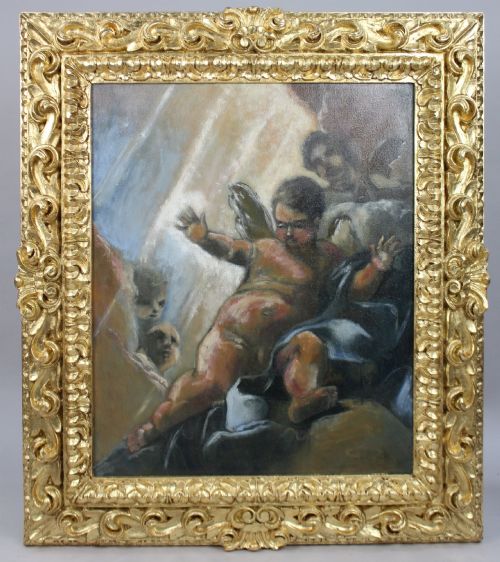
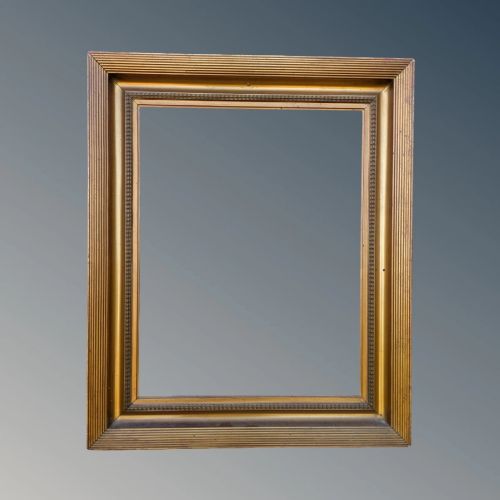


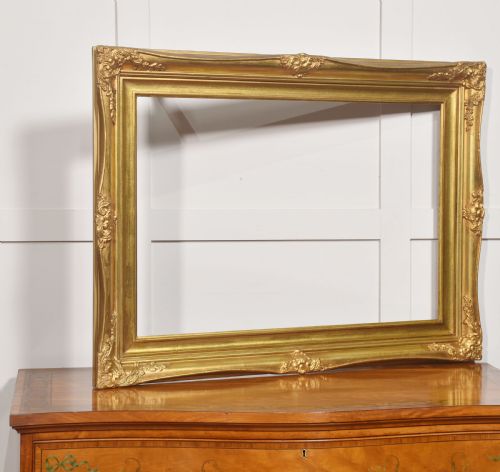
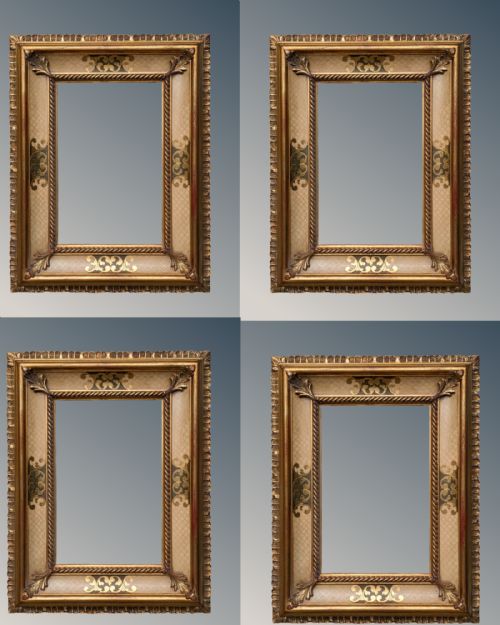



Gold Wooden Picture Frames
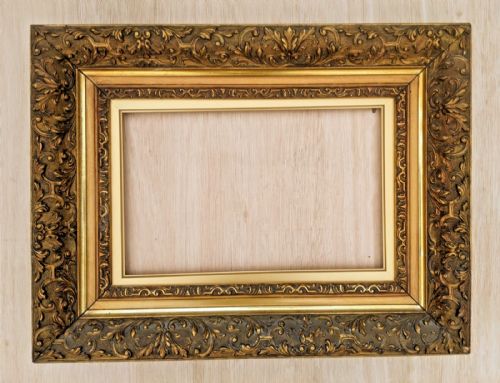
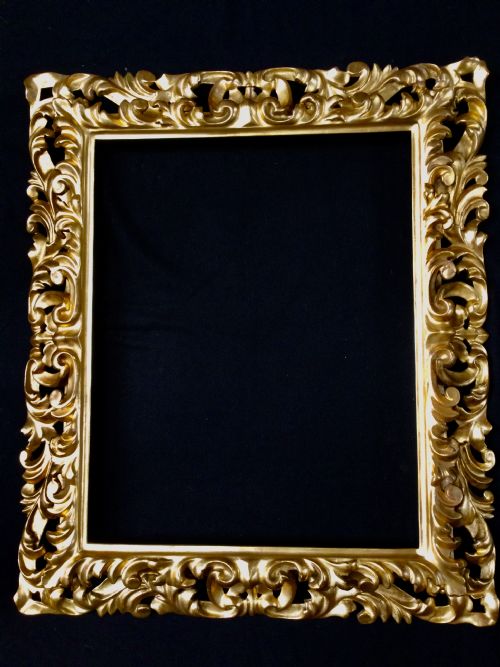
Gold wooden picture frames bring warmth and historical depth to interiors, and you will find them here in styles ranging from Victorian to Renaissance Revival.
Gold Wooden Picture Frames
Gold wooden picture frames are decorative surrounds designed to house oil paintings, mirrors, and watercolours. When you search for gold wooden picture frames, you encounter pieces that span from the seventeenth century through to the twentieth century, reflecting shifting aesthetic tastes.
The versions you are most likely to meet on this page include nineteenth century examples, Victorian pieces, and later interpretations from the 1920s and 1930s. These items often arrive housing original artworks, from marine scenes to portraits, while others survive simply as empty frames or wall mirrors.
Makers and artisans across Continental Europe and Britain produced these items in distinct regional idioms. You will see Italian Renaissance Revival examples alongside British Victorian works, demonstrating how different workshops adapted classical motifs for domestic display.
How they were made
Makers constructed these pieces using timber frames as the foundational base. This wooden core provided the structural integrity required to support heavy canvases and detailed surface decoration.
Workshops applied gesso over the wood to create a smooth, responsive layer for subsequent gilding. Artisans then applied gold leaf or giltwood finishes to achieve the characteristic metallic sheen that defines these objects.
Listings span from the seventeenth century to the twentieth century, featuring materials such as wood, gesso, gold leaf, and glass.
What varies in quality
The sophistication of the carved ornament dictates much of the visual merit. Deeply undercut carving in wood and refined modelling in gesso separate ambitious workshops from mass production.
The purity and application of the gilding layer determine the longevity of the surface reflection. Subtle burnishing and the survival of the original gold leaf retain the intended play of light across the contours.
Gustave De Bréanski·Edwin Hughes·K & K Hof Atelier Pietzner·A. Winter Shaw·John B. MacDoanld·Kershaw Schofield
The Gold Wooden Picture Frames Glossary
- Gesso
- A plaster mixture applied to the wooden base as a preparation for gilding. It provides a smooth surface for intricate carving and detail work.
- Giltwood
- Timber that has been coated with gold leaf or a gold-coloured substance. This material gives the frame its rich metallic appearance.
- Rococo
- An ornate artistic style characterised by asymmetry, curves, and shell motifs. Frames in this taste display exuberant and fluid ornamentation.
- Renaissance Revival
- A nineteenth-century movement drawing inspiration from the art and architecture of the fifteenth-century Renaissance. Such pieces feature classical symmetry and architectural moulding.
- Carved
- Shaped by cutting away material from the solid wood. Hand-carving indicates greater artisan labour than moulded composition ornament.
Gold Wooden Picture Frames: Frequently Asked Questions
Can I hang a heavy gold frame on a standard wall?
These items often possess substantial weight due to their timber cores and dense gesso layers. Ensure you use appropriate fixings rated for the load.
Heavier pieces require direct anchorage into wall studs or solid masonry rather than relying solely on standard plasterboard plugs.
How do I clean a giltwood frame safely?
Dust the surface gently with a very soft, dry brush to remove accumulated particles without disturbing the finish. Avoid all moisture and chemical cleaning agents.
Water and commercial sprays can dissolve the underlying gesso and lift the delicate gold leaf from the wood.
Are these frames sold with artwork included?
Many examples on this page house their original oil paintings, watercolours, or mirrors. These complete pairings preserve the historical context of the piece.
Other items are sold as empty surrounds, allowing you to insert your own canvas, photograph, or mirror glass.
How can I tell a Victorian frame from an 18th-century one?
Look closely at the joinery, the composition of the gesso, and the profile of the timber moulding. Eighteenth-century examples often display hand-carved nuances and distinct tool marks.
Victorian pieces frequently utilise standard mechanical methods alongside composition ornamentation, reflecting industrial manufacturing shifts of the nineteenth century.