


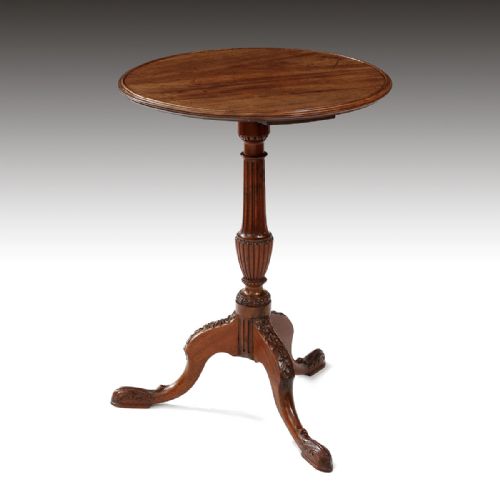
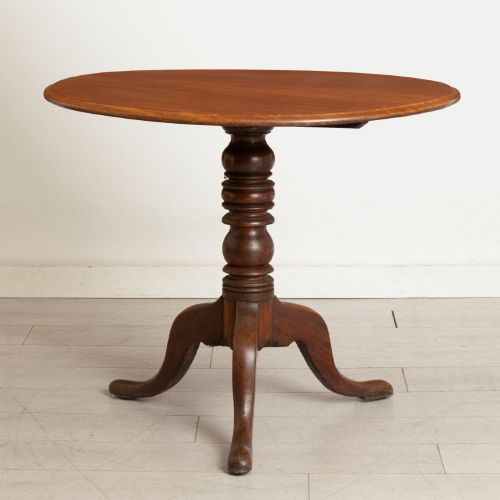
Circular Pedestal Wine Table
A circular pedestal wine table brings centuries of British proportion and craftsmanship to a corner of any room.
Circular Pedestal Wine Table
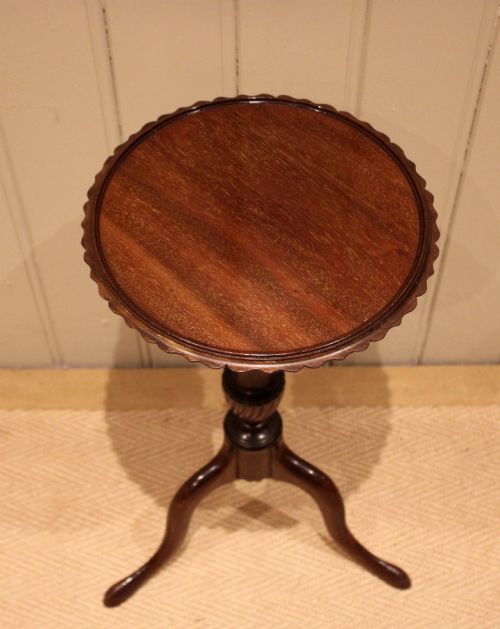
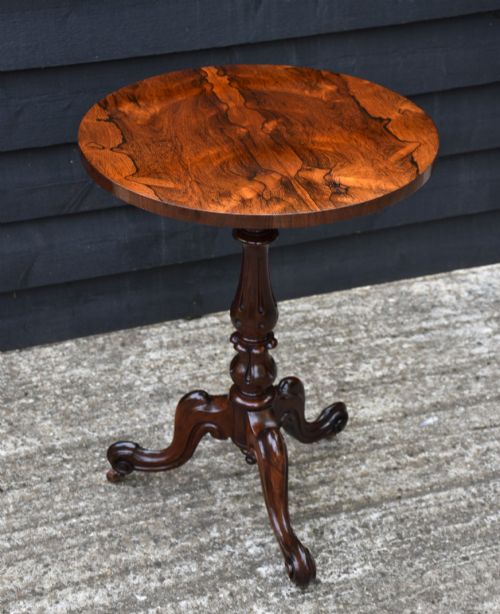
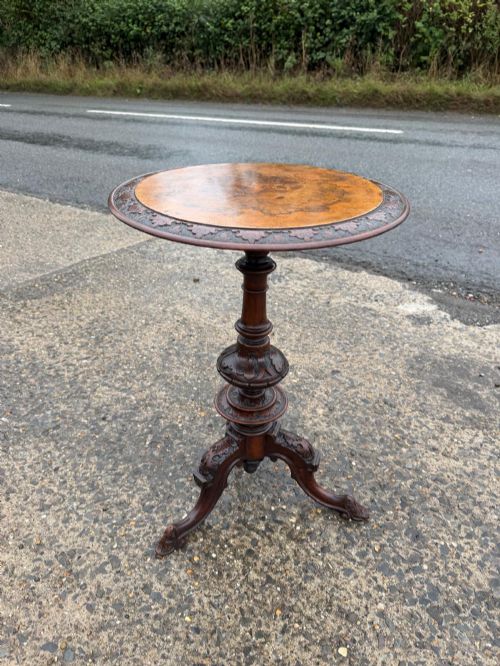
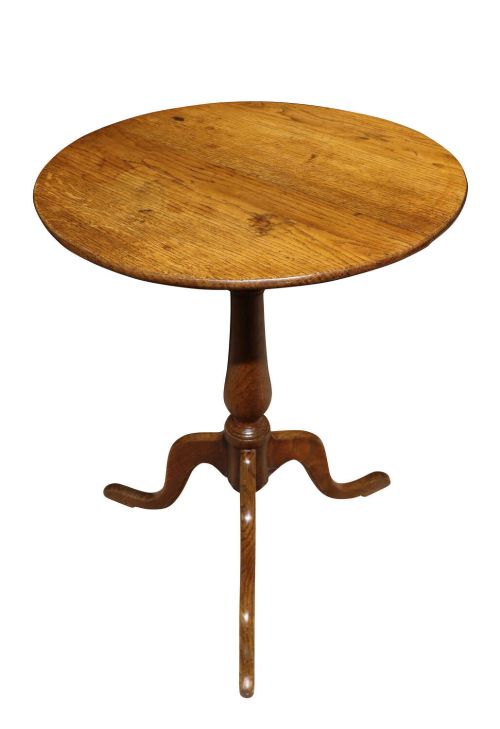
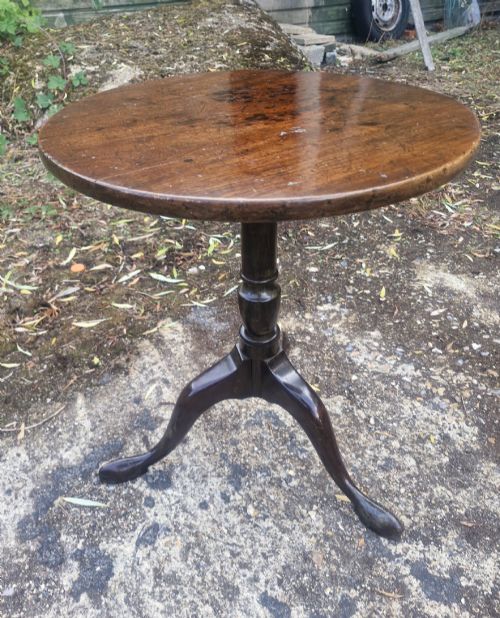
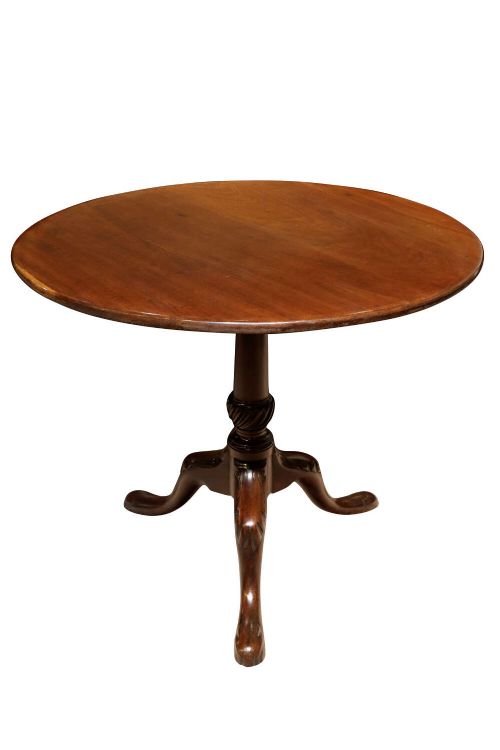
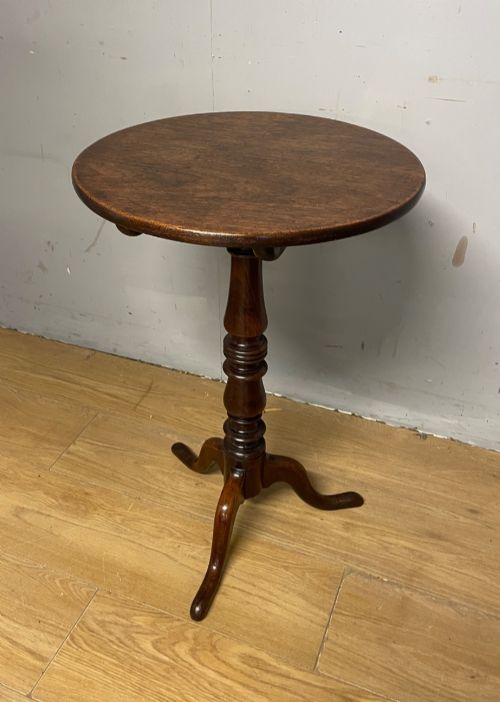
A circular pedestal wine table is a small, portable piece designed to hold glasses or bottles near a chair, sitting atop a central pillar and a three-legged tripod base. When you search for this phrase, you enter a field populated chiefly by 18th century, Georgian, Regency and Victorian pieces alongside later revivals.
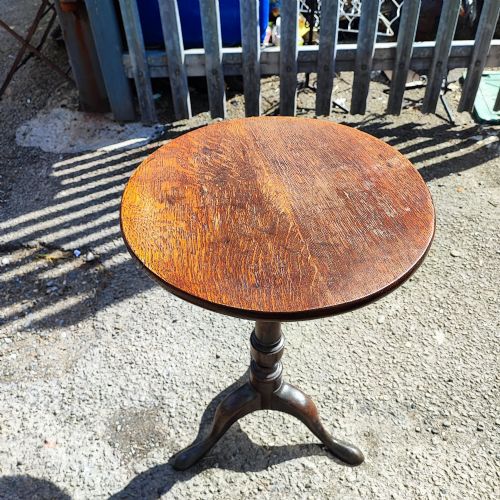
Most pieces you meet here are fashioned from dense timbers like mahogany, walnut, oak or rosewood, though occasional examples incorporate brass, marble or paint. They appear under various historical labels including occasional tables, lamp tables, tripod tables and occasional tea supper tables.
How they were made
Cabinet makers constructed these tables using dense hardwoods, predominantly mahogany and walnut, selected for structural strength and rich grain patterns. Timber selection determined how well the circular top resisted warping over decades of changing household temperatures.
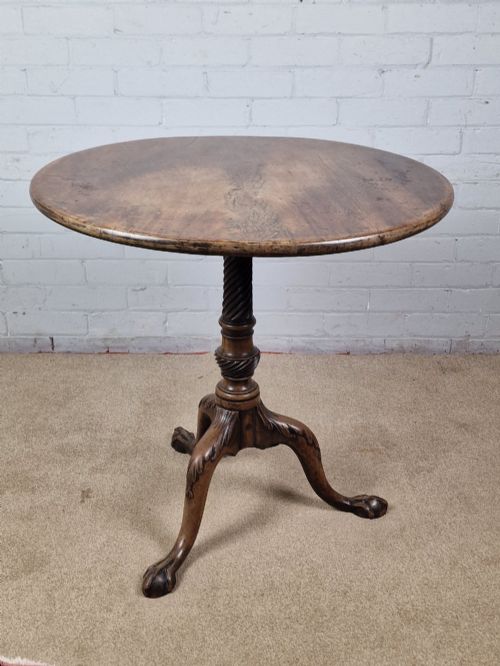
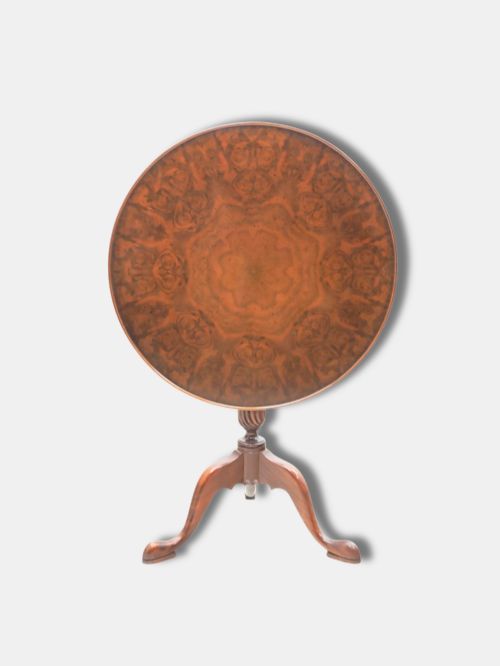
Joinery combined precision turning on a lathe for the central pedestal with dovetail or tenon joints connecting the legs to the pillar block. Many tops incorporated a birdcage mechanism or a tilting catch, requiring fine metalwork hinges and pivots to allow the surface to pivot smoothly.
Listings span from the 18th century through the Georgian, Regency, and Victorian eras into early 20th century revivals.
What varies in quality
Quality rests in the weight of the timber and the crispness of the turned column, where sharper mouldings and balanced proportions distinguish finer workshops from standard production. The balance of the tripod base dictates whether a table stands firmly without rock.
Finer surfaces display carefully matched wood veneers, such as burr walnut or figured mahogany, finished with hand-rubbed polishes that enhance natural grain movement rather than masking the timber beneath.
Gillow
The Circular Pedestal Wine Table Glossary
- Tilt top
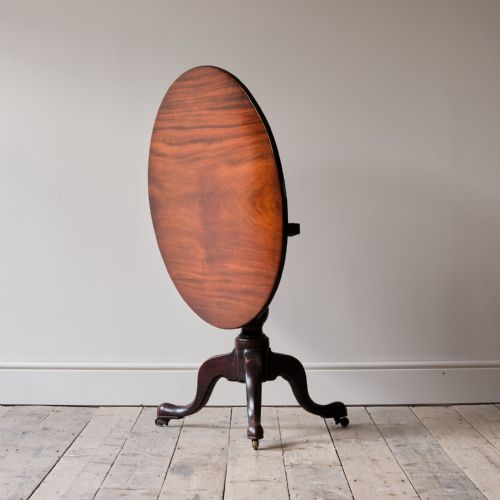
- A table construction where the circular surface pivots on a horizontal hinge, allowing the top to fold flat against the pedestal for compact storage. This clever mechanism was standard for pieces cleared away after evening dining.
- Tripod base
- A supporting structure composed of three curved legs radiating from a central turned pillar. This design ensures the table remains steady on older, uneven floorboards without wobbling.
- Snap top
- A spring-loaded catch or brass latch that locks a tilting table top securely into the horizontal position when in use. It prevents the surface from tipping unexpectedly under the weight of a glass.
- Birdcage
- A revolving wooden framework beneath the table top that connects the surface to the central pillar and permits both rotation and tilting. Found on better Georgian examples, this complex joinery adds smooth mobility to the design.
Circular Pedestal Wine Table: Frequently Asked Questions
What were wine tables used for?
These small tables were originally moved close to seating areas during evening gatherings to hold decanters, glasses or tea wares within easy reach of guests. Their compact footprints made them easy to reposition around a room as company shifted.
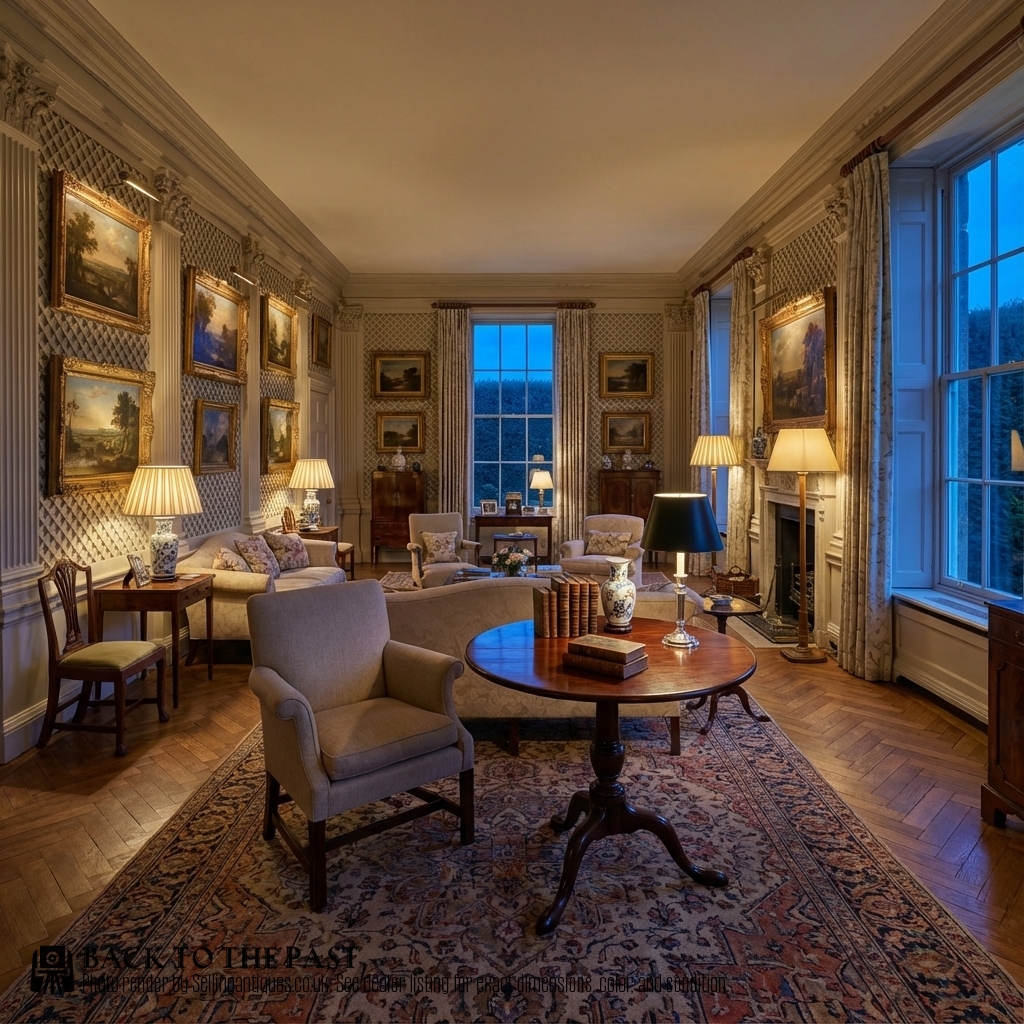
Over time, owners adapted them to hold lamps, books or decorative objects in parlours and drawing rooms. Today, they serve the exact same purpose in modern living spaces as versatile accent surfaces.
How do I tell a Georgian table from a Victorian one?
Georgian examples, dating through the 18th and early 19th centuries, generally display simpler, more restrained carvings and lighter proportions. Woods like early mahogany and oak show a drier, warmer patina developed over longer periods of age.
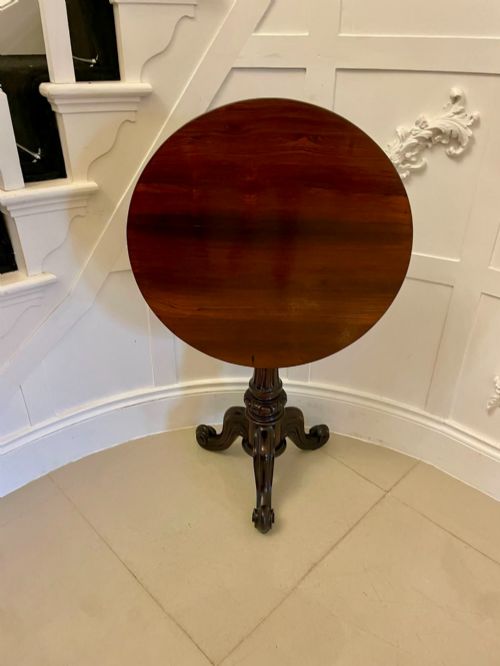
Victorian pieces from the mid to late 19th century often feature heavier turning, darker finishes, and more elaborate decorative elements such as burr walnut veneers or scalloped edges. Revival pieces from the early 20th century frequently copy these earlier styles closely.
Why do some tops tilt?
The tilting mechanism was designed to save floor space in crowded 18th and 19th century homes when the tables were not actively holding drinks or meals. Servants could unlatch the top and fold it vertically against the wall.
This feature also protected the polished wooden surface from accidental damage when the room was cleared. Today, a working tilt mechanism remains a mark of traditional craftsmanship.
How do I live with a antique wine table?
Place the table where its small footprint can support a lamp or a single book without crowding the room. Keep polished timber surfaces away from direct sunlight and radiators to prevent the wood from drying out.
Use coasters under wet glasses to protect traditional wax or french polish finishes. Regular dusting with a soft cloth maintains the natural lustre of the aged timber.