




Circular Brass Timepiece
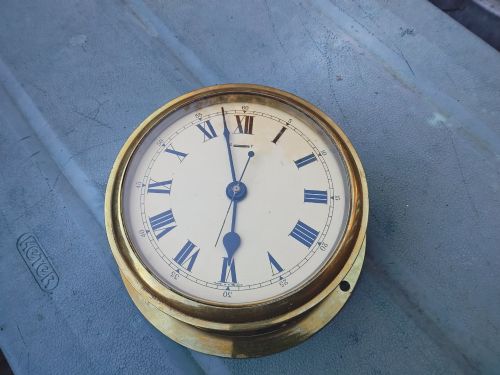
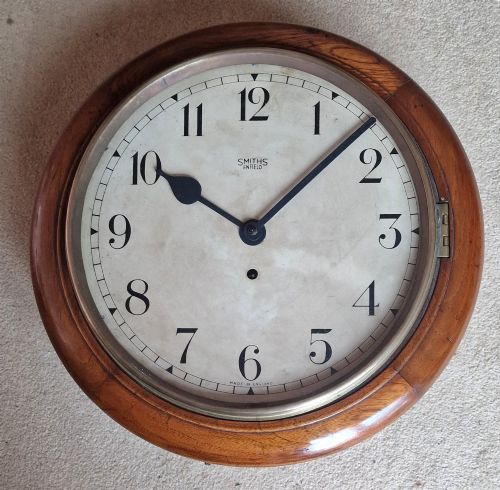
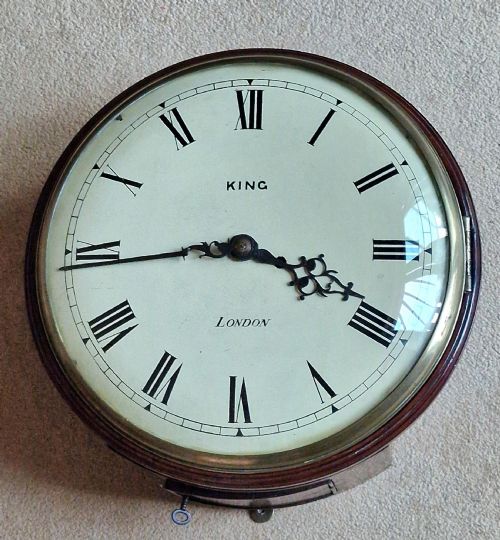
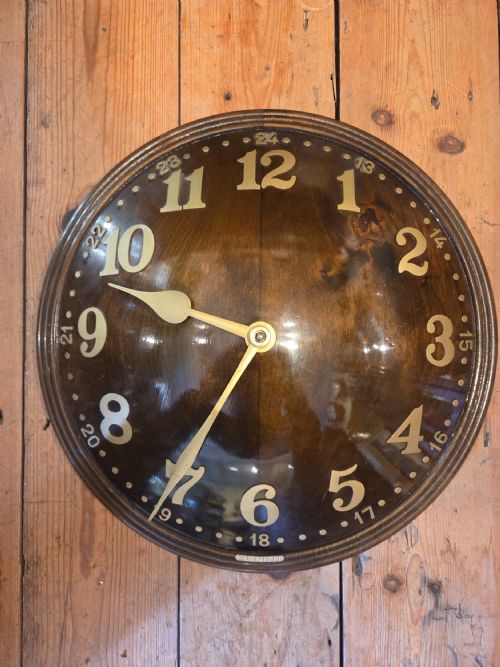
A circular brass timepiece is a mechanical or electric clock designed to mount on a wall or sit on a mantel, prized for its functional clarity and tactile metal bezel.
Circular Brass Timepiece
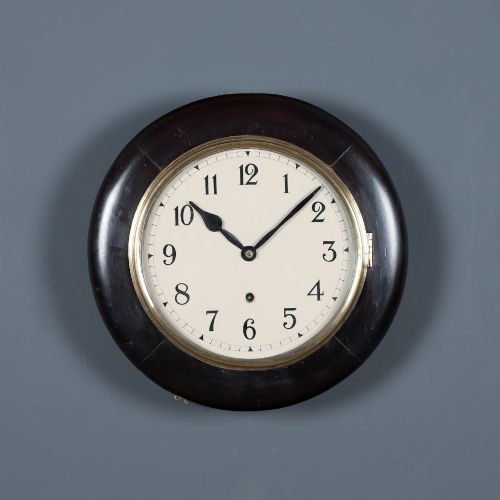
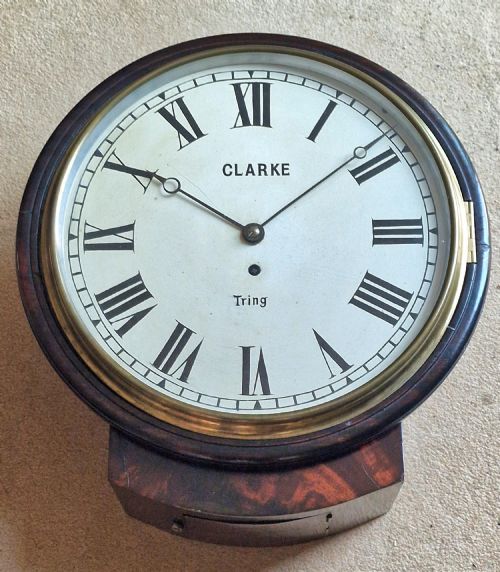
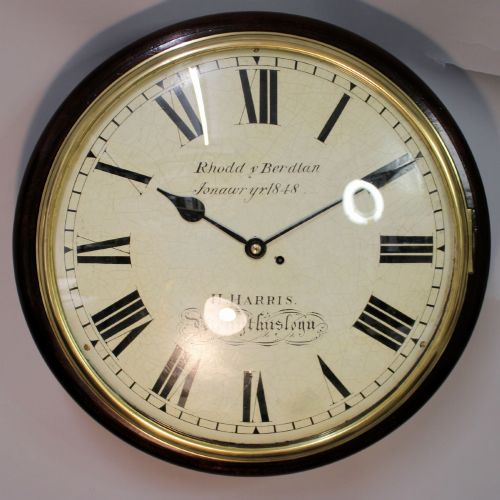
A circular brass timepiece takes several distinct forms, most commonly appearing as dial wall clocks, station clocks, railway clocks, and occasional mantel clocks. You will frequently encounter wall-mounted pieces housed in wooden surrounds with prominent brass bezels, or utilitarian bulkhead designs stemming from military and transport contexts.
The selection ranges from Georgian fusee movements and Victorian railway pieces to Art Deco and mid-century examples by makers such as Smith, Zenith, and FW Elliott. These clocks originated as essential timekeeping instruments for public spaces, offices, and transport networks before transitioning into domestic interiors.
Materials and construction methods
These pieces rely on brass for bezels, fittings, and internal movements, paired with robust timber cases fashioned from mahogany and walnut. Dial faces utilise painted metal, glass, and paper or enamel coatings to ensure legibility across school rooms, stations, and offices.
Construction techniques combine traditional cabinetmaking for the circular wooden surrounds with precision engineering for fusee, electric, or standard mechanical movements. Heavy cast brass frames and bolted bezels secure the glass dial covers, protecting the delicate hands and numerals within.
Circular Brass Timepiece Retail Price Guide 2026
Typical asking prices for circular brass timepiece among the pieces listed under this phrase on Sellingantiques today, from the lower quarter to the upper quarter. They describe what is for sale here now, not the wider market.
Many station clocks spent decades enduring railway soot and slamming doors, yet still tick on with cheerful defiance.
Distinctions in quality and execution
Quality separates mass-produced utility pieces from precision instruments by noted makers through the refinement of the movement and the weight of the metalwork. A finely turned heavy brass bezel and a robust chain fusee movement indicate superior workshop standards compared to standard spring-driven alternatives.
The integrity of the dial face, the crispness of the maker's signature, and the matching timber grain of the mahogany or walnut case further elevate a piece. Original components and unpolished patination on the brass indicate a well-preserved survivor.
FW Elliott·Smiths·Zenith·Henry Harris·Dent of London·Anglo Swiss Watch Co
The Circular Brass Timepiece Glossary
- Fusee
- A conical pulley used in older clocks to maintain even power as the mainspring unwinds. This mechanism ensures consistent timekeeping across the duration of the run.
- Bezel
- The metal rim, often hinged and made of brass, that holds the protective glass over the clock face. It allows access to the hands for winding and setting.
- Bulkhead clock
- A heavy-duty timepiece designed to bolt directly to the wall of a ship or military installation. These units are built to withstand dampness and vibration.
- Dial clock
- A wall clock dominated by a large, clear face with minimal wooden surround. They were standard in railway stations, schools, and offices.
- Timepiece
- A clock that tells the time without incorporating a striking mechanism or chiming train. These simpler movements focus purely on accurate tracking.
Circular Brass Timepiece: Frequently Asked Questions
How do I wind a fusee wall clock?
Open the side door or lift the brass bezel to access the dial and locate the winding square on the face. Insert the key and turn it gently until resistance stops the movement.
Take care not to overwind the mechanism, as this can strain the chain and spring. Most eight-day movements require attention roughly once a week at a consistent time.
Where should I hang a heavy dial clock?
Mount the clock directly into a wall stud or use appropriate heavy-duty masonry fixings to support the combined weight of the timber case and brass bezel. Ensure the position is away from direct heat sources and damp environments.
Level the clock carefully on the wall so the pendulum or escapement beats in an even rhythm. A tilted case can cause the movement to stop.
How can I tell a railway clock from an office clock?
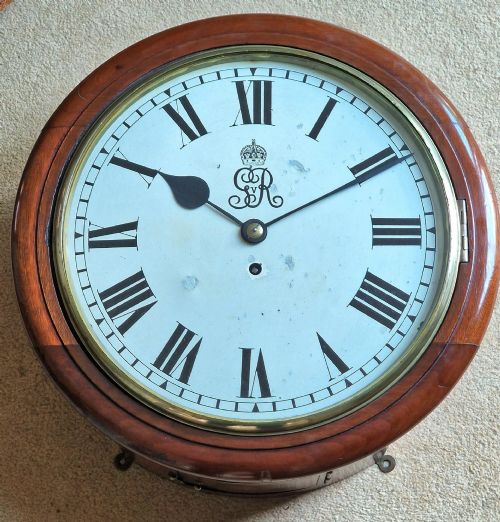
Railway and station clocks often bear company ciphers, such as GWR or LMS, painted on the dial or stamped into the wooden case. They were built for high visibility and robust daily service in public transport hubs.
Office and school clocks typically feature simpler dials without transport lettering, though their proportions and fusee movements remain similar. Both types served utilitarian purposes rather than domestic decoration.
What maintenance do these brass bezels need?
Clean the brass bezels infrequently with a soft, dry cloth to remove dust without stripping the natural historic patination. Avoid harsh chemical polishes that can seep into the wooden case or damage the surrounding painted dial.
Keep the glass clean with standard window cleaner applied to a cloth rather than sprayed directly onto the clock. This prevents moisture from reaching the movement behind the dial.