







Vintage Military Clock
A vintage military clock brings crisp, purposeful timekeeping into a room, stripped of excess ornament and built strictly for duty.
Vintage Military Clock
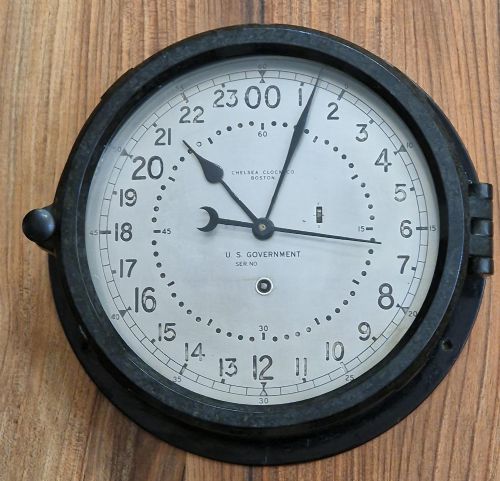
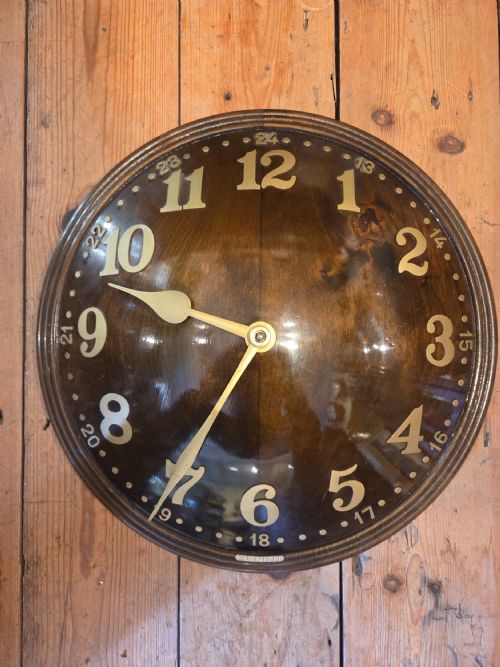
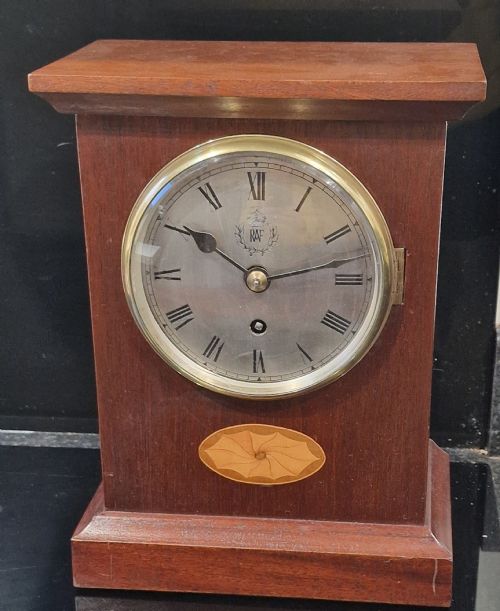
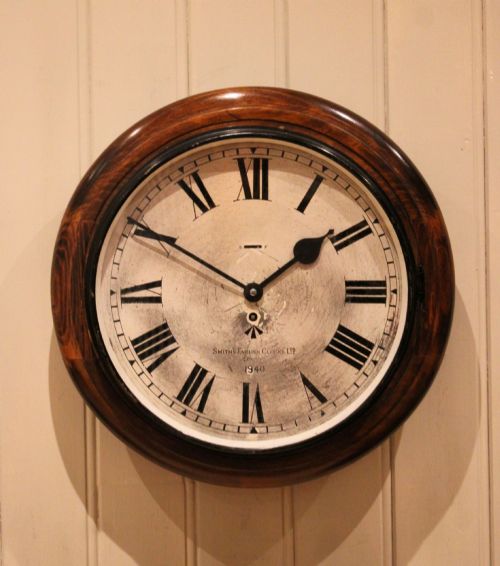
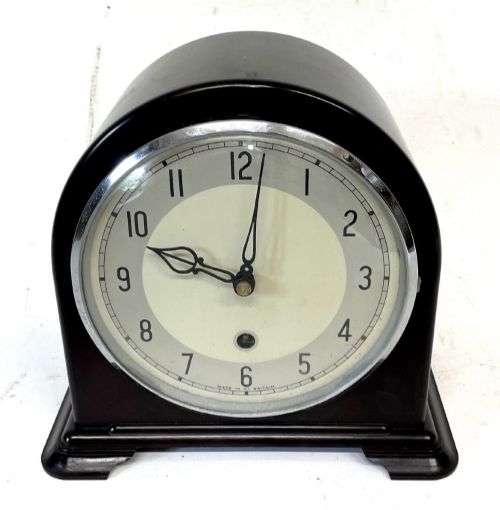
When you search for a vintage military clock, you encounter precision instruments originally issued for service in messes, aircraft, vehicles and offices. These pieces range from First World War cockpit watches and lorry clocks to interwar wall dials and mid-century station pieces. The examples most frequently met on this page belong to the 1940s wartime period, featuring clear dials and robust construction.
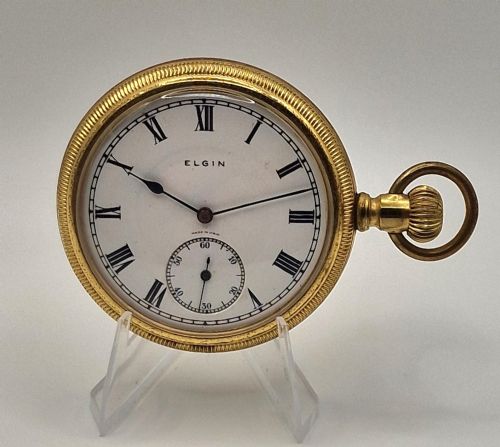
Forms vary from large wall dials designed for quick legibility to smaller mantel clocks and pocket watches intended for personal or mess use. Styles span early twentieth-century designs, Art Deco and interwar military pieces, and mid-century utility issues. Materials reflect utility and durability, utilising brass, oak, mahogany, steel and bakelite alongside plain glass covers.
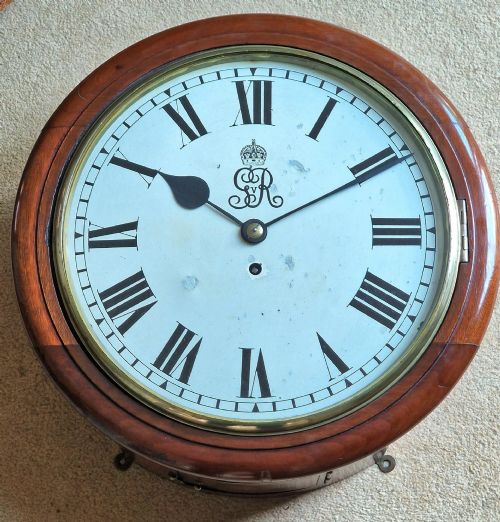
Many items carry broad arrow markings or specific service designations relating to the Royal Air Force and other branches. Whether securing a wall-mounted dial or a desk clock, collectors acquire objects shaped by strict government specifications and utilitarian needs. These clocks offer an austere aesthetic that contrasts sharply with domestic timepieces of the same eras.
Materials and construction
Cases utilise solid timbers such as mahogany and oak, alongside spun brass, heavy steel, chromium and moulded bakelite or white plastic. Wall dials often feature glazed timber surrounds enclosing painted enamel or paper-faced metal dials designed for high visibility. Movement housings prioritise mechanical protection against dust, vibration and damp conditions.
The mechanisms rely on eight-day movements, fusee movements and lever platforms built for sustained accuracy under demanding conditions. Makers employed robust plates and durable gear trains that endure decades of regular winding and adjustment. Exterior metal components frequently received anti-corrosive finishes or simple polished bezels suited to service environments.
Vintage Military Clock Retail Price Guide 2026
Typical asking prices for vintage military clock among the pieces listed under this phrase on Sellingantiques today, from the lower quarter to the upper quarter. They describe what is for sale here now, not the wider market.
Some clocks spent their working lives bolted inside the noisy dash of a lorry or the cramped cockpit of a biplane.
Markers of distinction
Quality rests primarily in the originality of the dial, the crispness of government issue stamps and the integrity of the movement. Higher quality pieces retain their original cases, matching hands and verified maker signatures on the dial or backplate. Surviving documentation or clear issue numbers enhance the historical weight of a piece.
Condition involves the preservation of painted numerals, the absence of heavy timber warping and the smooth operation of the mechanical movement. Pieces that retain their specific wartime departmental markings without later modifications command greater interest from specialists. The balance between utilitarian survival and careful maintenance dictates the standing of an item.
Elgin·F W Elliott·Elliott Brothers·S Smith & Son Ltd·Smiths
The Vintage Military Clock Glossary
- Broad Arrow
- A government property mark used in Britain to denote items belonging to the Crown. This symbol appears stamped on dials, movements and cases of service timepieces.
- Fusee Clock
- A clock mechanism utilising a cone-shaped pulley to equalise the driving force of the mainspring as it unwinds. This system ensures consistent timekeeping throughout the duration of the winding cycle.
- Dial Clock
- A wall-mounted timepiece featuring a prominent circular face and a short drop case or rear box housing the movement. They were standard issue for offices, railway stations and military messes.
- Cockpit Watch
- A specialised timepiece designed to mount onto the instrument panel of an aircraft. These portable watches required shock-resistant mountings and high legibility in low light.
Vintage Military Clock: Frequently Asked Questions
What periods do these clocks cover?
The inventory spans the early twentieth century through the mid-century decades, encompassing the First World War, the interwar period and the Second World War. Later pieces extend past the nineteen-sixties.
Most items date from the nineteen-forties wartime era, reflecting increased government production of mess and wall dials during that decade.
How do I identify military issue pieces?
Authentic service pieces frequently display the broad arrow mark stamped onto the dial, case or movement. Government contracts often specified particular dial layouts and department lettering.
Inscribed issue numbers and maker details on the dial or movement backplate further confirm official military provenance.
Were these clocks used in aircraft?
Certain specialised items, such as cockpit watches, were engineered specifically for aircraft use and fitted to instrument panels. Other timepieces served within officers' messes, barracks and administrative offices on the ground.
Wall dials typically hung in communication rooms and mess halls, while pocket watches served mobile personnel.
What timber cases are most common?
Oak and mahogany appear frequently in wall dials and bracket clocks from the early and mid-twentieth century. These sturdy woods protected delicate movements from harsh environmental conditions.
Later production shifted towards metal, bakelite and plastic casings as manufacturing methods modernised.
Do these clocks use standard movements?
Many house robust eight-day movements or fusee mechanisms designed for extended running between windings. These movements prioritised reliability and ease of repair over delicate domestic complications.
Specialist cockpit and vehicle watches utilised compact lever platforms to withstand motion and vibration.