
Chippendale Mahogany Bureau
These pieces combine solid mahogany and intelligent storage, offering a practical workspace shaped by eighteenth-century cabinet-making traditions.
Chippendale Mahogany Bureau
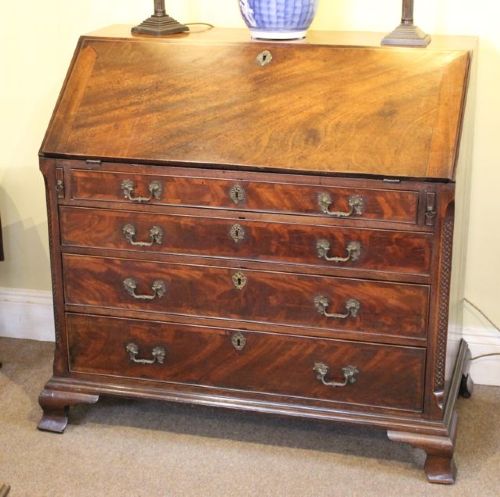
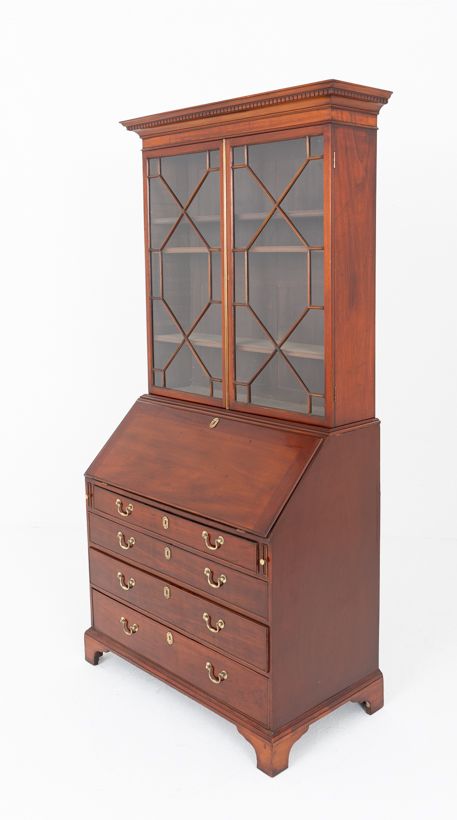
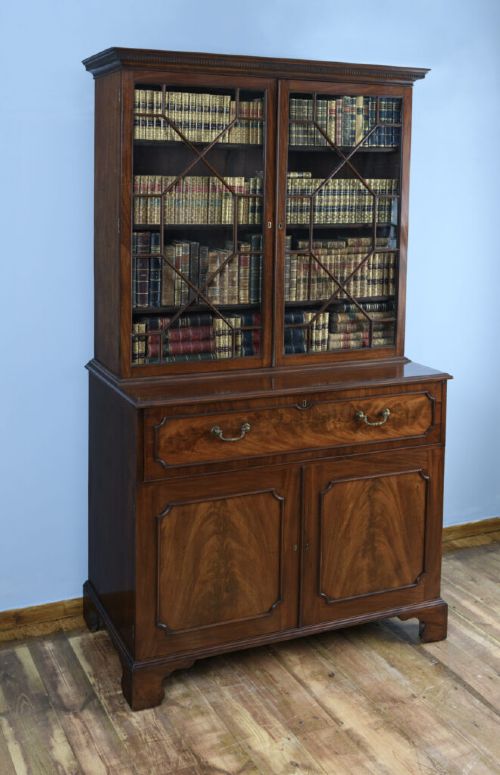
A chippendale mahogany bureau functions primarily as a writing desk that conceals compartments behind a sloping fall-front flap, alongside related writing furniture such as bureau bookcases and secretaire desks.
The objects found here span the eighteenth century and subsequent revival periods, encompassing Georgian pieces alongside later Chippendale Revival interpretations.
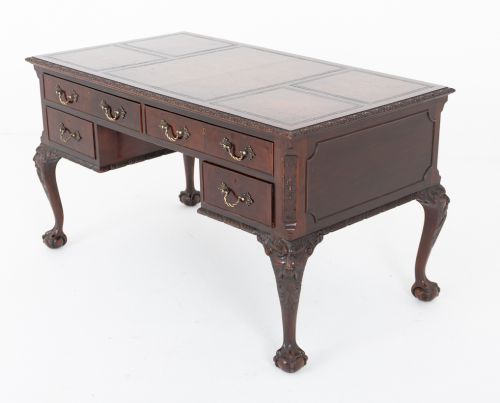
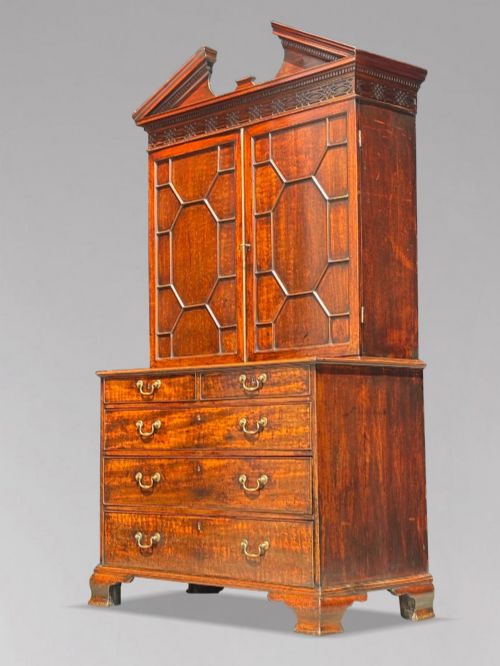
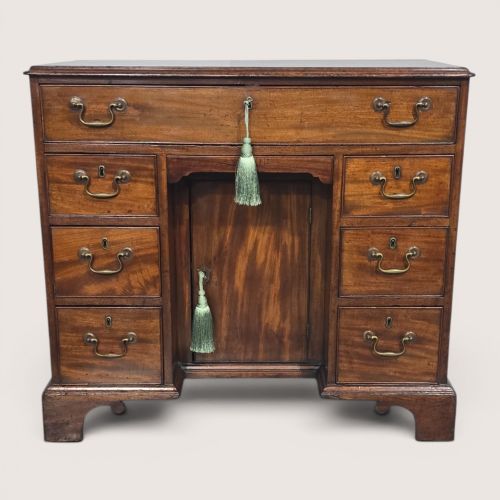
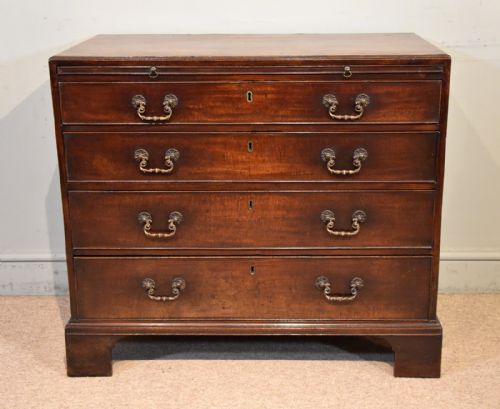
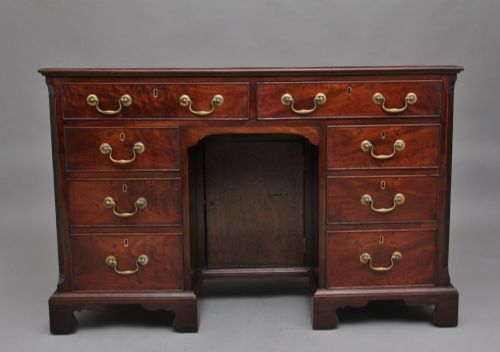
Buyers encounter varied configurations ranging from compact writing desks to tall bureau bookcases and kneehole library desks.
Materials and construction methods
Makers utilised dense mahogany timber, sometimes displaying notable grain figure, supplemented by secondary woods like oak and pine for internal drawer linings.
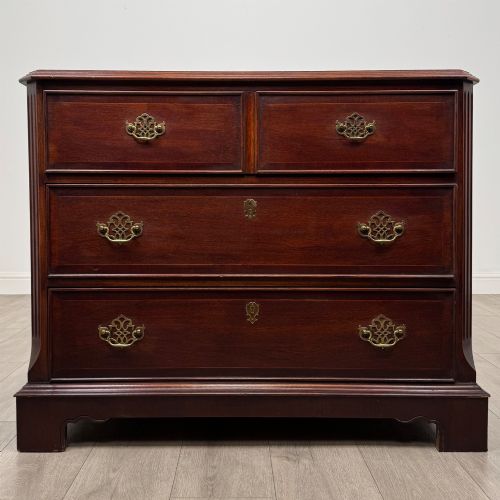
Hardware consists of brass handles and escutcheons, occasionally paired with leather writing inserts or marquetry inlay.
Structural joinery relies on traditional dovetailing for drawers and robust framing to support heavy bureau bookcases and writing cabinets.
Listings span the eighteenth century, Georgian era, and subsequent revival periods up to the twentieth century.
Distinctions in craftsmanship and material
Quality rests on the selection of timber, where rich grain figure and consistent colour elevate a piece above standard stock.
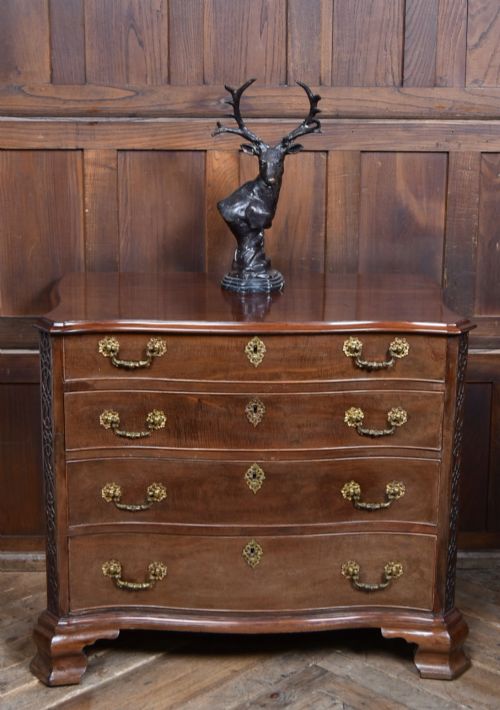
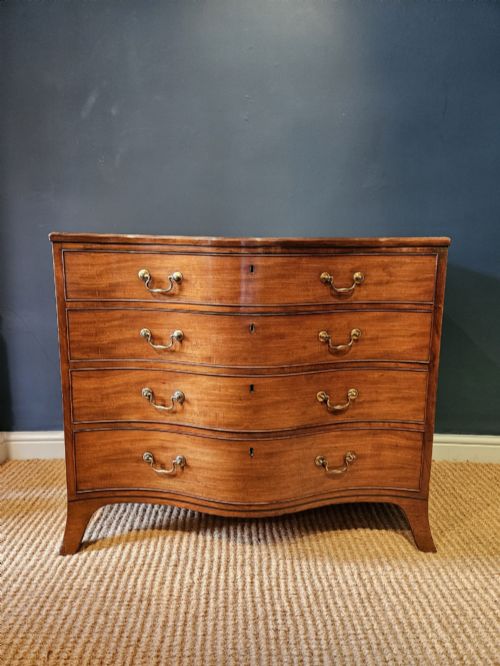
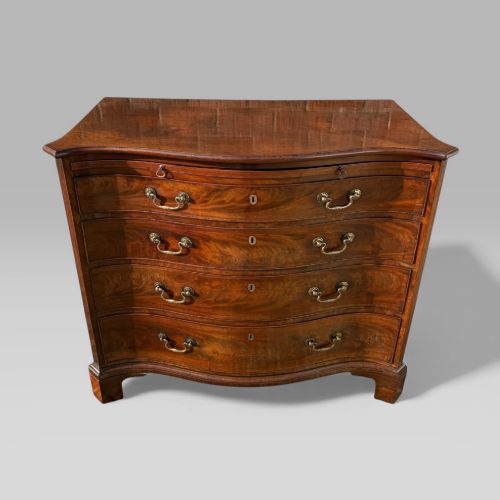
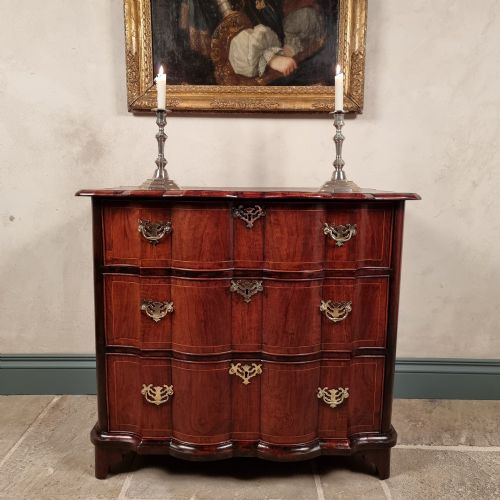
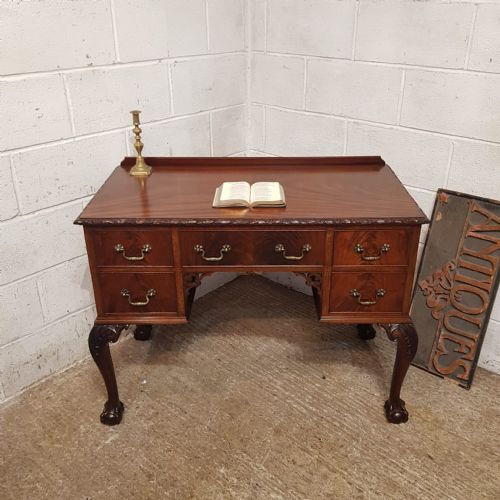
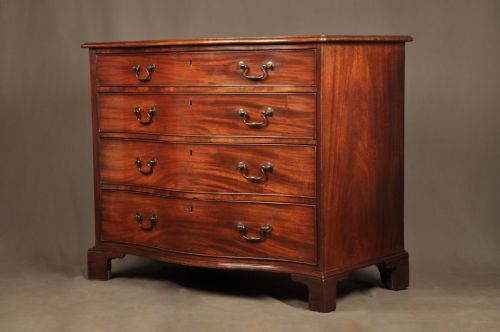
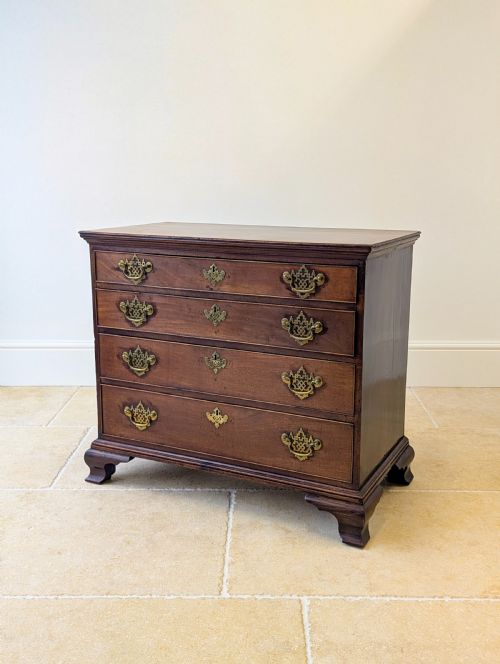
The refinement of carved details, such as ball and claw feet or serpentine drawer fronts, marks the division between ambitious cabinet-work and simpler production.
Original brass hardware and intact internal fittings preserve the integrity of a bureau in ways that later replacements diminish.
Thomas Chippendale·Gillows
The Chippendale Mahogany Bureau Glossary
- Bureau
- A desk featuring a sloping lid that opens to reveal pigeonholes and small drawers. This form provides a concealed writing surface that folds shut when not in use.
- Secretaire
- A cabinet or chest incorporating a fitted writing drawer or pull-down front. It merges storage with a functional writing space.
- Serpentine
- A curved furniture front characterised by a convex centre flanked by concave ends. This shaping requires skilled timber reduction.
- Kneehole desk
- A freestanding desk featuring a central recess for the user's legs, flanked by pedestals of small drawers. These provide organised storage beneath the main writing surface.
- Marquetry
- Decorative veneer patterns assembled from various woods to form pictorial or geometric designs. Craftsmen apply these thin layers to external surfaces for visual contrast.
Chippendale Mahogany Bureau: Frequently Asked Questions
What is a chippendale mahogany bureau?
A chippendale mahogany bureau is a writing desk featuring a fall-front flap that conceals internal compartments, constructed from mahogany during the eighteenth century or later revival periods.
These pieces often include banks of drawers beneath the writing surface and reflect the stylistic vocabulary associated with Thomas Chippendale's workshop designs.
How do you date an antique bureau?
Dating relies on examining construction techniques, timber choices, and hardware styles across the piece. Dovetailing methods and secondary woods like oak provide clues to the period of manufacture.
Georgian examples display period-specific proportions and carving methods, whereas revival pieces from later centuries adopt historical motifs using contemporary tools.
Where were these desks placed?
These desks served primarily in private studies, libraries, and principal reception rooms of large houses. Their dual function as storage units and writing surfaces made them central to household administration.
Freestanding kneehole desks and bureau bookcases often occupied prominent positions where their finished backs and substantial proportions remained visible.
How do you care for mahogany furniture?
Maintenance involves protecting the timber from direct sunlight and fluctuating humidity levels to prevent the wood from drying or splitting. Regular dusting with a soft cloth preserves the polished surface.
Application of appropriate wax helps maintain the lustre of the mahogany without building up heavy residues that obscure the grain.