




Mid 18th Century Desk
A mid 18th century desk is a practical workspace built during the Georgian era, offering functional writing surfaces and concealed drawers that anchor a study with period character.
Mid 18th Century Desk
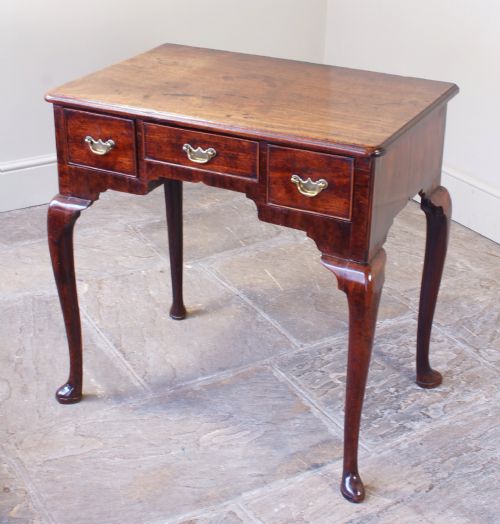
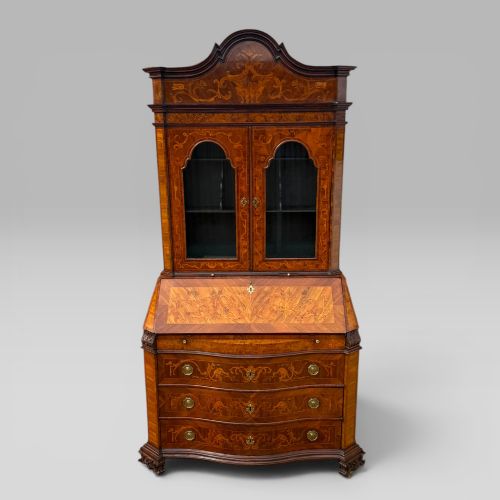
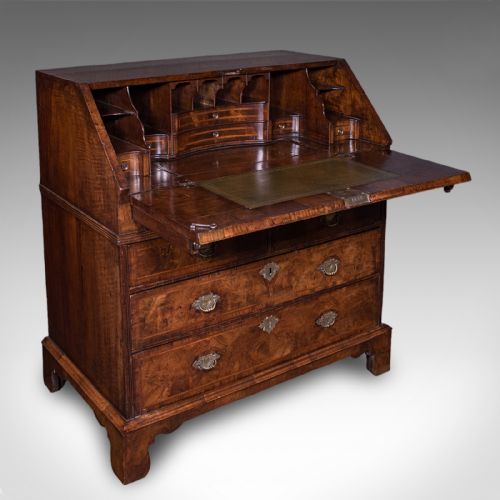
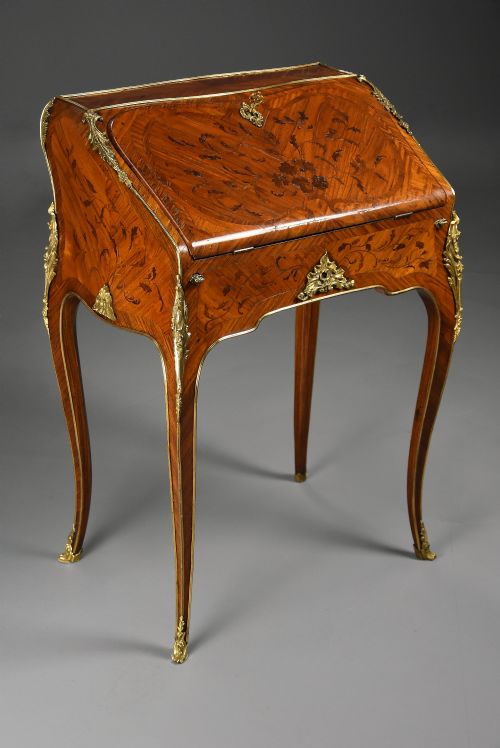
When searching for a mid 18th century desk, buyers encounter forms that range from compact kneehole writing tables to tall bureau bookcases. The selection spans straightforward English oak and mahogany writing pieces alongside continental walnut and marquetry examples.
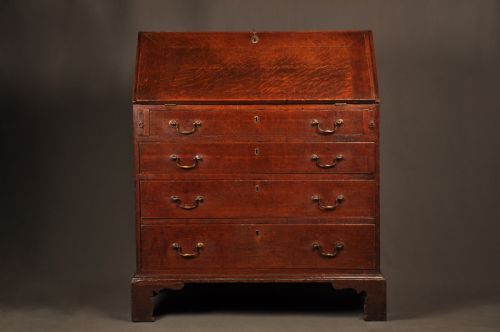
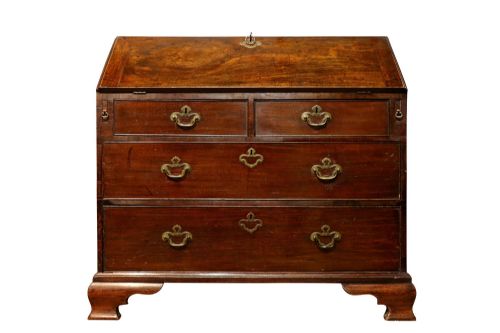
The most common formats on this page are mahogany kneehole desks featuring central recessed cupboards and multiple small drawers. Oak bureaux and fall-front writing cabinets also appear regularly, reflecting domestic workspace requirements of the Georgian period.
Materials and Construction
Cabinetmakers relied heavily on dense timbers such as mahogany, walnut, and oak, often搭配 secondary woods like ash or elm for internal drawer linings. Selected mahogany boards provided stability for flat writing tops, while walnut allowed for decorative marquetry inlay on continental pieces.
Joinery techniques involved precise dovetailing on drawer construction and panel-in-frame assembly for carcases to handle the stresses of daily writing use. Brass drop handles and escutcheons were cast and chased to secure the drawer fronts.
Mid 18th Century Desk Retail Price Guide 2026
Typical asking prices for mid 18th century desk among the pieces listed under this phrase on Sellingantiques today, from the lower quarter to the upper quarter. They describe what is for sale here now, not the wider market.
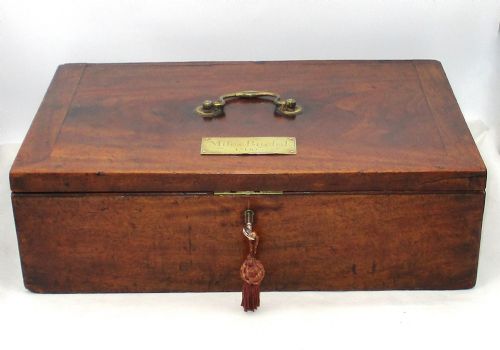
Several writing pieces conceal secret compartments behind internal pigeonholes for hiding private letters.
Assessing Quality and Execution
Quality rests in the selection of timber figure, where well-matched mahogany grain or intricate walnut marquetry elevates a functional writing cabinet into a masterwork of cabinetmaking. The crispness of carved bracket feet and moulded edge details indicates the maker's hand.
Internal arrangement complexity sets finer pieces apart, seen in secret compartments, pigeonhole layouts, and cedar-lined secondary drawers. Original brass hardware and undisturbed patination preserved on the timber surfaces dictate the standing of an individual desk.
BVRB
The Mid 18th Century Desk Glossary
- Kneehole desk
- A compact writing table featuring a central recessed cupboard flanked by vertical banks of small drawers. This format became popular during the Georgian period for domestic studies.
- Bureau bookcase
- A dual-purpose piece combining a sloping fall-front writing desk below with enclosed shelving or cabinet doors above. These tall units provided comprehensive storage for papers and bound volumes.
- Marquetry
- The art of applying decorative veneer pieces in geometric or pictorial patterns onto a carcase structure. Walnut and tulipwood were frequently employed for this detailed surface work.
- Bracket foot
- A structural foot supporting the corners of case furniture, shaped into an ogee or simple mitred profile. This form replaced heavier ball-and-claw styles on many mid-century desks.
- Fall-front
- A hinged writing flap that drops down to horizontal to provide an immediate writing surface. The interior behind this flap typically conceals pigeonholes and small accessory drawers.
Mid 18th Century Desk: Frequently Asked Questions
How do I identify a mid 18th century desk?
Look for characteristic Georgian proportions, solid mahogany or walnut construction, and hand-cut dovetails on the drawer interiors. Bracket feet and traditional brass hardware further anchor the piece securely within the 1750 period.
Examine the secondary woods used inside the drawers, such as oak or pine, which match regional joinery traditions of the mid 1700s. Expert assessment of timber shrinkage and patination confirms authenticity.
Where were these desks placed in homes?
These writing pieces served primarily in private studies, libraries, or withdrawing rooms of wealthy Georgian residences. They provided a dedicated station for correspondence, estate management, and keeping personal accounts.
Compact kneehole formats allowed them to sit comfortably against parlour walls without dominating the room. Larger bureau bookcases stood prominently in libraries to house both working papers and reference books.
How should I care for a walnut desk?
Maintain stable humidity and temperature in the room to prevent the delicate walnut veneers and marquetry inlay from lifting or cracking. Avoid placing the writing table near direct heat sources or strong sunlight.
Apply occasional traditional beeswax polish to nourish the timber and preserve the historic surface shine. Dust gently with a dry, soft cloth rather than using modern chemical sprays.