



Fitted Interior Walnut Bureau
A fitted interior walnut bureau offers hidden compartments and a sloping writing flap in rich timber, combining practical storage with classic craftsmanship.
Fitted Interior Walnut Bureau
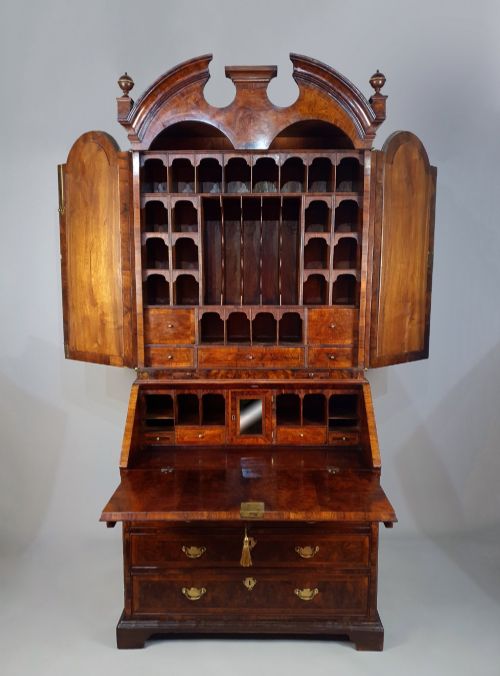
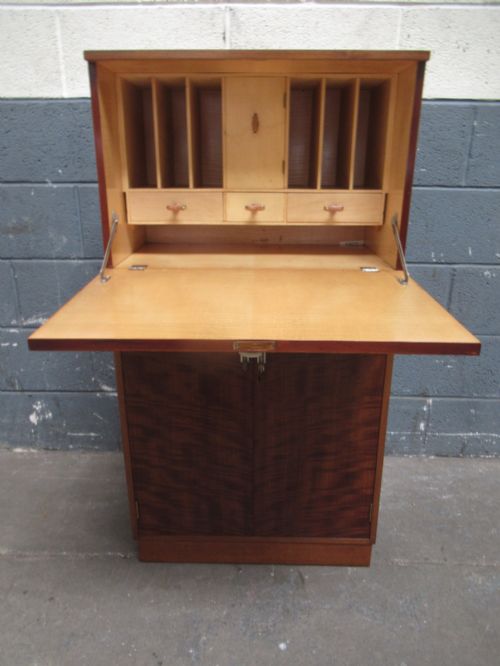
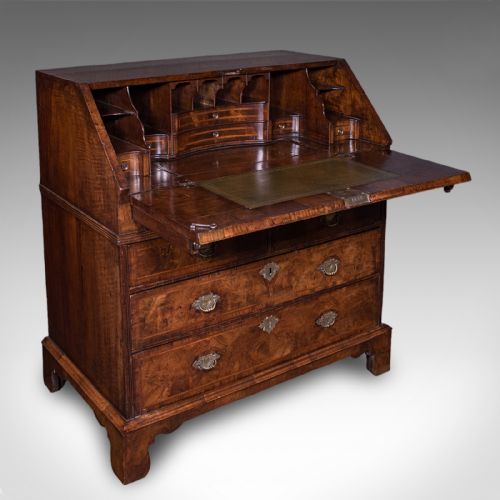
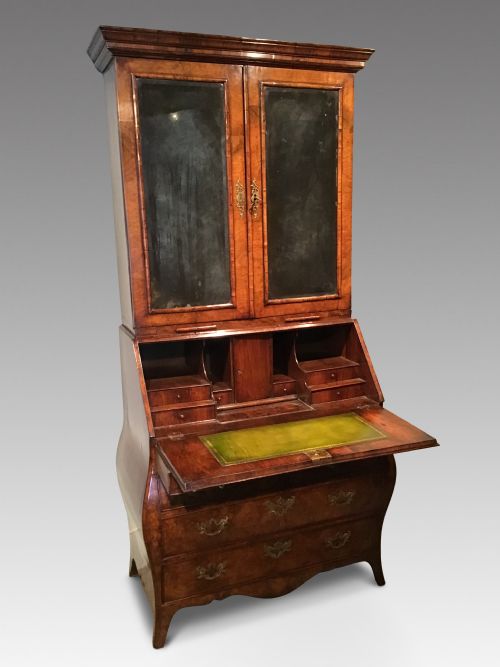
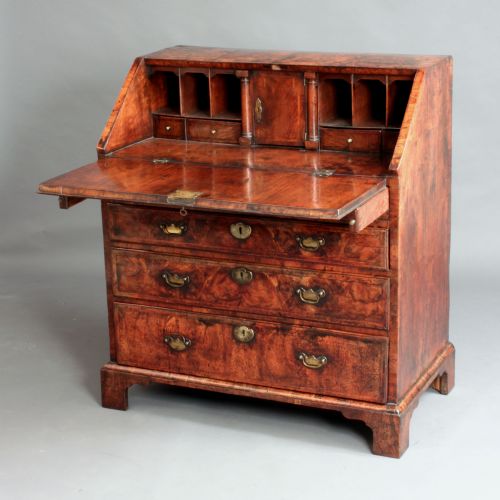
When you search for a fitted interior walnut bureau, you encounter writing furniture designed for correspondence and document storage. These pieces combine a fall-front desk section with internal pigeonholes and small drawers.
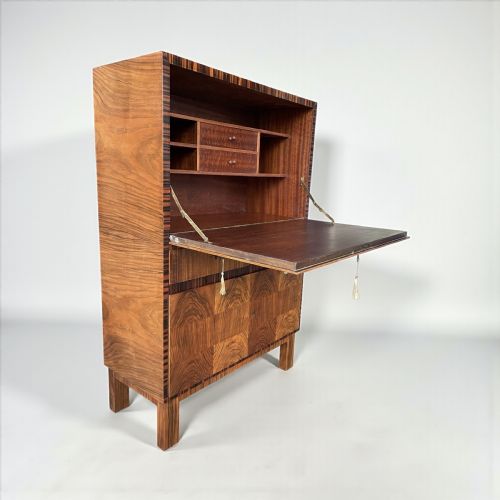
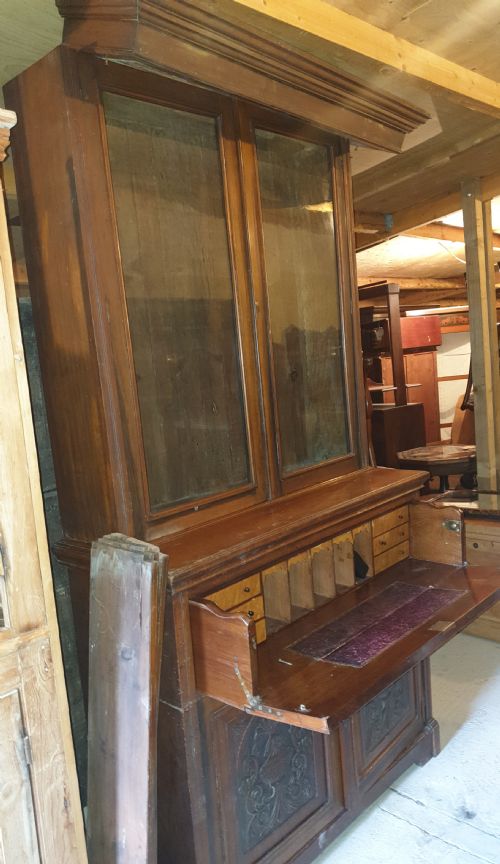
The versions most likely to meet you on this page span the 18th century, the Georgian era, and the 1930 Art Deco period. They appear in forms ranging from compact fall-front desks to tall bureau bookcases and cabinets.
Makers utilised figured walnut, burr walnut, and oak carcases to construct these desks. Many examples incorporate brass hardware, glass panels, and secondary woods like satinwood within their internal compartments.
How these desks were constructed
Cabinet makers built these pieces using solid walnut and figured veneers applied to stable carcases. The exterior surfaces often display the rich grain patterns characteristic of burr walnut timber.
Internal compartments required intricate joinery, creating small drawers and pigeonholes hidden behind the main writing flap. Brass handles, escutcheons, and hinges secured the drawers and doors.
Candle slides pull out beneath the bookcase doors to illuminate the writer without setting fire to the paperwork.
What distinguishes finer examples
The quality of a fitted interior walnut bureau rests on the choice of timber and the precision of the internal joinery. Finer pieces display carefully matched veneer grain across the fall front and drawer fronts.
Early 18th-century and Georgian pieces demonstrate meticulous hand-cut dovetails within the secret drawers and pigeonholes. Later Victorian and Art Deco iterations reflect the prevailing decorative tastes of their respective periods.
Boston Chair Company
The Fitted Interior Walnut Bureau Glossary
- Bureau
- A writing desk featuring a sloping fall-front flap that opens to reveal a fitted interior of small drawers and pigeonholes.
- Fall Front
- The hinged writing flap that drops down to provide a horizontal surface for correspondence. When closed, it conceals the fitted compartments inside.
- Burr Walnut
- A specialised wood cut from the burl growth of a walnut tree, highly prized for its swirling, decorative grain patterns.
- Escritoire
- A writing cabinet or desk used for handling letters, often raised on a stand or built into a larger bookcase structure.
Fitted Interior Walnut Bureau: Frequently Asked Questions
What is a fitted interior walnut bureau?
A fitted interior walnut bureau is a writing desk with a sloping fall front that lowers to reveal small drawers and pigeonholes.
These pieces provide both a writing surface and enclosed storage for papers and valuables.
How were these desks used?
Owners used them for writing letters, managing household accounts, and storing private documents securely behind locked doors.
The internal compartments kept ink, quills, and stationery organised within easy reach.
How do I identify an 18th-century bureau?
Eighteenth-century examples often feature walnut veneers, candle slides, and hand-cut dovetails within the internal drawers.
They appear in forms ranging from simple fall-front desks to large bureau bookcases with glazed or mirrored doors.
How do I care for antique walnut furniture?
Keep walnut furniture away from direct sunlight and radiators to prevent the timber and veneers from drying out.
Apply traditional wax polish sparingly to maintain the natural lustre of the wood surface.