





Chinoiserie Wall Charger Plate
A chinoiserie wall charger plate brings hand-painted scenes and broad diameters to domestic walls, drawing the eye with blue-and-white motifs.
Chinoiserie Wall Charger Plate
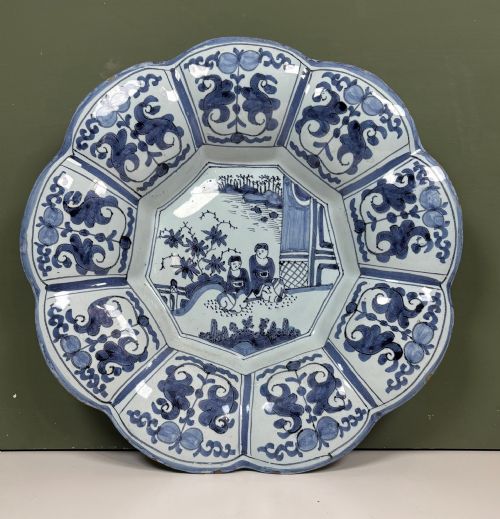
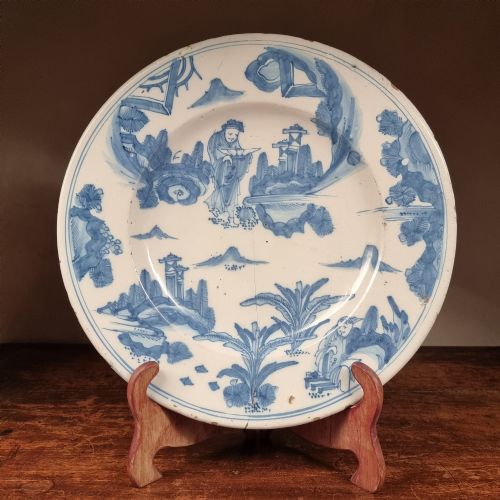
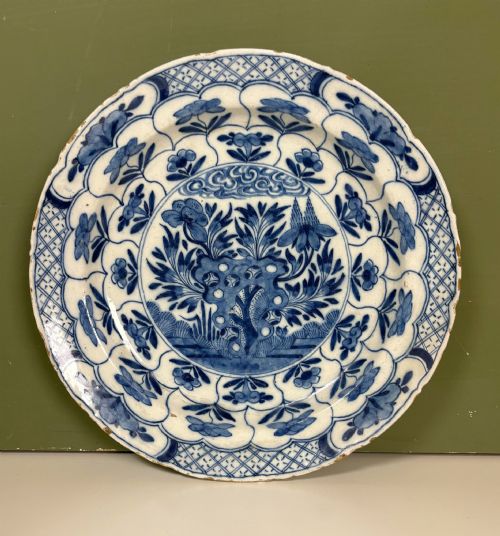
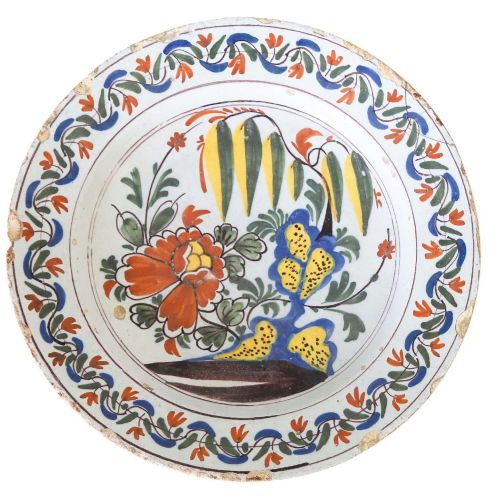
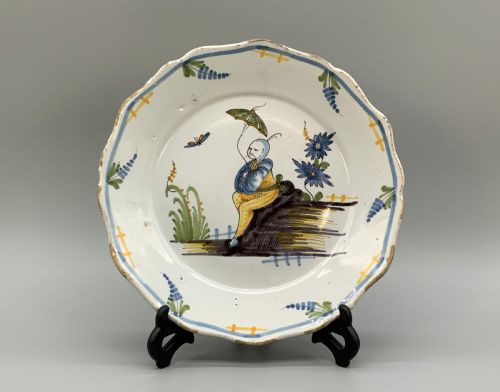
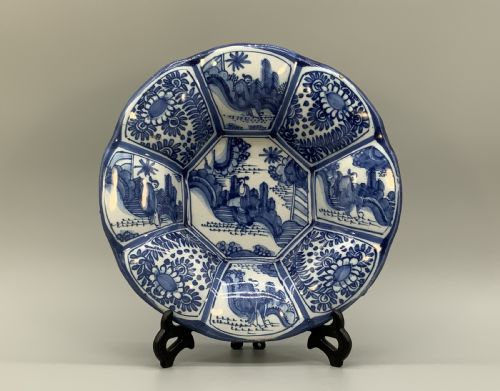
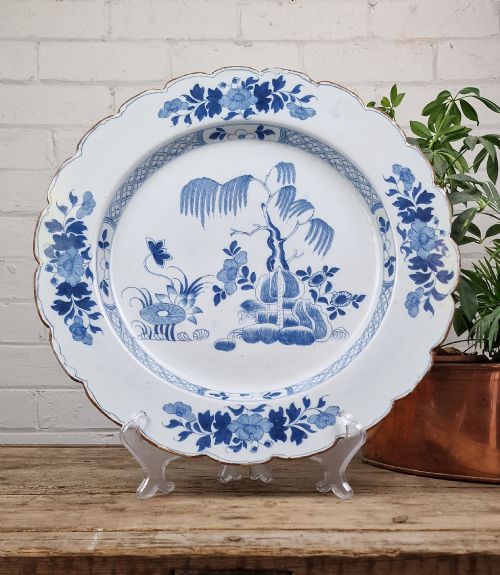
When you search for a chinoiserie wall charger plate, you encounter large circular ceramics designed for display rather than dining. The forms span seventeenth-century delftware through to nineteenth-century ironstone and porcelain, featuring oriental-inspired decoration.
English and continental delftware items dominate the selection, alongside Japanese export porcelain and Staffordshire ironstone. These pieces range from seventeenth-century earthenware to Edwardian production, carrying painted birds, florals, and landscapes.
Materials and construction
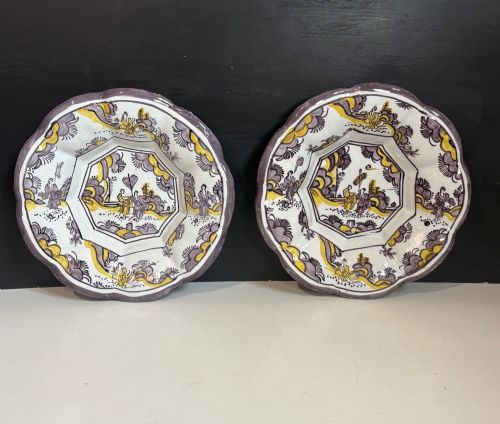
Makers utilised earthenware, tin glaze, and cobalt pigment to achieve the characteristic white surface and blue painted designs. Some examples incorporate polychrome enamels in yellow, manganese, and orange ground variations.
Ironstone and pearlware bodies emerged in later periods, offering increased durability while retaining the large plate format. Hand-painted brushwork defines the surface decoration across both early tin-glazed earthenware and subsequent nineteenth-century wares.
Exotic birds peer from vibrant orange and yellow ground charger plates, proving that nineteenth-century decorators enjoyed turning everyday dining rooms into tropical aviaries.
Factors determining quality
The precision and detail of the hand-painted brushwork separate standard examples from finer works. Controlled cobalt pigment application and crisp execution of oriental motifs indicate superior craftsmanship.
Condition and glaze stability influence the character of each charger. Intact tin glaze without extensive losses preserves the intended visual impact of the original decoration.
Mason·Caughley·Minton
The Chinoiserie Wall Charger Plate Glossary
- Charger
- A large decorative plate intended for wall display or ceremonial service rather than everyday dining. These items provide an expansive surface for pictorial scenes.
- Chinoiserie
- European artistic styles reflecting Chinese motifs and aesthetic traditions. Painters adapted these visual elements onto ceramics.
- Ironstone
- A heavy, durable ceramic body developed in the nineteenth century. This material served as a robust alternative to traditional earthenware.
- Polychrome
- Decoration utilising multiple colours rather than a single pigment. Painters applied various enamel shades alongside cobalt blue.
Chinoiserie Wall Charger Plate: Frequently Asked Questions
How were chinoiserie wall charger plates displayed?
These large plates hung on interior walls to provide focal points within domestic rooms. Their broad diameters allowed painted oriental scenes to be viewed from a distance.
Hardware or wiring secured around the foot rim kept the ceramic safely positioned against plaster surfaces.
What distinguishes delftware from ironstone?
Delftware relies on a porous earthenware body covered with an opaque tin glaze that creates a canvas for cobalt painting. This technique produced soft edges around painted motifs.
Ironstone offers a denser, heavier ceramic composition developed to resist chipping while supporting bright enamels and transfer-printed or hand-painted designs.
How do you identify seventeenth-century pieces?
Early examples display characteristic tin-glaze formulations and stylistic traits associated with seventeenth-century delft production. Pigments often sink slightly into the softer glaze layers.
Forms from this period reflect early European interpretations of imported oriental porcelain styles such as Kraak.
Are these plates intended for dining?
Chargers function primarily as decorative objects rather than tableware. Their large dimensions and historical tin-glazed surfaces suit wall presentation.
Practical use for food service risks damaging the glaze layers and hand-painted pigments accumulated over centuries.