





Chinoiserie Serving Platter
A chinoiserie serving platter brings lively painted scenes of far-off pavilions and pagodas straight to the dining table.
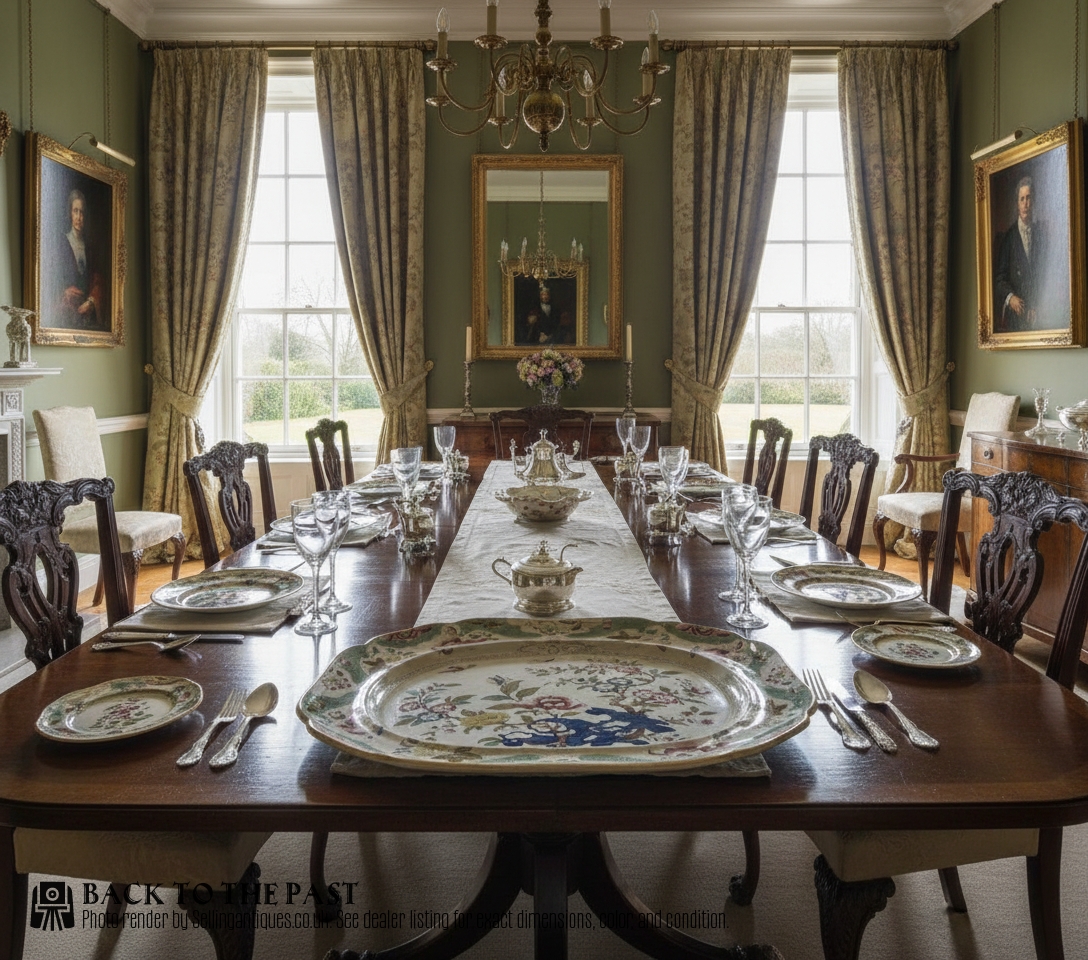
Identifying a chinoiserie serving platter
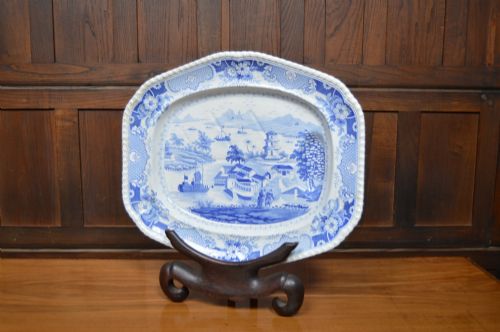
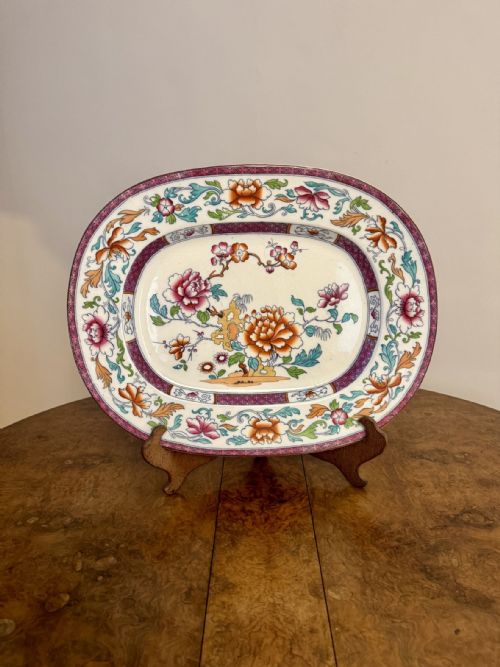
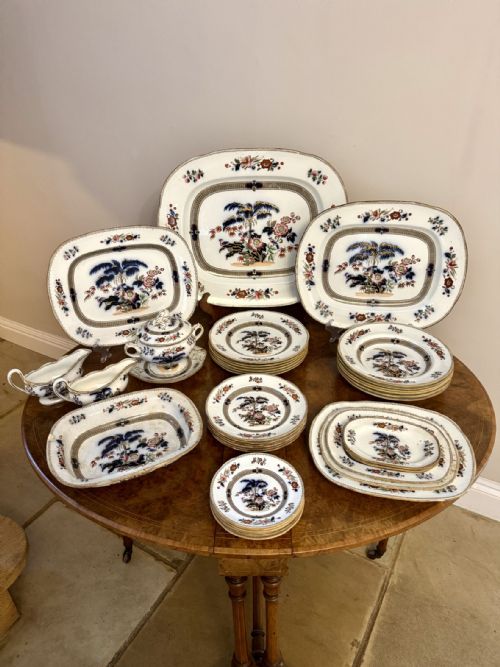
A chinoiserie serving platter draws the eye with fanciful decoration inspired by European interpretations of East Asian art. These large dishes and platters range from substantial meat plates to wide serving trays designed for grand dining.
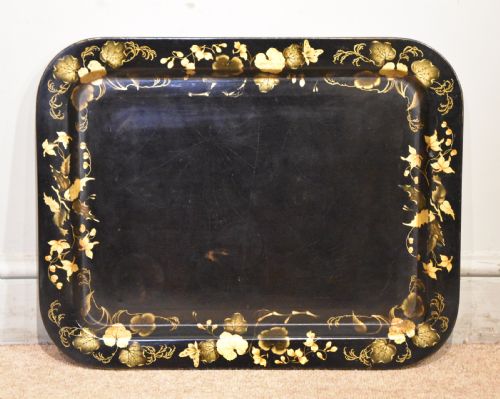
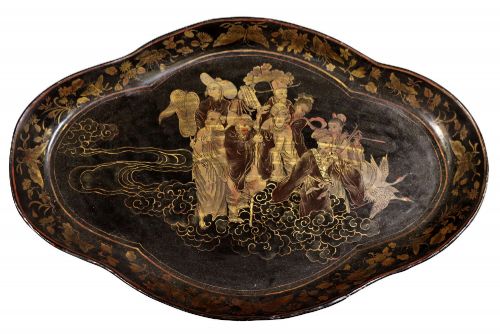
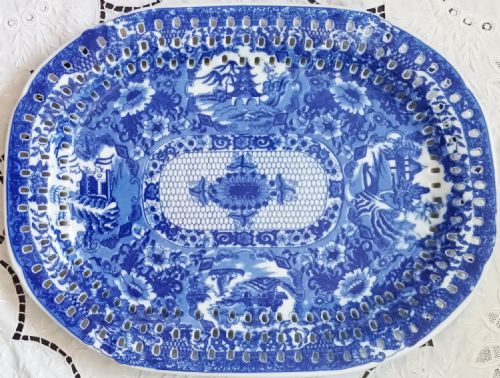
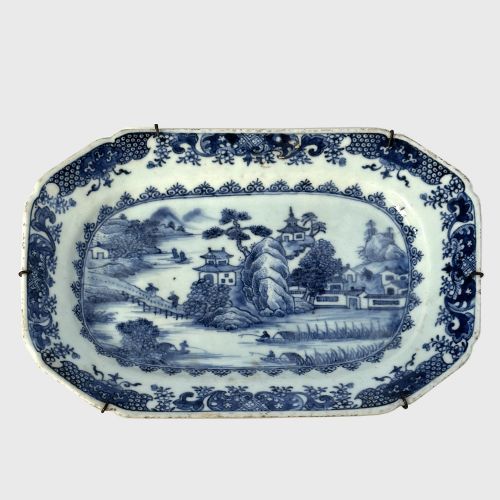
The pieces on this page span the eighteenth and nineteenth centuries, taking in Georgian blue and white designs, Victorian earthenware, Chinese export porcelain, and lacquered papier-mâché from the Regency period.
Forms vary from deep oval meat platters with pierced draining sections to broad decorative trays. Each object offers a glimpse into historical dining traditions where exotic narrative scenes dominated the table service.
Materials and construction
Makers utilised a variety of durable materials including earthenware, hard-paste porcelain, and pearlware, decorated with cobalt pigment and coloured enamel. Transfer printing allowed intricate patterns like the net motif to be applied evenly across large ceramic surfaces.
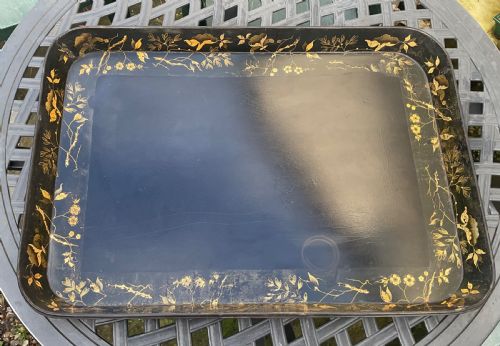
Papier-mâché trays demonstrate a different technical tradition, built from layered paper pulp pressed into moulds and finished with multiple coats of dark lacquer. Artisans then hand-painted these smooth surfaces with gilt highlights and pictorial scenes.
Retail Price Guide 2026
Typical UK retail prices for chinoiserie serving platter, calculated from the Sellingantiques database of over a million retail prices indexed since 2003. This retail price guide relies exclusively on Sellingantiques data; no external sources or auction records are used, so the figures do not describe the wider market.
Clay made things out of paper so well that you can serve a Sunday roast on them.
Assessing quality and character
Quality rests in the crispness of the hand-painting or the clarity of the transfer print beneath the glaze. Superior ceramics show even firing colours and precise detailing in the pavilions, figures, and foliage.
On lacquered papier-mâché pieces, the integrity of the surface finish and the retention of delicate gilding define the piece. A smoother ground and richer layering elevate the visual impact of the decorative tray.
Clay
The Chinoiserie Serving Platter Glossary
- Pearlware
- A refined earthenware developed in the late eighteenth century featuring a subtle bluish glaze that pooled in recesses.
- Transfer printing
- A method of applying complex decorative patterns to ceramics from an engraved copper plate via tissue paper.
- Hard-paste porcelain
- A true ceramic paste fired at high temperatures to create a dense, vitrified body that resists scratching.
- Papier-mâché
- A composite material formed from paper pulp mixed with glue and resin, pressed and dried to create sturdy trays.
Frequently Asked Questions
What were chinoiserie serving platters used for?
These large dishes served joints of meat or carried courses during formal dining occasions. Their generous proportions made them central items on the dining table.
Over time, many transitioned into decorative display pieces or serving trays for smaller social gatherings.
How do I date a ceramic platter?
Dating relies on examining the ceramic body, glaze characteristics, and the style of the printed or painted decoration. Earthenware bodies and glaze pooling give clear clues to the manufacturing era.
Comparing the border patterns and pictorial motifs with known historical production periods helps narrow down the decade of manufacture.
How do I care for lacquer trays?
Lacquered papier-mâché surfaces require gentle handling to protect the delicate finish and gold highlights from abrasion. Dusting with a soft, dry cloth is usually sufficient for routine maintenance.
Keep these pieces away from direct sunlight and excessive moisture to prevent the lacquer from fading or lifting over time.
What is the difference between porcelain and earthenware?
Porcelain is fired at much higher temperatures, resulting in a dense, non-porous body that often allows light to pass through thin sections. It feels harder and rings slightly when struck.
Earthenware is more porous and opaque, requiring a complete glaze layer to seal the clay body effectively before any decoration is applied.