





Chinoiserie Lacquer Table
Chinoiserie lacquer table designs bring European interpretations of East Asian motifs into domestic rooms through painted scenes and polished surfaces.
Chinoiserie Lacquer Table
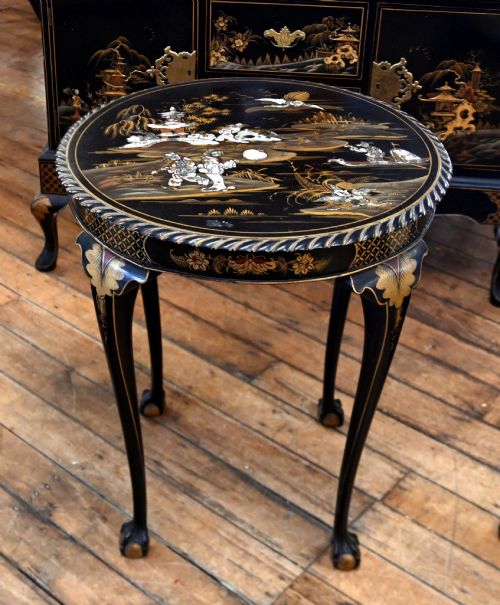
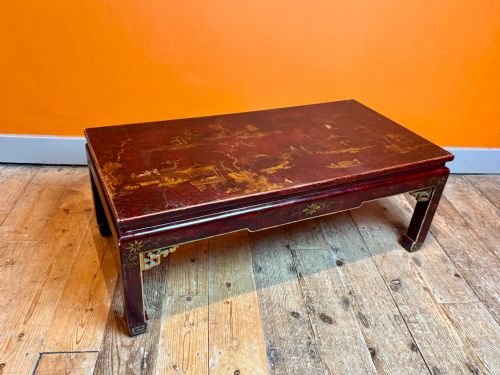
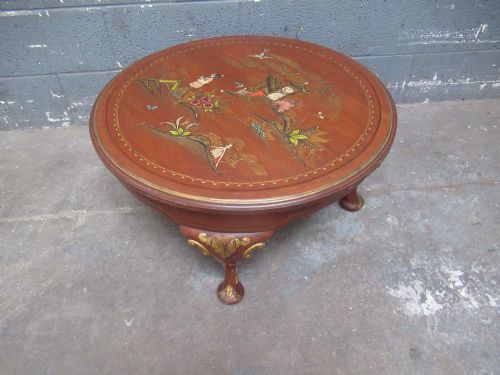
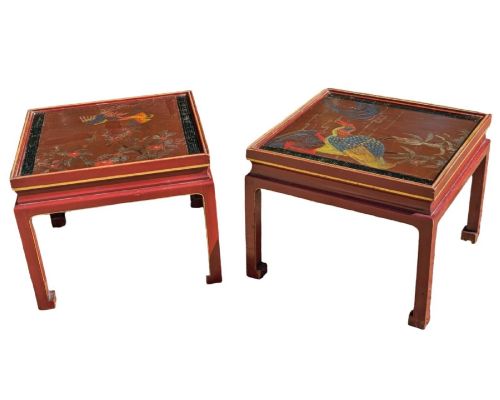
A chinoiserie lacquer table encompasses forms such as occasional tables, side tables, coffee tables, and nests of tables designed with Asian-inspired decorative motifs. The selection includes pieces spanning the nineteenth century through the 1930s, alongside Regency and Victorian interpretations.
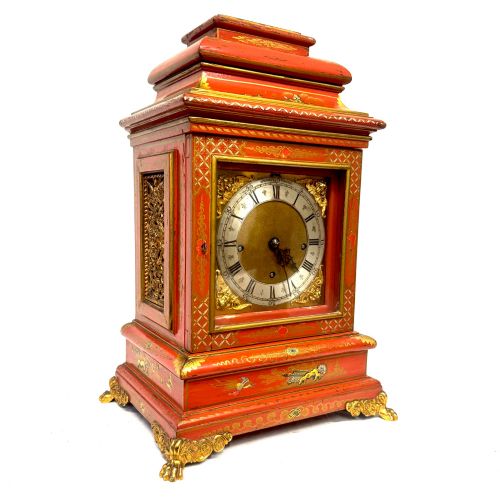
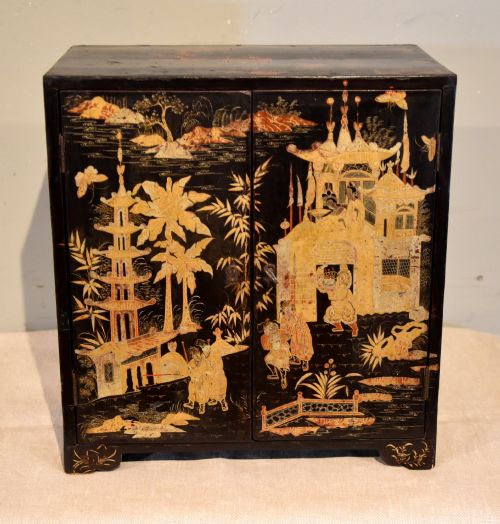
The most common formats on this page are occasional and side tables finished in black, red, cream, or ochre lacquer. Makers utilised styles ranging from Edwardian chinoiserie and aesthetic movement to Chinese export and Regency chinoiserie.
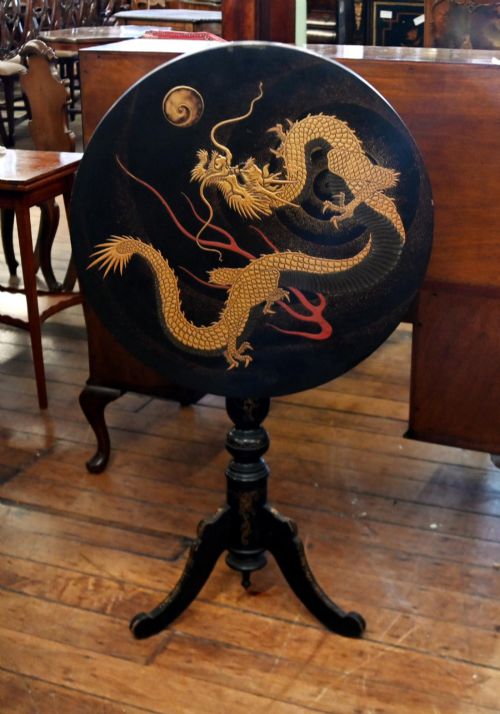
Beyond standard tea and coffee tables, the groupings incorporate specialised forms like tripod tables, tilt-top tables, and games tables. These items provide functional surfaces while displaying painted figural scenes, landscapes, and floral patterns.
Materials and Construction
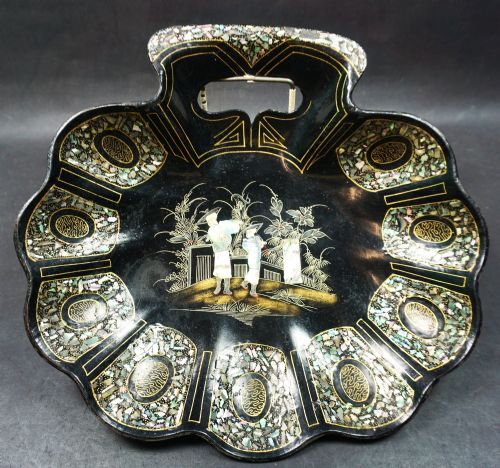
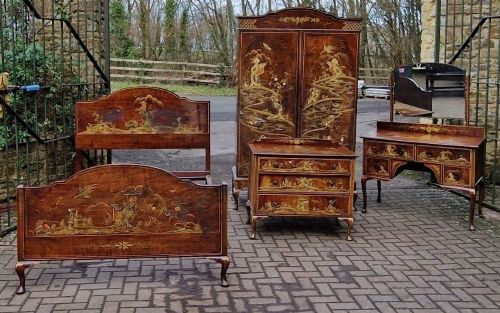
The foundation structures consist of wood, papier-mâché, and bamboo, shaped into forms such as kidney-shaped dressing tables and octagonal occasional tables. Lacquered wood surfaces receive decorative treatments involving gold leaf, gilt, and hand-painted scenes.
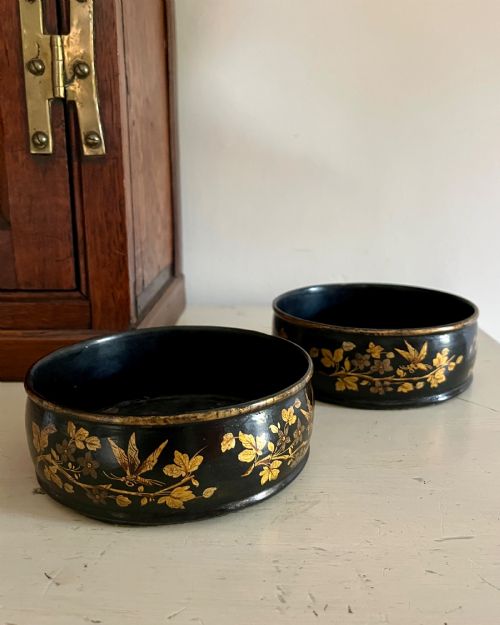
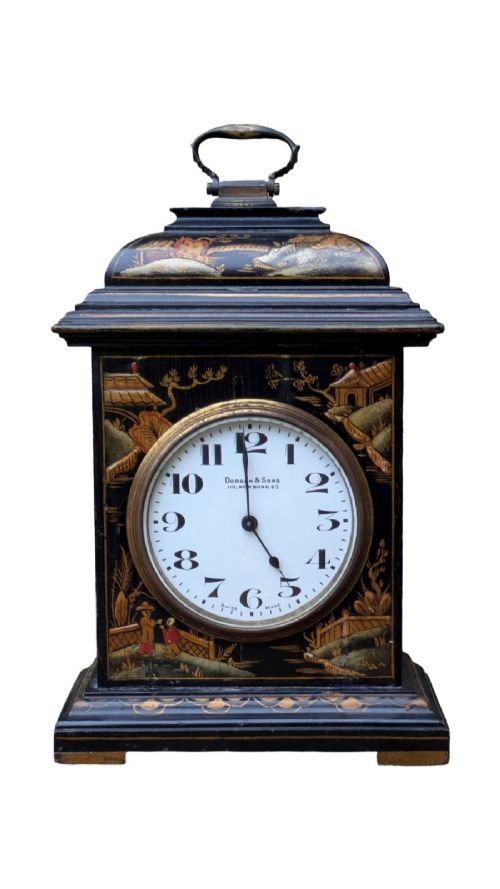
Details incorporate brass fittings, glass tops, and fabric elements, paired with ebonised finishes to emulate traditional Asian lacquerware. Japanning techniques appear across English and French pieces from the nineteenth and early twentieth centuries.
Chinoiserie Lacquer Table Retail Price Guide 2026
Typical asking prices for chinoiserie lacquer table among the pieces listed under this phrase on Sellingantiques today, from the lower quarter to the upper quarter. They describe what is for sale here now, not the wider market.
Listings feature items dated from the 1870s through the 1930s, constructed from lacquered wood, brass, fabric, and glass.
Evaluating the Pieces
Quality separates through the depth and complexity of the hand-painted decoration, where layered gold leaf and detailed figural scenes distinguish superior examples from simpler stencilled designs. The smoothness of the lacquer finish and the stability of the underlying wood or papier-mâché structure also dictate the grade of the piece.
Coherence of style within revival periods, such as Regency chinoiserie or Victorian interpretations, influences desirability. Pieces retaining original surface patination and authentic colour pigments stand apart from later re-paintings.
Mallets·Maison Bagues
The Chinoiserie Lacquer Table Glossary
- Chinoiserie
- European decorative style reflecting Chinese artistic influences. It emerged during the seventeenth century and saw major revivals in the Victorian and Edwardian periods.
- Japanning
- European imitation of Asian lacquerwork. Craftsmen applied successive coats of varnish and heat-cured the finish before adding gold decoration.
- Etagere
- Open tiered furniture designed for displaying small objects. These frames appear in brass and lacquered wood formats.
- Tilt-top table
- A table with a hinged top that pivots to a vertical position when not in use. This mechanism saved space in nineteenth-century interiors.
- Papier-mâché
- Composite material made from paper pulp or sheets mixed with glue. Moulded items received lacquered finishes for serving trays and occasional tables.
Chinoiserie Lacquer Table: Frequently Asked Questions
What is a chinoiserie lacquer table?
A chinoiserie lacquer table is a piece of furniture finished with lacquer and decorated with European interpretations of Chinese motifs. These items range from small occasional tables to coffee tables and nests.
They combine functional wooden frames with hand-painted scenes, often rendered in gold leaf upon black, red, or cream backgrounds.
How do I date an old lacquer table?
Dating relies on examining the construction methods, wood types, and specific decorative style of the piece. Victorian and Edwardian examples often feature distinct revival characteristics.
Looking beneath the table and inspecting the hinges, screws, and lacquer ageing helps determine whether the item originates from the nineteenth century or the 1920s.
Where should I place an occasional table?
An occasional table suits living rooms, hallways, or studies as a surface for lamps and decorative objects. Their compact footprints allow them to sit beside seating areas.
To protect the decorative finish, place these tables away from direct sunlight and use coasters beneath liquids.
How do I care for antique lacquer?
Antique lacquer requires gentle dusting with a soft, dry cloth to prevent surface scratches. Avoid chemical cleaners, water, and polishes containing silicone.
Maintaining stable room humidity prevents the wooden substrate from expanding and cracking the delicate lacquer and gilt layers.