







Chinoiserie Delftware Plate
A chinoiserie delftware plate brings centuries-old tin-glazed earthenware into a modern interior, offering hand-painted Asiatic motifs across historic earthenware surfaces.
Chinoiserie Delftware Plate
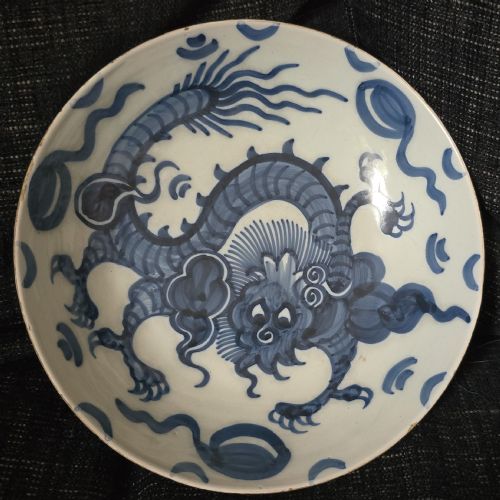
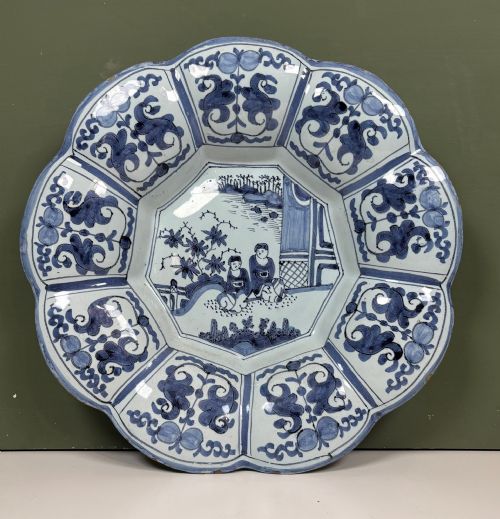
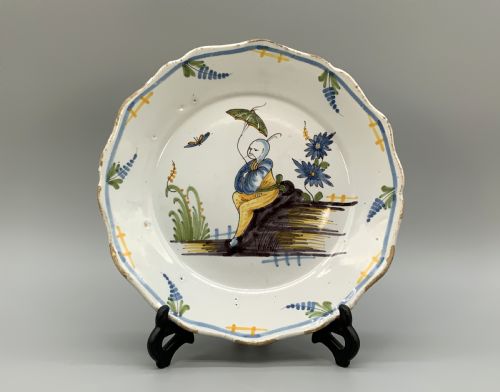
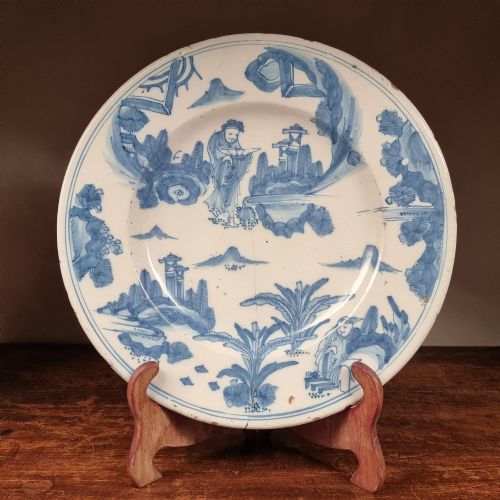
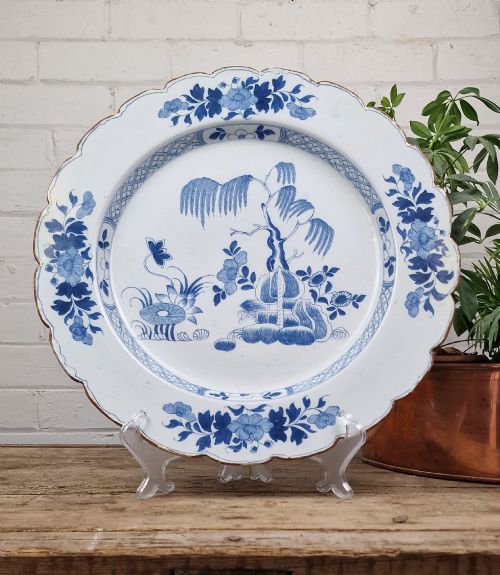
A chinoiserie delftware plate represents a ceramic tradition spanning the seventeenth and eighteenth centuries, produced across English, Dutch, and French potteries. These pieces take the form of decorative plates, chargers, dishes, and platters, reflecting a European fascination with imported Asian aesthetics. Collectors find examples ranging from compact domestic plates to large display chargers.
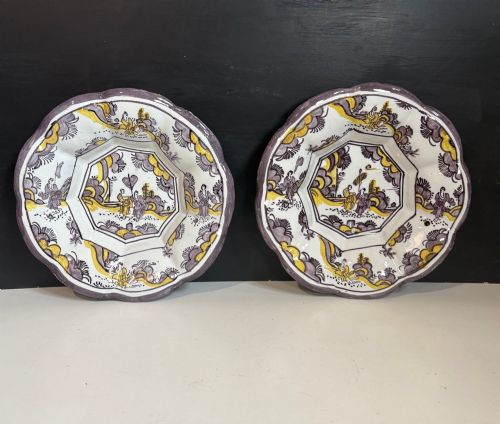
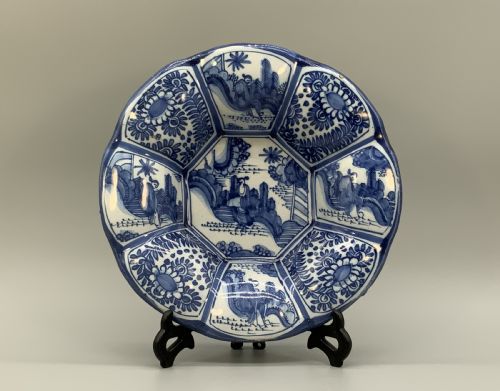
The aesthetic merges European tin-glazing techniques with imaginative interpretations of Chinese porcelain designs. Artisans painted figures, pagodas, and floral sprays directly onto the raw glaze, creating varied pictorial compositions. These items functioned primarily as display pieces for grand interiors rather than everyday tableware.
Materials and Construction
Makers formed these objects from earthenware bodies before coating them in an opaque tin glaze that provided a smooth white ground for painting. Cobalt oxide delivered the classic blue pigment, while manganese, yellow, and other mineral oxides created polychrome palettes. The pieces underwent high-temperature firing to fuse the metallic pigments into the liquid glaze layer.
The hand-painted brushwork shows the direct touch of eighteenth-century and seventeenth-century ceramicists working without stencils or transfer prints. Variations in brush pressure and pigment saturation reveal individual workshop habits. Edges and foot rims often show the small scars left by kiln stilts during the firing process.
Chinoiserie Delftware Plate Retail Price Guide 2026
Typical asking prices for chinoiserie delftware plate among the pieces listed under this phrase on Sellingantiques today, from the lower quarter to the upper quarter. They describe what is for sale here now, not the wider market.
Current listings feature earthenware objects spanning the 17th century, 18th century, and 19th century.
Assessing Quality and Execution
The clarity and crispness of the hand-painted chinoiserie motif distinguish finer examples from standard production. Superior pieces display confident, fluid brushstrokes that capture the intended Asian-inspired landscape or figure with vitality. Softer, blurred pigment diffusion indicates less controlled firing conditions.
The smoothness and coverage of the white tin glaze also mark the grade of a piece. Even opacity and minimal bubbling across the surface demonstrate superior kiln management by the potter. The depth of the blue or the vibrancy of polychrome enamels dictates the visual impact of the finished dish.
Bristol·Lambeth
The Chinoiserie Delftware Plate Glossary
- Tin glaze
- An opaque white ceramic glaze containing tin oxide that conceals the darker earthenware body beneath. It creates the characteristic smooth canvas used by delftware painters.
- Charger
- A large decorative plate or platter traditionally utilised for ceremonial dining or wall display. These oversized vessels provide expansive surfaces for complex pictorial scenes.
- Polychrome
- A multi-coloured decorative scheme utilising several mineral pigments rather than single-colour cobalt blue. Common palettes incorporate manganese purple, yellow, and green.
- Kraak style
- A decorative layout originating from Chinese export porcelain featuring panelled borders and central landscape vignettes. European potteries frequently imitated these compositions.
Chinoiserie Delftware Plate: Frequently Asked Questions
How do I hang a delft charger safely?
Displaying a charger on a wall requires a properly fitted wire hanger that distributes weight evenly across the rim. Ensure the wall fixing anchors securely into solid masonry or stud work.
Avoid spring-loaded grips with excessive tension that might stress the historic earthenware body. Inspect the mounting periodically to maintain secure placement.
Were these plates used for dining?
Most surviving large chargers served decorative functions in formal dining rooms and parlors rather than daily meals. Smaller plates saw occasional use at table, though their soft tin glazes scratched easily.
Modern owners generally treat these items as decorative art objects. Gentle display preserves the fragile painted surface from cutlery damage.
How can I tell English delft from Dutch?
English potteries often utilised a slightly softer earthenware body and distinct glaze hues compared to their continental counterparts. Bristol and Lambeth pieces display characteristic palette choices and potting traits.
Examining the foot rim and the underlying clay body reveals manufacturing clues. Regional painting styles also help distinguish between workshops.
What causes crazing on these plates?
Crazing occurs when a fine network of microscopic cracks develops in the brittle tin glaze over centuries. This natural ageing process results from the differing expansion rates of the ceramic body and the outer glaze.
Stable indoor humidity and moderate temperatures prevent further stress to the material. Crazing remains a normal characteristic of antique tin-glazed earthenware.