


Chinese Temple Figure
These Chinese temple figure selections bring ritual presence into a room, offering carved wooden deities and bronze lions with rich historical patina.
Chinese Temple Figure
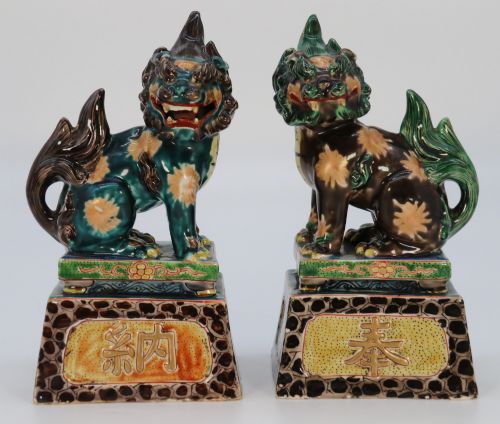
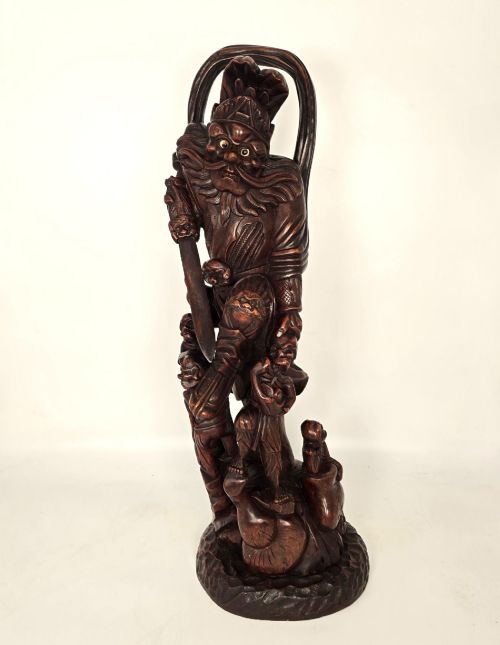
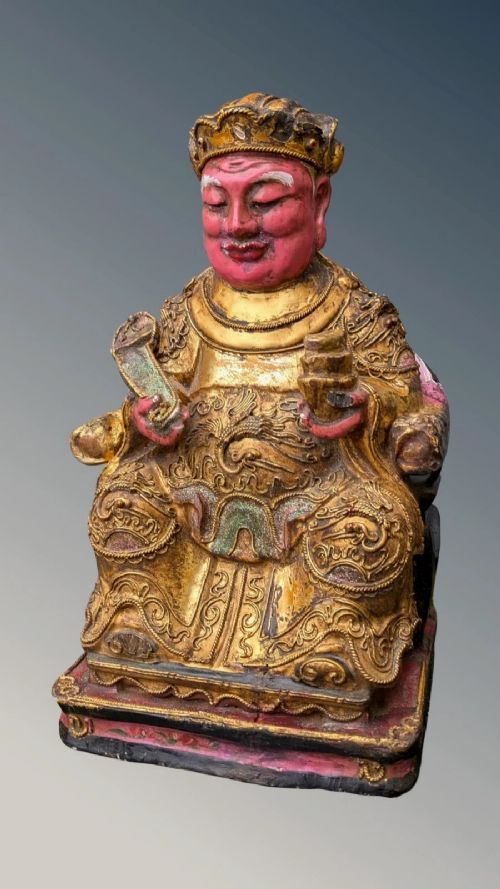
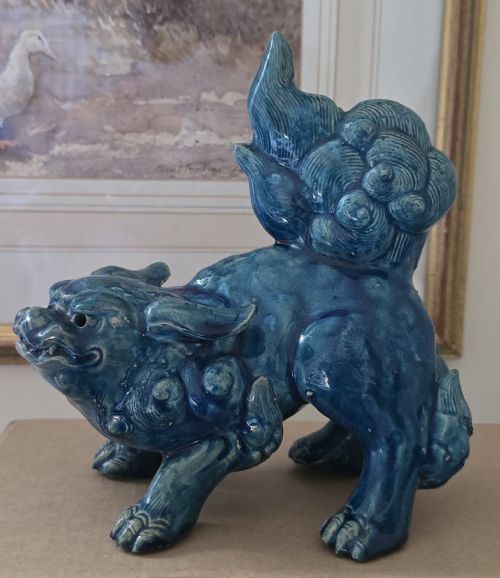
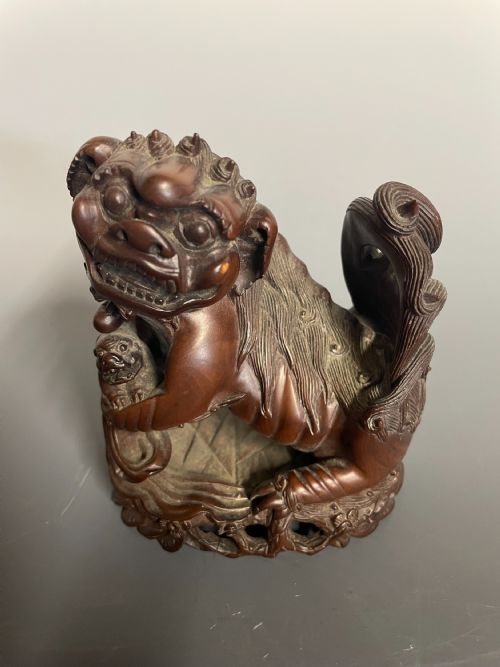
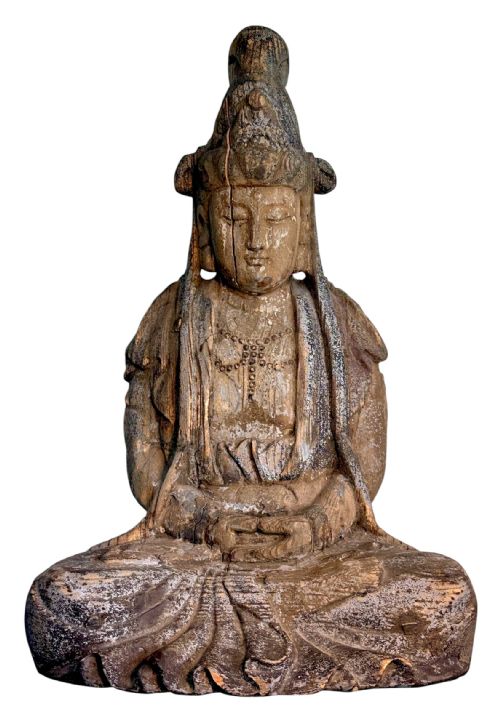
A Chinese temple figure represents sacred guardians, deities, civil officials, and Buddhist lions originating from religious sites and domestic shrines. When you search for this phrase, you encounter guardian kings, foo dogs, and polychrome painted statues spanning the seventeenth century through the early twentieth century. The selection leans heavily towards carved wooden temple guardians and ceramic or bronze lion dogs from the Qing period.
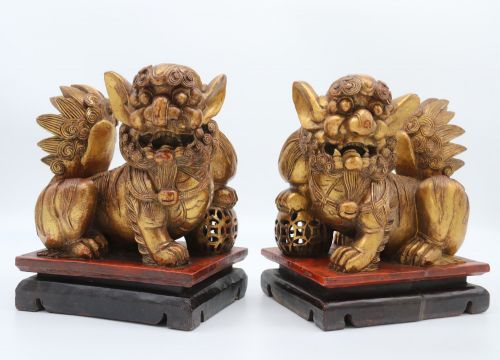
The objects take many forms, from monumental carved hardwood sculptures to smaller boxwood carvings and pottery figures. You find pairs of Buddhist lions alongside single figures of deities and medicine statues. These pieces reflect traditional Chinese craftsmanship aimed at protection and veneration.
Materials and construction
Craftsmen shaped these sculptures primarily from timber such as hardwood, boxwood, and pine, applying gesso as a base for intricate surface decoration. Artisans then enriched the wooden surfaces with gold leaf, gilt, and polychrome paint to accentuate robes and facial expressions. Ceramic and porcelain pieces received turquoise or pale green glazes, whilst bronze and brass examples demonstrate metal casting techniques.
The application of lacquer and gold leaf required considerable skill to achieve the characteristic sheen found on guardian figures and temple lions. Carvers worked with the grain in wood, whilst ceramic pieces relied on kiln firing and precise glaze formulation. Cast metal examples utilised traditional foundry methods to render durable temple guardians.
Styles represented include Qing Dynasty, Ming Dynasty, and Japanese Meiji period influences.
Indicators of quality
The integrity of the material also dictates the standing of a piece, with solid hardwoods and finely cast bronzes commanding greater presence than softer pottery alternatives. Surface wear tells a story of age, but the retention of original gilding and pigment distinguishes museum-standard temple ornaments from standard decorative wares.
The Chinese Temple Figure Glossary
- Foo Dog
- A mythical guardian lion, also known as a shishi or Buddhistic lion, traditionally placed outside sacred buildings to ward off malevolent spirits. These figures appear frequently in pairs across ceramic, bronze, and wood.
- Gilt
- Covered thinly with gold leaf or gold paint to impart a luminous quality. This finish highlights the divine status of figures such as Buddha and guardian kings.
- Qing Dynasty
- The final imperial dynasty of China, spanning from sixteen forty-four to nineteen twelve. Many temple figures on the market date from the late phases of this era.
- Corbel
- A structural piece of stone, wood, or metal projecting from a wall to carry a weight. Some architectural wooden carvings serve this functional purpose in temple construction.
Chinese Temple Figure: Frequently Asked Questions
What is a Chinese temple figure?
These pieces comprise carved wooden sculptures, bronze lions, and ceramic deities originally housed in sacred spaces for protection and worship.
They encompass guardian figures, civil officials, and mythical animals designed to command reverence within a traditional interior setting.
How were temple figures displayed?
Guardians and lion dogs typically stood in pairs flanking temple entrances, altars, or domestic shrines to ward off negative energies.
Smaller carvings and medicine figures sat on interior tables or within household altars for daily veneration and medicinal consultation.
How do I identify the period?
Dating relies on stylistic shifts in carving execution, glaze types, and the composition of the wood or metal base.
Earlier pieces from the Ming and early Qing eras show distinct sculptural weight and pigment application compared to later nineteenth-century productions.
Are these figures waterproof?
Most wooden temple figures feature delicate gesso, gold leaf, and polychrome painted surfaces that react poorly to moisture and direct sunlight.
Interior placement in stable atmospheric conditions preserves the fragile lacquer and metallic finishes.
Why are foo dogs often paired?
Traditional placement paired a male lion holding a brocade ball with a female lion restraining a cub, symbolising protection and lineage.
Displaying them together maintains the balanced energetic harmony intended by the original makers.