


Gilded Wooden Figure
When you handle a gilded wooden figure, you hold centuries of devotion, theatre and craft rendered in gold leaf and carved timber.
Gilded Wooden Figure
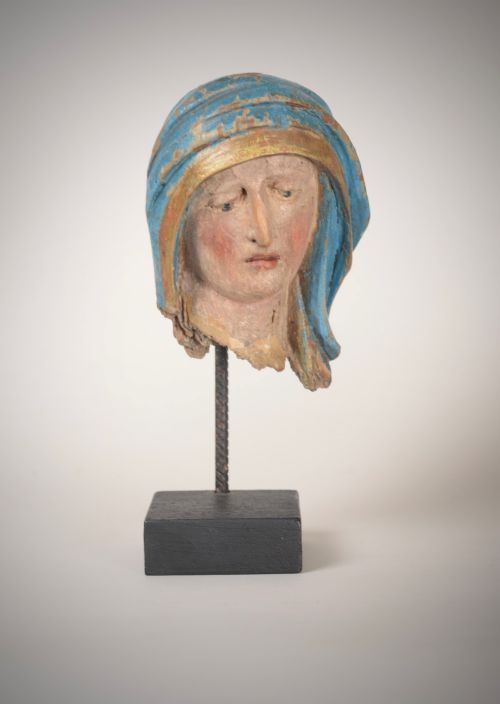
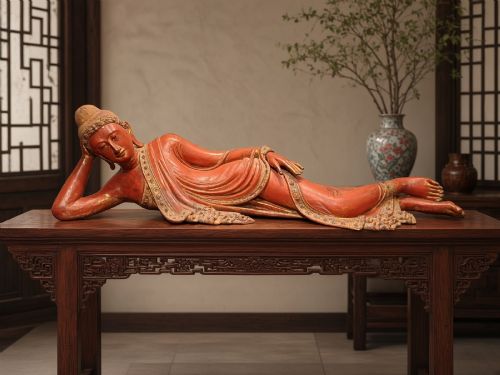
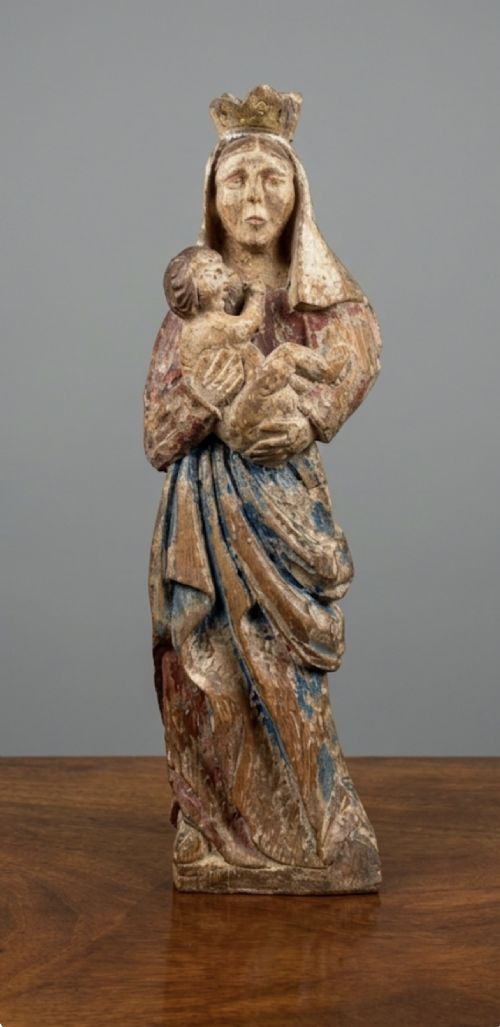
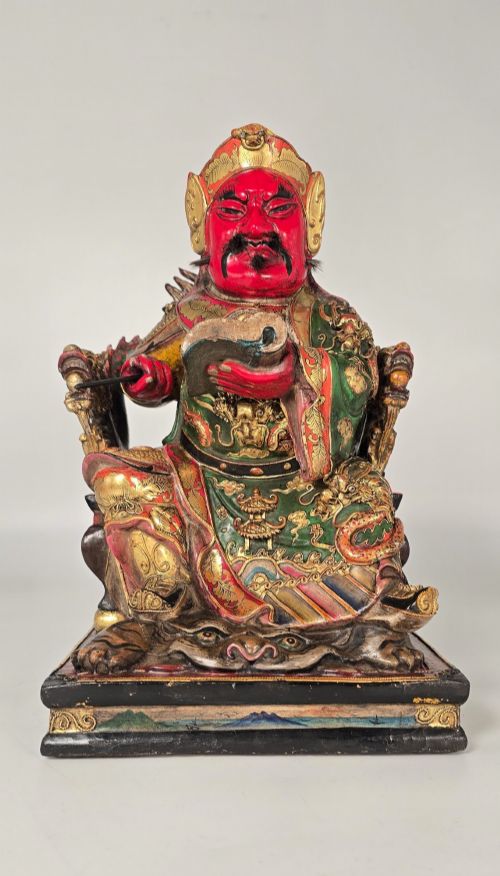
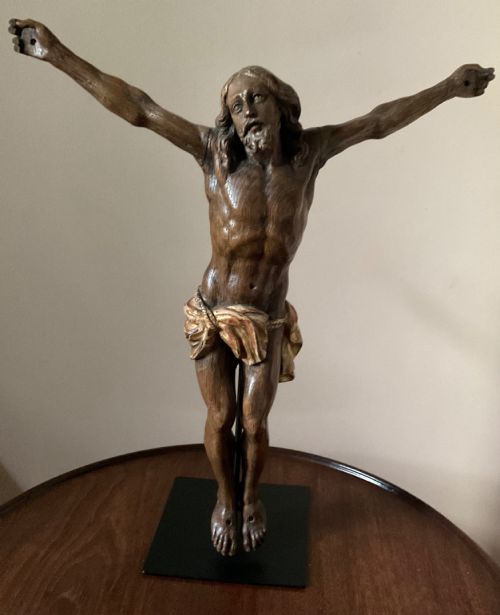
A gilded wooden figure bridges sacred devotion and secular display, taking the form of saints, deities, angels and mythical guardians. You encounter these sculptures across diverse cultural traditions, spanning European baroque churches, Venetian palazzi and Asian temples. The selection ranges from devotional Christian corpus figures and praying saints to imposing Chinese temple guardians and serene Buddhas.
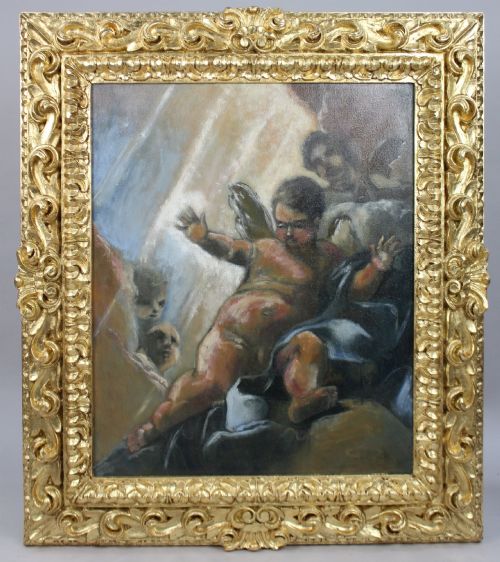
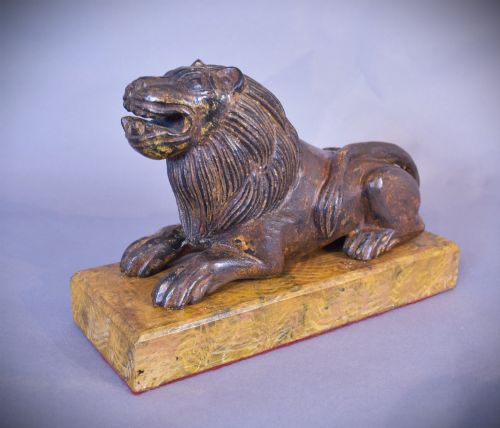
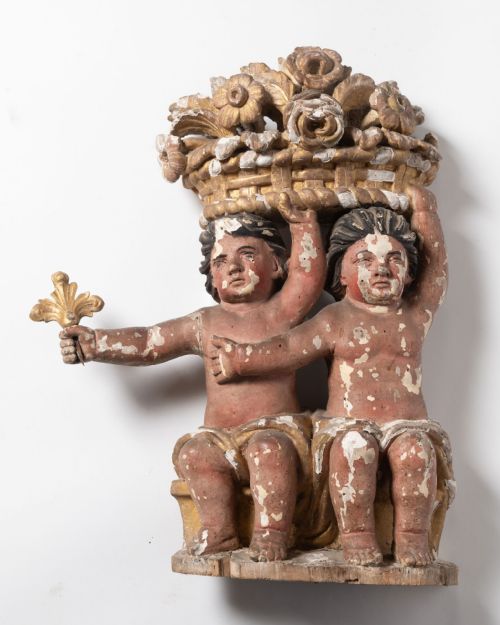
Domestic ornaments also appear, including decorative putti, cherubs and carved lions intended for interior splendour. The European examples often lean towards Italian or German workshop origins, while Asian pieces showcase Qing Dynasty and Burmese artistry. On this page, religious statues and decorative figures dominate the offerings rather than flat oil paintings.
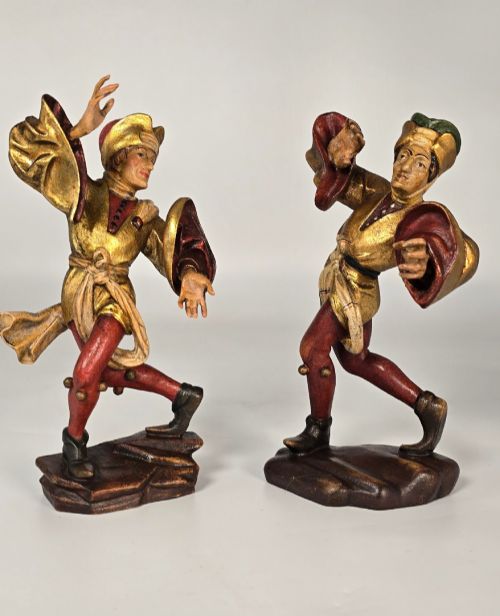
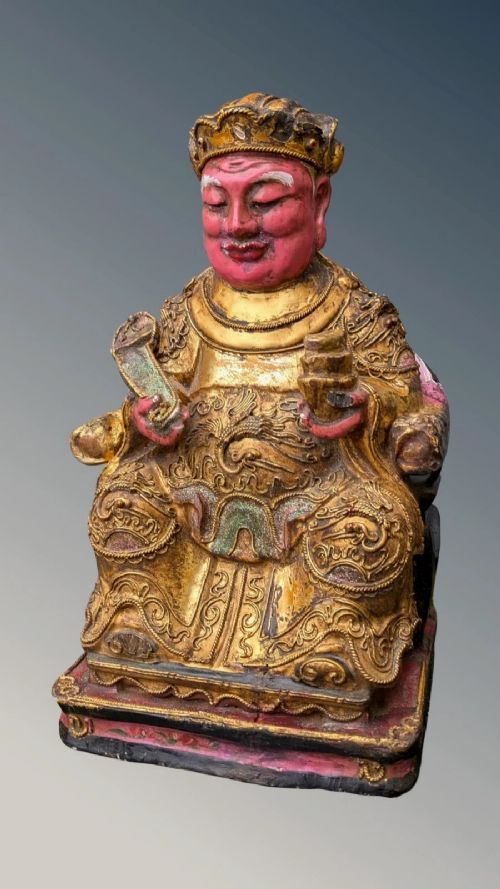
The periods stretch back from the sixteenth century through the seventeenth and eighteenth centuries into the nineteenth and early twentieth centuries. Each piece carries the distinct sculptural language of its era, whether the dynamic movement of Venetian baroque or the stylised calm of a Qing period official.
Materials and Construction
Makers shaped these works from seasoned timbers such as lime wood, oak and other native hardwoods, carving the underlying anatomy and drapery by hand. This carved wooden core received a preparatory layer of gesso, providing a smooth, absorbent bed for subsequent decoration.
The object forms range from religious statues and corpus figures to temple guardians, wall reliefs, floor lamps and decorative tables.
Judging Quality and Execution
The calibre of a carved wooden figure rests upon the anatomical confidence of the carving and the subtlety of the surface preparation. Master carvers imbued timber with expressive weight and fluid drapery, whereas lesser hands produced stiff, formulaic postures.
The preservation of the original gold leaf and polychrome pigment dictates the visual power of the object. Pieces retaining their untouched, historic gilding and natural wear command greater appreciation than those subjected to heavy modern repainting.
The Gilded Wooden Figure Glossary
- Giltwood
- Timber that has been coated with gold leaf or gold powder. This surface treatment protected the underlying wood while imparting a luxurious metallic sheen.
- Gesso
- A plaster mixture applied to wood as a smooth base for gilding and painting. It allowed craftsmen to achieve crisp detail before laying down gold leaf.
- Polychrome
- Decorated in multiple colours. Artisans used pigments alongside gilding to bring realism and vibrant detail to devotional and decorative sculptures.
- Corpus Christi
- The body of Jesus depicted on a crucifix. These carved wooden representations focus attention on the dramatic suffering and sacrifice of the figure.
- Putto
- A chubby male child figure, often winged, common in Renaissance and Baroque art. Sculptors deployed these winged infants to introduce playful or heavenly movement.
Gilded Wooden Figure: Frequently Asked Questions
How do I clean a gilded wooden figure?
Dust the surface gently with a very soft, dry artist brush or ostrich feather duster. Avoid all water, liquid cleaners and abrasive cloths, as these will damage delicate gold leaf.
Keep the sculpture away from direct sunlight and fluctuating radiator heat to prevent the wood from splitting and the gesso from cracking.
Are these figures meant for outdoor display?
These sculptures belong exclusively indoors within stable environmental conditions. Moisture, frost and direct outdoor elements will rapidly destroy the historical wood, gesso and gold leaf.
Display your piece away from damp exterior walls and maintain a moderate room temperature to preserve the integrity of the antique materials.
How do I tell European and Asian pieces apart?
European examples typically manifest as Christian saints, angels, putti or classical deities rooted in baroque and gothic traditions. They rely heavily on carved limewood or oak with gesso and giltwood finishes.
Asian pieces generally portray Buddhas, temple guardians, civil officials or scholars originating from China or Burma. These works frequently incorporate specific iconography, lacquering techniques and polychrome painted details distinct from European church art.
What does original polychrome mean?
Original polychrome refers to the historic paint layers applied by the maker when the sculpture was first created. This surface has not been stripped or covered with modern overpaint over the centuries.
Spotting untouched original pigment confirms the authenticity and age of the piece, offering a direct visual link to the workshop that produced it.