



17th Century Religious Statue
A 17th century religious statue carries centuries of devotion in carved wood and metal, offering tangible history for your collection.
17th Century Religious Statue
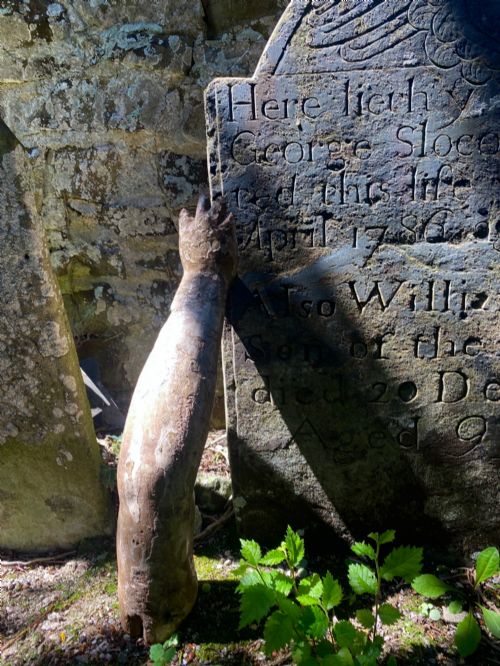
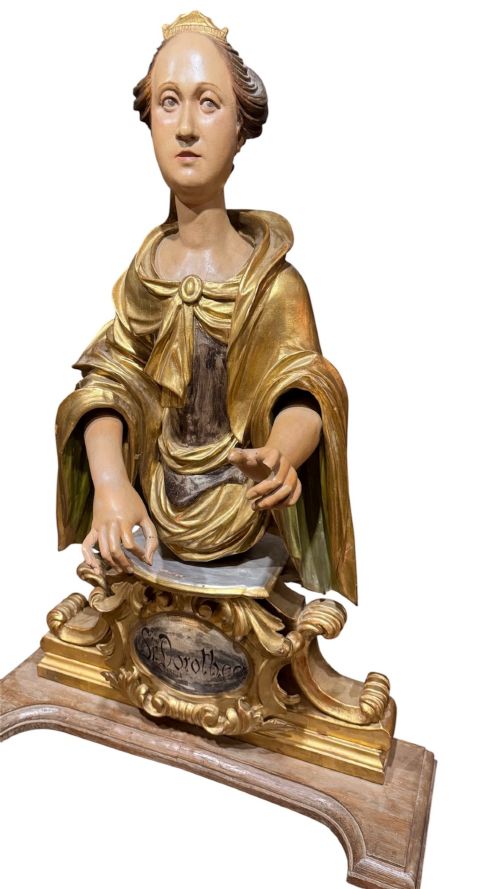
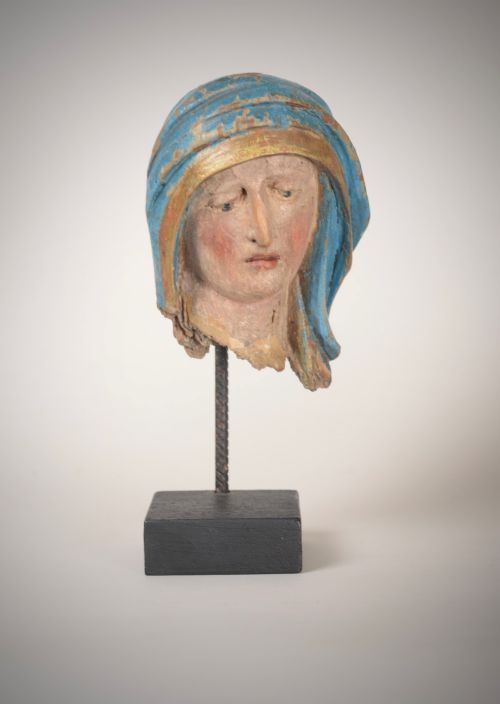
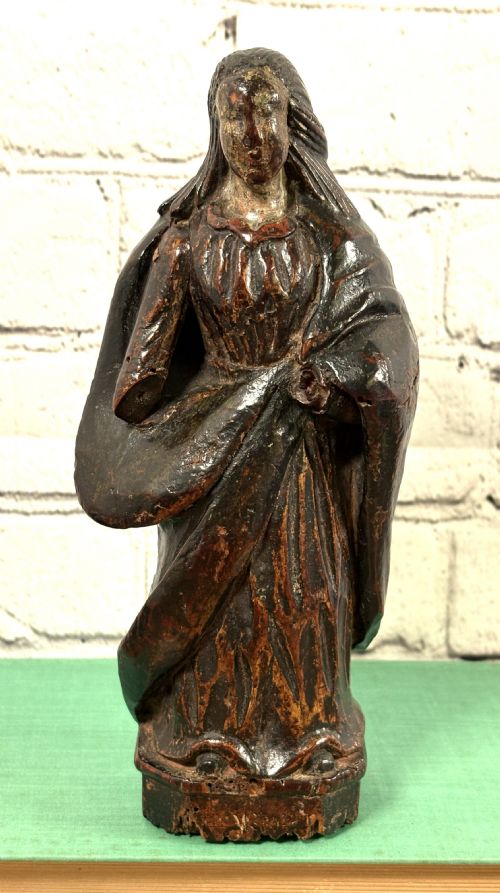
A 17th century religious statue brings sacred art into domestic spaces through figures of saints, angels, and holy personages. Buyers encounter representations like Saint Barbara, the Lady of Sorrow, John the Baptist, and the Corpus Christi.
The selections on this page span carved limewood, applewood, oak, and bronze. Continental Baroque and Spanish Baroque aesthetics dominate the visual landscape of these devotional sculptures.
Forms range from kneeling angels on clouds to fragments and full figures of Christ. Each piece reflects the intense religious fervour and artistic output of the 1600s.
Materials and construction
Many surfaces received layers of gesso, polychrome paint, and gold leaf to heighten realism and devotional splendour. Metal pieces were cast in bronze to create enduring devotional objects.
17th Century Religious Statue Retail Price Guide 2026
Typical asking prices for 17th century religious statue among the pieces listed under this phrase on Sellingantiques today, from the lower quarter to the upper quarter. They describe what is for sale here now, not the wider market.
Heavenly choir practice must have been loud; oak angels spend centuries kneeling on clouds without ever getting tired knees.
Assessing quality and execution
The refinement of the carving dictates the distinction between standard workshop output and masterwork execution. Delicate rendering of facial expressions and fluid drapery folds elevate certain sculptures above simpler devotional items.
The survival of original surface treatments, including polychrome pigments and gold leaf, significantly shapes the character of a piece. Traces of ancient colour preserve the intended visual impact of the Baroque era.
The 17th Century Religious Statue Glossary
- Polychrome
- Decoration in multiple colours applied to the surface of wood or stone sculpture. This technique brought realism and vivid theatricality to religious figures.
- Gesso
- A white paint mixture consisting of a binder mixed with chalk, gypsum, or pigment. It served as a smooth preparation base for gilding and painting wood.
- Baroque
- An artistic style dominant in the 17th century characterised by movement, drama, and exuberant detail. Sculptures from this period emphasise emotional intensity.
- Corpus Christi
- An image or sculpture depicting the body of Jesus Christ on the cross. These figures focus on the pathos of the crucifixion scene.
17th Century Religious Statue: Frequently Asked Questions
What materials are used in these sculptures?
Carved wood forms the primary material, featuring limewood, applewood, and oak. Artisans frequently applied gesso, polychrome, and gold leaf to these wooden substrates.
Metal works cast in bronze also appear within the selection. Each material dictated the final texture and finish of the devotional object.
Which subjects appear most frequently?
Saints and biblical figures dominate the available subjects. Common representations include Saint Barbara, John the Baptist, angels, and the Corpus Christi.
Fragments and specific icons such as the Lady of Sorrow also emerge in the inventory. These varied subjects reflect the devotional practices of 17th century Europe and beyond.
How do I identify a Baroque piece?
Baroque sculptures display dynamic movement, emotional intensity, and dramatic drapery folds. Artists aimed to engage the viewer's direct emotional response through theatrical postures.
Spanish and continental workshops particularly embraced these exuberant stylistic traits during the 1600s. The resulting figures project profound spiritual gravity.
Where should I display my statue?
Place your sculpture in a stable environment away from direct sunlight and sudden temperature shifts. Wood and polychrome surfaces benefit from consistent indoor humidity levels.
Allow the piece adequate space to be viewed from multiple angles. Proper placement highlights the intricate hand-carved details and historic finishes.