

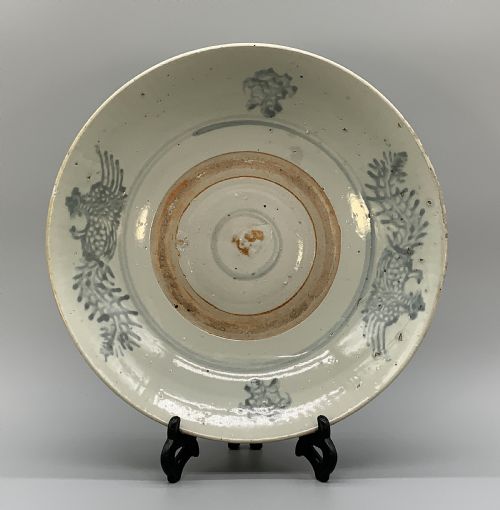


Chinese Porcelain Charger
A chinese porcelain charger brings centuries of skilled kiln work and bold domestic or export design straight to a large display dish.
Chinese Porcelain Charger
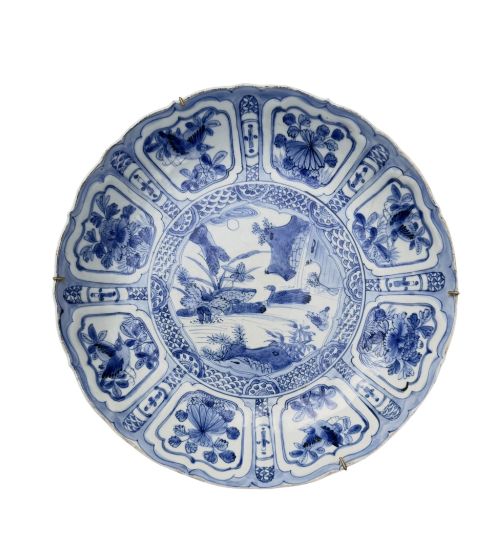
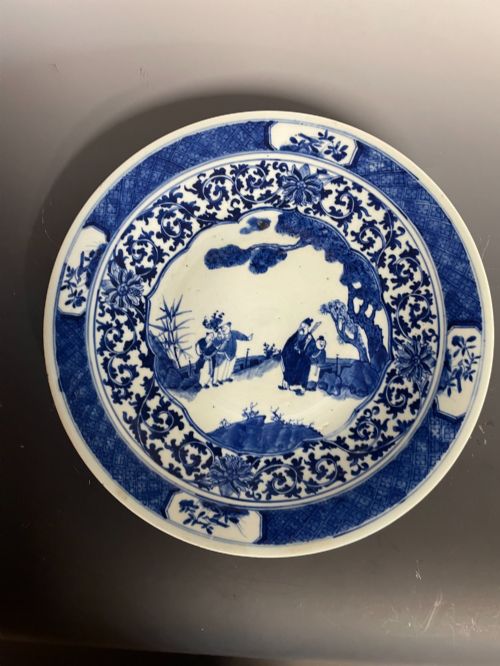
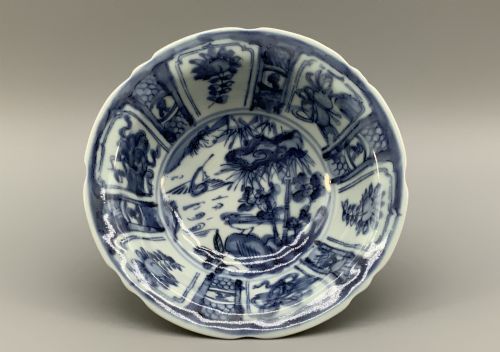
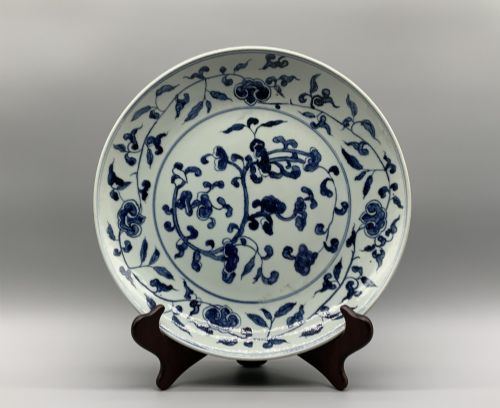
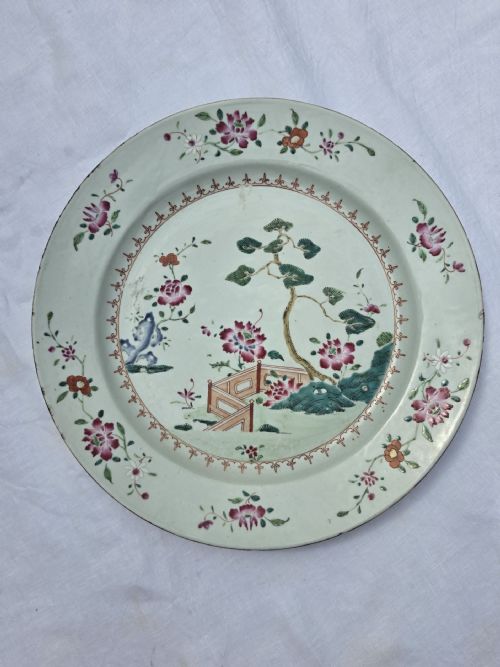
A chinese porcelain charger is a broad, shallow serving dish or display plate designed to command attention on a table, sideboard or wall. These pieces range from substantial Ming Dynasty Kraak wares and Kangxi blue and white platters to vibrant Qianlong Famille Rose and later Qing Dynasty export examples.
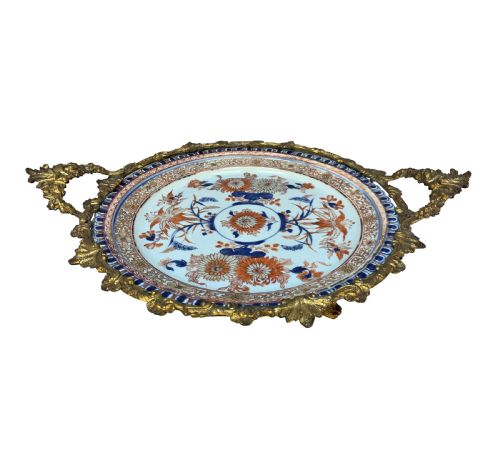
You are most likely to encounter 18th-century blue and white or Imari chargers alongside 19th-century polychrome dishes on this page. The forms span circular and lobed chargers, deep plates and large serving platters made for both domestic scholar-officials and European export markets.
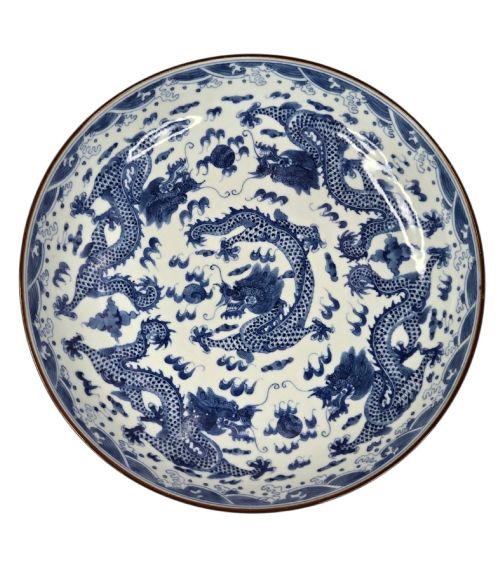
The enduring appeal of a chinese porcelain charger lies in its generous canvas, which allows potters and painters to execute intricate dragons, floral scrolls, and court scenes with remarkable precision.
How they were made
Potters shaped hard-paste porcelain using fine-grained local clays containing kaolin and petuntse, firing the vessels at high temperatures to achieve a vitrified, resonant body. Cobalt underglaze was applied directly to the raw clay body before glazing and firing, creating durable blue designs that remained crisp beneath the clear finish.
Overglaze decoration involved painting enamel colours, iron-red, and gold leaf onto a previously fired and glazed surface, followed by a lower-temperature secondary firing to fuse the pigments. Moulded floral scrolls and barbed rims were often shaped directly in the clay before drying, giving the dishes their characteristic tactile relief.
Listings span multiple centuries of production, recording both robust Ming Dynasty Kraak dishes and refined Qianlong Famille Rose export chargers.
What varies in quality
The distinction between ordinary utility wares and exceptional collectors' pieces rests on the confidence of the brushwork and the clarity of the glaze. Master painters working during imperial periods delivered fluid, dynamic dragons and detailed court scenes, whereas lesser pieces show rushed, formulaic repetition in their motifs.
Kiln control and material purity also dictate value, as superior pieces display an unclouded glaze ground and precise cobalt tones without muddy bleeding or heavy distortion from the intense firing process. The presence of a well-formed mark of the period further distinguishes items made for imperial patronage from standard commercial output.
The Chinese Porcelain Charger Glossary
- Kraak porcelain
- A type of Chinese export porcelain produced mainly during the Wanli period, featuring panelled decoration and radial designs. It was widely traded by maritime nations.
- Famille Rose
- A palette of opaque enamel colours introduced in the Qing dynasty, dominated by pinks and rose shades derived from colloidal gold. This technique allowed for delicate shading of floral and figural subjects.
- Underglaze blue
- A decorative technique where cobalt oxide is painted onto the unglazed porcelain body before a transparent glaze is applied and fired at high heat. The resulting blue design is sealed permanently beneath the glossy surface.
- Imari
- A style of ceramic decoration employing underglaze blue, iron-red, and gold on a white porcelain ground, heavily produced for export. The aesthetic originated in Japan but was also widely adopted by Chinese kilns.
- Celadon
- A term for ceramics featuring a pale grey-green jade-like glaze produced by iron oxides in a reducing atmosphere. The thick, translucent glaze pools attractively in carved or moulded surface details.
Chinese Porcelain Charger: Frequently Asked Questions
How were chinese porcelain chargers used?
These large vessels served primarily as ceremonial platters for presenting food at elite banquets or as decorative display pieces mounted on walls and cabinets. Their substantial size made them ideal centerpieces for wealthy households and international trade.
Over subsequent centuries, European collectors prized them almost exclusively as wall chargers or cabinet showpieces, protecting their broad painted surfaces from the wear of daily dining.
How do you date a chinese porcelain charger?
Dating relies on combining stylistic evidence, potting characteristics, and any reign marks found on the base. Early pieces like Ming Kraak wares show thick bodies and distinct panel borders, while Kangxi and Qianlong pieces display finer potting and specific chemical properties in their cobalt or enamel.
Interpreting reign marks requires caution, as later dynasties frequently reproduced earlier imperial marks as a sign of respect rather than deliberate deception. Physical clues such as footring finish and glaze texture provide a more reliable guide to actual age.
What is the difference between export and domestic wares?
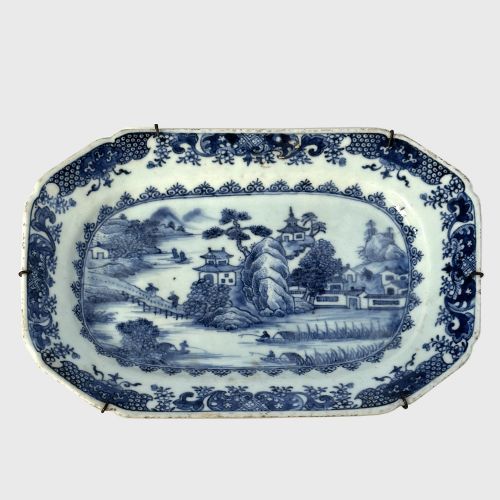
Export wares were specifically tailored to foreign tastes, incorporating European armorials, Christian subjects, or modified shapes like octagonal platters and deep serving dishes. Domestic pieces followed traditional Chinese aesthetic standards, prioritizing auspicious symbols and imperial motifs.
Both categories utilised the same high-temperature porcelain bodies, but export items often reflect the cross-cultural exchange of maritime trade during the Qing dynasty and earlier periods.