



Antique Chinese Platter
An antique chinese platter brings centuries of kiln craft to the table, offering durable porcelain and earthenware formed for display or service.
Antique Chinese Platter
When searching for an antique chinese platter, collectors encounter a range of serving vessels, chargers, and decorative dishes originating from dynastic periods through the nineteenth century.
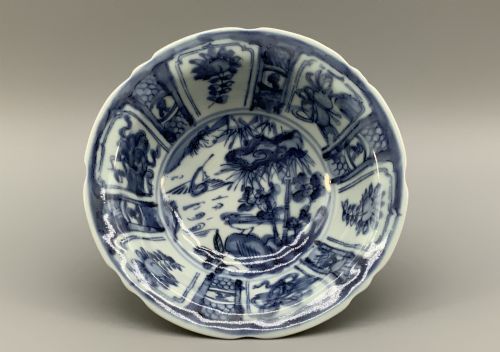
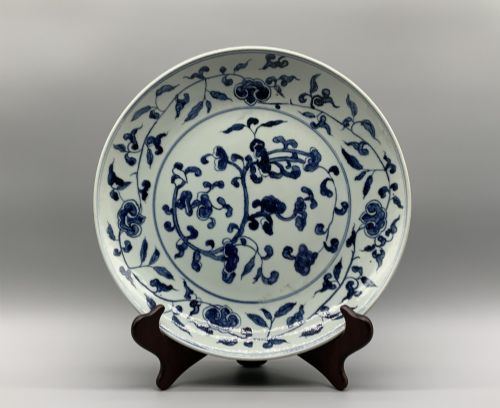
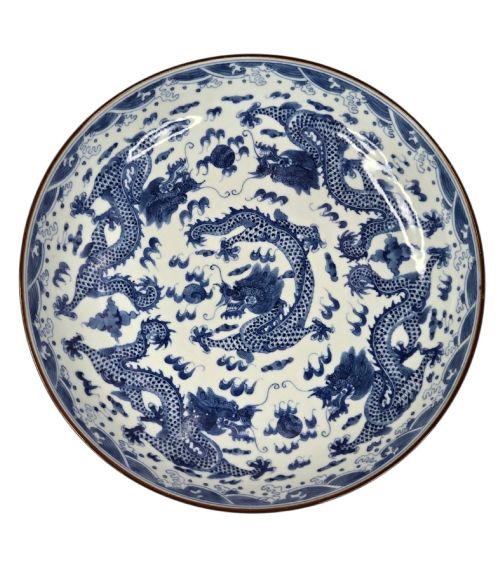
The pieces on this page span the Ming and Qing dynasties alongside export wares, taking the form of large blue and white chargers, famille rose dishes, and lobed bowls intended for grand service.
Earlier examples display celadon glazes and moulded floral scrolls from fourteenth-century kilns, while later items include nineteenth-century Canton wares and European adaptations in the Chinese taste.
Materials and construction
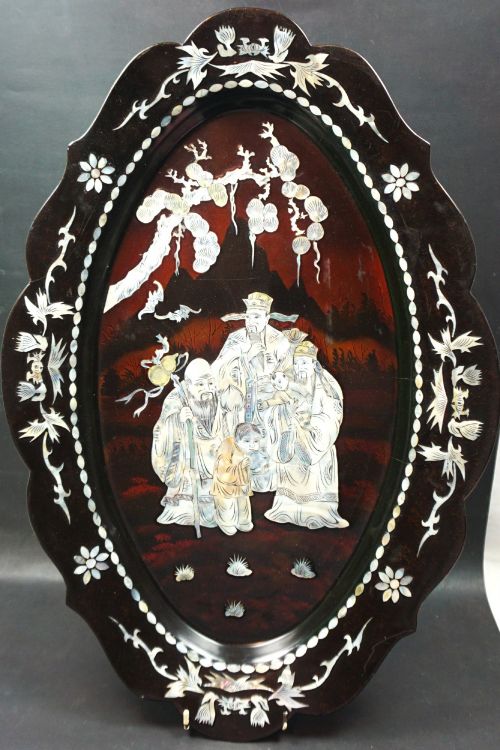
Potters utilised hard-paste porcelain, earthenware, and ceramic bodies, often decorated with cobalt pigment beneath a clear glaze or finished with polychrome enamel and mother of pearl inlay.
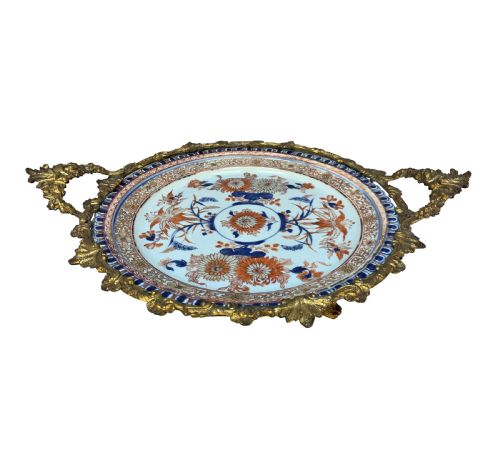
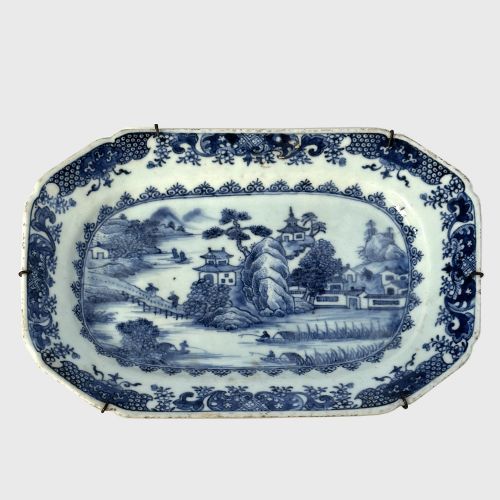
Many serving platters and dishes received hand-painted cobalt blue designs, while others employed moulded floral scrolls, barbed rims, and metal mounts such as ormolu to frame the glazed ceramic.
Some nineteenth-century meat dishes arrived with built-in ceramic drainers so the gravy pooled neatly away from the Sunday joint.
Assessing quality
Quality rests in the crispness of the cobalt brushwork, the stability of the glaze, and the precision of moulded or hand-shaped rims on chargers and serving dishes.
Superior examples demonstrate balance in design and refinement in the clay body, whereas lesser pieces show uneven firing or blurred pigment transference.
The Antique Chinese Platter Glossary
- Charger
- A large decorative plate or platter intended for ceremonial dining or sideboard display. These wide vessels often command the centre of a table.
- Famille Verte
- A polychrome enamel palette dominated by green hues, prominent on Qing Dynasty porcelains. It translates as green family.
- Celadon
- A transparent green glaze over a pale grey or white clay body, crackled or smooth. This finish mimics jade in appearance.
- Swatow Ware
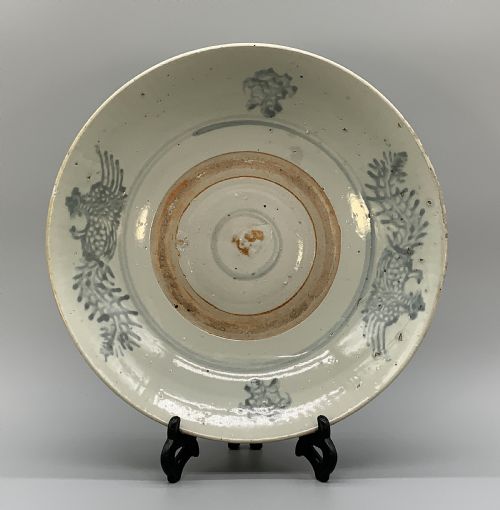
- Coarse porcelain and earthenware made in southern Fujian province for export during the late Ming period. The decoration is typically painted in thick cobalt blue.
- Chinese Export
- Ceramics produced specifically for Western markets from the seventeenth century onward, combining Eastern forms with European armorials or tastes.
Antique Chinese Platter: Frequently Asked Questions
How are antique chinese platters cleaned?
Wash porcelain and ceramic platters by hand in warm water using a mild soap. Avoid soaking pieces with exposed earthenware or metal mounts.
Dry them thoroughly with a soft cloth to protect the glaze and any delicate enamel details from moisture damage.
Can these platters be used for food?
Many antique platters remain structurally sound for serving dry foods or fruit. Inspect each piece for old hairline cracks before placing items upon it.
Items featuring heavy enamels or porous earthenware are better suited for display rather than daily culinary service.
What is the difference between a charger and a platter?
Chargers are exceptionally broad decorative plates originally designed for ceremonial table service or wall hanging. Platters tend to be oval or rectangular for serving meats.
Both forms appear across eighteenth and nineteenth-century Chinese export shipments.