



Blue White Serving Charger
A blue white serving charger brings centuries of painted cobalt artistry straight to the dining table.
Blue White Serving Charger
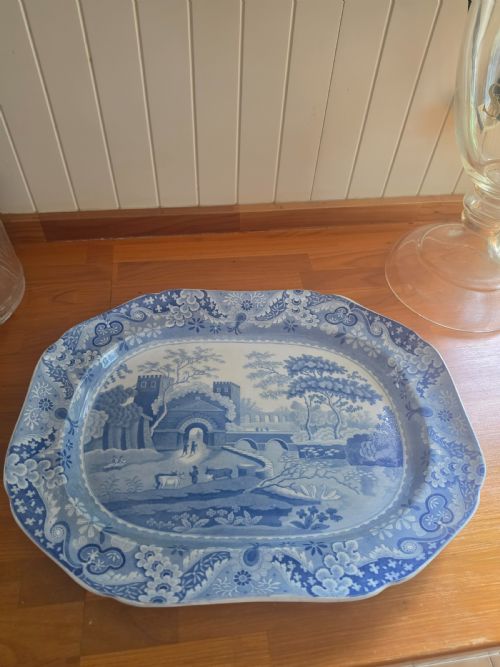
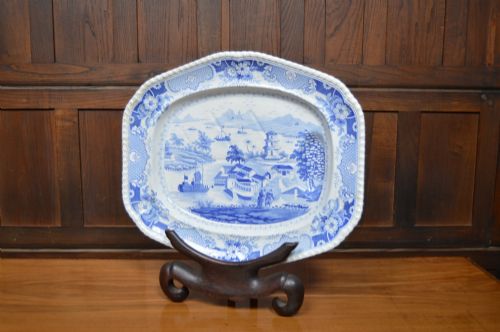
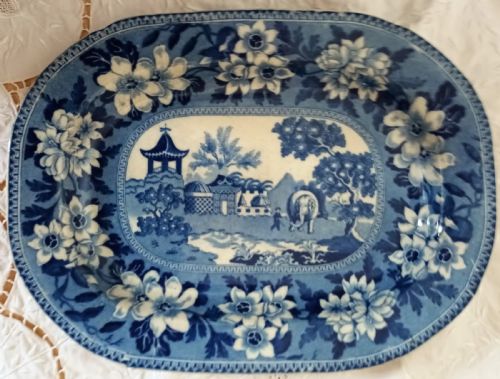
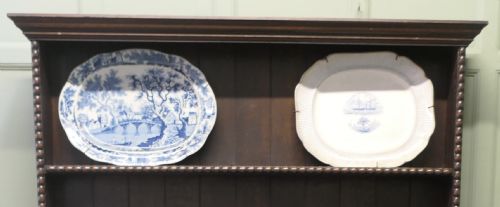
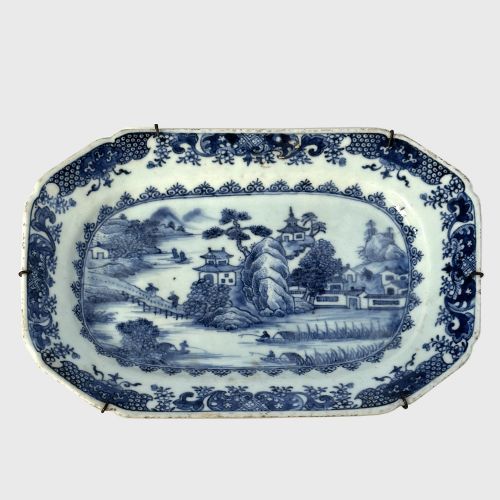
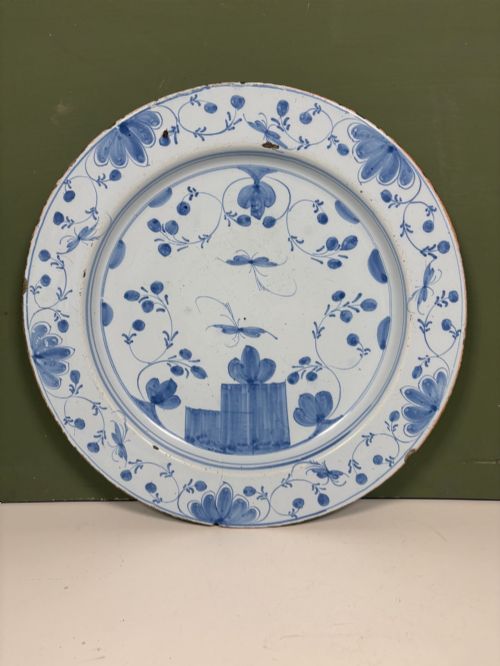
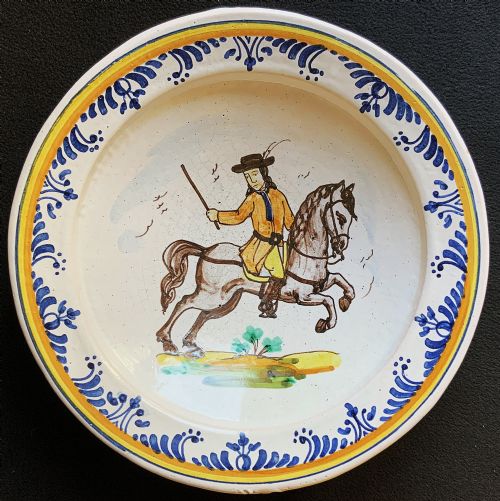
A blue white serving charger sits at the grander end of domestic tableware, functioning historically for significant meals or purely as a decorative display piece on walls and sideboards. When you search for this phrase, you encounter large platters, meat dishes, and wide chargers spanning multiple centuries and continents.
The versions most commonly met on this page range from English earthenware transferware meat platters of the Regency and Victorian eras to earlier tin-glazed earthenware delftware and Chinese export porcelain. Forms vary from deep round chargers to wide oval serving platters painted with landscapes, architectural scenes, and maritime battles.
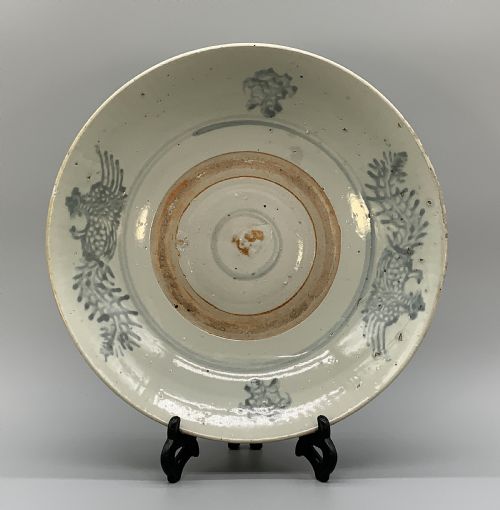
Origins stretch across English potteries, Dutch workshops, Spanish kilns, and East Asian traditions including Chinese Ming Dynasty and Japanese Arita wares. Each piece reflects the global trade and aesthetic tastes of its specific period, whether produced for domestic English dining rooms or export markets.
Materials and Construction
Makers utilised ceramic bodies formed from earthenware, improved stone china, and porcelain, shaping them into broad plates and platters designed to hold substantial joints of meat. These clay bases received smooth surfaces through the application of glaze or tin-glazing techniques.
Decoration relied fundamentally on cobalt pigment, applied either by hand painting with a brush or through transfer printing from copper plates onto the ceramic surface. Subsequent firing fixed the deep blue pigment beneath or within the glaze, sometimes supplemented by polychrome enamel highlights.
Listings span earthenware, porcelain, tin-glazed earthenware, and glaze materials across eighteenth, nineteenth, and early twentieth-century periods.
Factors of Quality
Quality rests upon the clarity of the cobalt pigment and the precision of the design, whether executed through fluid hand painting or sharp transfer printing from detailed copper plates. Rich depth of colour and stability across the glazed surface separate the finer works from simpler production.
The ambition of the form and the crispness of the moulding also define the tier of the piece, particularly in heavy earthenware meat platters and large porcelain chargers where warping during kiln firing presents a constant challenge.
Spode·John Rogers And Son·Copeland And Garrett·Minton
The Blue White Serving Charger Glossary
- Transferware
- Ceramic ware decorated by applying a printed design from an engraved copper plate using tissue paper onto the biscuit body before glazing and firing. This technique allowed intricate topographical scenes and narrative patterns to be replicated consistently.
- Tin-Glazed Earthenware
- Pottery covered with a white tin oxide glaze that provides an opaque white background for painting in cobalt blue and other metallic oxides. It encompasses traditions such as English and Dutch delftware.
- Charger
- A large decorative or serving plate, typically measuring substantially wider than standard dining plates, used historically for ceremonial service or displayed upright on dresser plates.
- Cobalt Pigment
- A mineral colourant utilised beneath or within the glaze to produce an intense blue tone that withstands the high temperatures of ceramic kilns without fading.
- Chinese Export Porcelain
- Porcelain manufactured in China specifically for trade and export to Western markets, often adapting European forms while retaining traditional Oriental painting styles.
Blue White Serving Charger: Frequently Asked Questions
Were these large chargers used for dining or display?
Historical evidence indicates that large chargers and platters served both functional roles at formal dining tables and decorative purposes on sideboards.
Over time, many transitioned primarily into wall-hanging or cabinet display pieces due to their substantial size and painted visual appeal.
What is tin-glazed earthenware?
Tin-glazed earthenware is pottery coated with a glaze containing tin oxide, which creates an opaque white surface resembling porcelain.
Painters applied cobalt pigment directly onto this absorbent unfired glaze before the final kiln firing.
How should I care for an antique ceramic charger?
Antique chargers require gentle handling and should be cleaned exclusively with dry or lightly dampened soft cloths to protect the glaze and pigment.
Displaying them securely on padded plate stands or specialised wall mounts prevents accidental slips and structural strain.