



Large Chinese Porcelain Dish
A large chinese porcelain dish brings centuries of kiln mastery into the home, offering broad expanses of painted glaze and grand scale.
Large Chinese Porcelain Dish
A large chinese porcelain dish serves as a substantial focal point, encompassing chargers, serving platters, and deep bowls designed for display or containment. These objects emerge from various eras, including the Ming and Qing Dynasties, alongside later export periods.
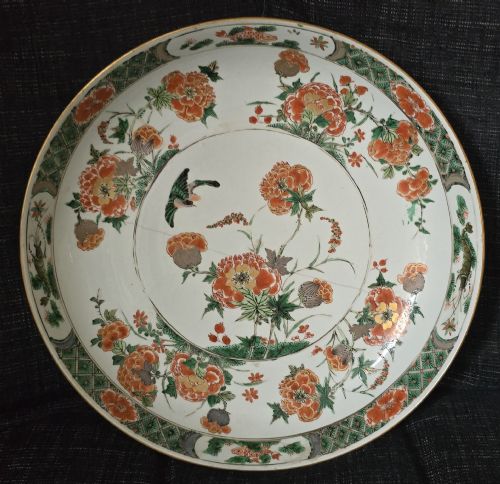
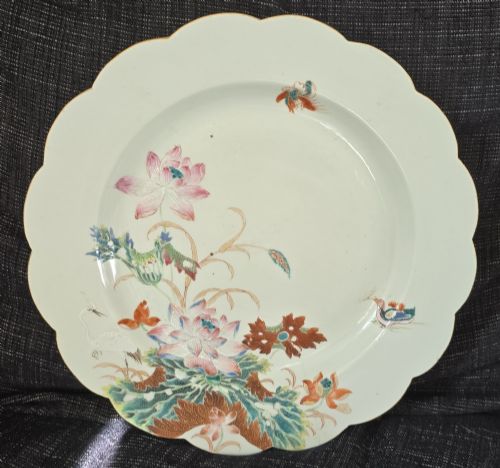
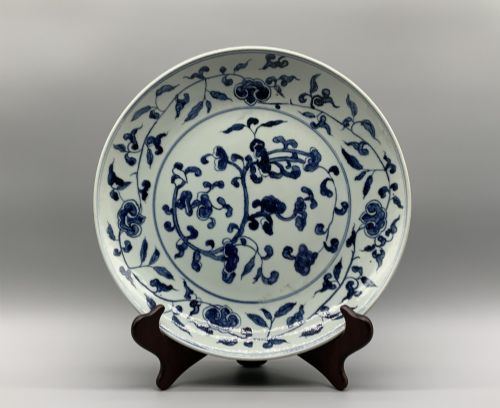
The pieces on this page most frequently appear as blue and white chargers or expansive famille rose and canton bowls. Buyers encounter historical forms ranging from Kraak dishes to Imari plates and celadon platters.
Originating from major ceramic centres, these vessels demonstrate the sheer breadth of historical kiln output. Each specimen reflects the aesthetic priorities of its specific century, spanning imperial commissions to robust export wares.
How they were made
Potters shaped high-firing ceramic paste into wide plates and deep vessels before applying mineral pigments. Cobalt glaze provided the deep blue underglaze decoration seen on early chargers.
Overglaze enamels and gold leaf added polychrome brilliance to later pieces after the initial kiln firing. Skilled artisans hand-painted intricate motifs including court scenes, floral scrolls, and mythical birds directly onto the hardened glaze.
Listings span multiple centuries, incorporating Ming, Qing, and Yuan Dynasty pieces alongside later 19th-century export productions.
What varies in quality
The finesse of the brushwork dictates the visual merit of the piece, distinguishing hurried export production from meticulous imperial output. Crisp cobalt application and finely controlled enamel layers elevate the overall presence.
Body weight and proportion also signal distinction, as larger vessels require exceptional throwing skill to prevent warping during high-temperature firing. The clarity of the porcelain body beneath the glaze completes the hierarchy of excellence.
Samson of Paris
The Large Chinese Porcelain Dish Glossary
- Charger
- A large decorative plate or platter intended primarily for display on a sideboard or wall rather than for serving food. These substantial vessels provide ample surface area for intricate pictorial scenes.
- Famille Rose
- A palette of opaque overglaze enamels dominated by pink or rose colours, introduced during the Qing Dynasty. This technique allowed for nuanced shading in floral and figural depictions.
- Kraak Porcelain
- A type of Chinese export porcelain characterised by panelled border designs and central motifs, typically produced in the late Ming Dynasty. It often arrived in Europe via captured Portuguese cargo ships.
- Celadon
- A green-glazed ceramic where iron oxide in the glaze fires in a reducing atmosphere to produce jade-like tones. The surface is often enhanced with carved or moulded floral scrolls beneath the glaze.
- Imari
- A style of ceramic decoration featuring underglaze blue combined with iron red, gold, and other overglaze enamels. Originally made in Japan and imitated in China, it presents a rich, multi-layered appearance.
Large Chinese Porcelain Dish: Frequently Asked Questions
How were large chargers displayed?
Historical interiors often utilised plate rails, specialised stands, or wall brackets to showcase the expansive painted surfaces of these large dishes. Wealthy households arranged them in formal dining rooms and parlours to demonstrate refined taste.
Today, owners continue to place them on sturdy stands or mount them securely on walls. Their broad diameters allow intricate underglaze blue and famille rose scenes to be fully appreciated from a distance.
What is the difference between a charger and a dish?
A charger refers specifically to a very large plate, typically exceeding standard dining dimensions, designed primarily for ceremonial display or grand service. Ordinary dishes and bowls served more utilitarian functions in domestic settings.
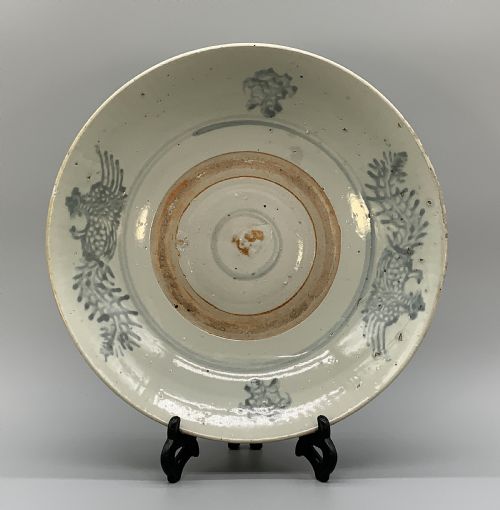
In historical inventories, large dishes often fulfilled multiple roles depending on their depth and robustness. Kraak and Swatow pieces, for instance, combined heavy walls with wide diameters to withstand transit and use.
How do I identify a Ming Dynasty piece?
Ming pieces display distinct potting characteristics, including thicker foot rims, heavier bodies, and specific cobalt tones that can vary from bright violet to deeper grey-blue. Stylistic motifs such as early floral scrolls provide further chronological clues.
Expert examination looks at the unglazed base to observe the natural ageing of the clay body, known as the biscuit. Handling numerous examples builds familiarity with the tactile weight and glaze texture unique to this era.
Can these dishes be used for serving food?
While historic vessels were originally functional items for communal dining, antique pieces of significant age warrant careful handling. Modern use risks thermal shock or surface abrasion on delicate overglaze enamels and gold leaf.
Collectors generally prefer to use them solely for decorative display to preserve the integrity of the glaze. Hand washing with mild soap is recommended if any vessel requires cleaning.