



Qing Dynasty Serving Dish
A qing dynasty serving dish brings centuries of Imperial craftsmanship and export trade directly to the modern table.
Qing Dynasty Serving Dish
A qing dynasty serving dish encompasses practical vessels created for both domestic dining and the historic export market. Buyers browsing this selection typically encounter durable porcelain platters, tureens, and large bowls originating from distinct periods between the eighteenth and nineteenth centuries.
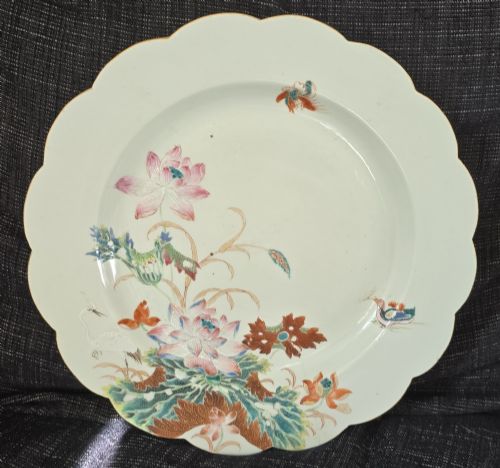
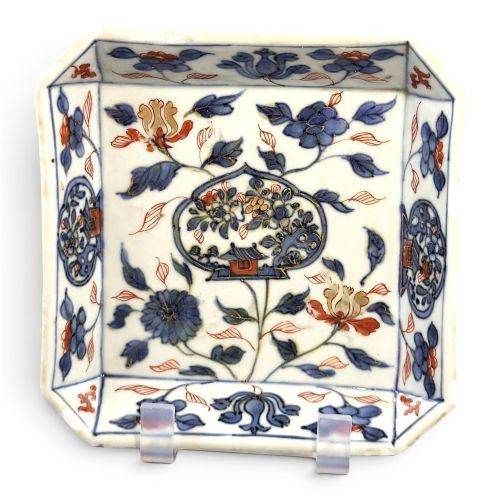
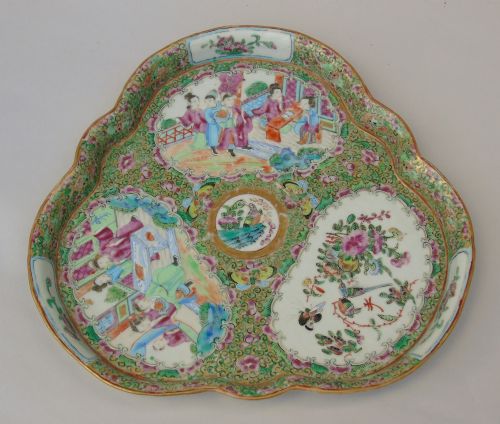
The forms span from standard chamfered squares and shamrock shapes to trefoil trays and deep serving dishes. Many pieces reflect a fusion of traditional Chinese ceramic techniques with Western aesthetic demands through the Chinese Export trade.
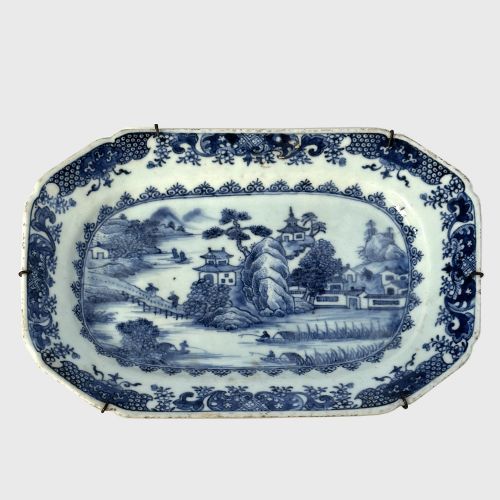
Originating predominantly from the eighteenth and nineteenth centuries, these vessels range from Qianlong period blue and white porcelain to later Canton Famille Verte and Famille Rose wares. Each object demonstrates the utilitarian yet highly decorative nature of high-end dining ware from the era.
Materials and methods
Potters constructed these vessels using hard-paste porcelain, shaping clay bodies before applying intricate mineral pigments and glazes. Cobalt pigment provided the deep blue tones under the glaze, while subsequent decoration relied on rich overglaze enamel colours.
Finishing touches frequently incorporated gold leaf and delicate gilding applied to rims and decorative motifs. Artisans fired the pieces in kilns at high temperatures to fuse the metallic oxides and enamels permanently to the ceramic surface.
Shamrock and trefoil shapes remind us that eighteenth-century potters were happy to bend Eastern clay to eccentric Western whims.
Evaluating craftsmanship and detail
Quality rests upon the precision of the hand-painted brushwork and the clarity of the cobalt pigment or overglaze enamels. Superior examples display crisp definition in floral or figurative scenes without blurring or pooling of the glaze.
The integrity of the porcelain body and the careful application of gilding or gold leaf distinguish finer vessels. Well-preserved surfaces retain the brilliance of their original pigments through centuries of handling and use.
The Qing Dynasty Serving Dish Glossary
- Hard-paste porcelain
- A dense, vitrified ceramic made from petuntse and kaolin fired at high temperatures. It forms the durable white body characteristic of these serving dishes.
- Famille rose
- A palette of opaque overglaze enamels dominated by pink or rose colours introduced during the Qing dynasty. Artists used these pigments to render detailed floral and figural compositions.
- Chinese export
- Porcelain and silver manufactured in China specifically for Western markets. These objects often combined traditional Eastern forms with shapes requested by European buyers.
- Cobalt pigment
- A mineral oxide used under the glaze to produce deep blue decoration on porcelain. It remains stable at the extreme temperatures required to fire hard-paste ceramic.
- Chamfered square
- A square shape with corners pared away or bevelled at an angle. This geometric variation appears frequently on eighteenth-century platters and bowls.
Qing Dynasty Serving Dish: Frequently Asked Questions
How were these serving dishes used?
These vessels served main courses, soups, and large portions during formal dining occasions. Tureens held hot dishes at the table, while platters presented meats and vegetables.
Export pieces also functioned as display items in European and American homes, signaling the wealth and status of the owner.
Are these dishes safe for food?
While historic porcelain remains structurally stable, overglaze enamels and older glazes can contain trace metals. Most collectors prefer to exhibit these pieces rather than use them for active dining.
Gentle hand washing in lukewarm water preserves the fragile pigments and any remaining gilding on the surface.
How do I identify a Qianlong period piece?
Qianlong period pieces date between seventeen thirty-six and seventeen ninety-five, aligning with the reign of the Qianlong Emperor. They frequently feature refined blue and white decoration or early enamel work.
Stylistic markers include balanced compositions, meticulous brushwork, and specific ceramic bodies associated with eighteenth-century imperial kilns.
What is Chinese Imari porcelain?
Chinese Imari is a style of export porcelain produced in China that imitates Japanese Imari wares. It typically combines underglaze blue with iron red and gold overglaze decoration.
This distinct aesthetic gained popularity in Europe during the late seventeenth and early eighteenth centuries, particularly on bowls and plates.
How do I distinguish Canton porcelain?
Canton porcelain generally dates to the nineteenth century and is known for colourful Famille Rose or Famille Verte palettes. The decoration often depicts crowded scenes with figures, birds, and butterflies.
These later pieces showcase vibrant overglaze enamels applied with a bolder hand than earlier eighteenth-century wares.