




Chinese Metalwork Vase
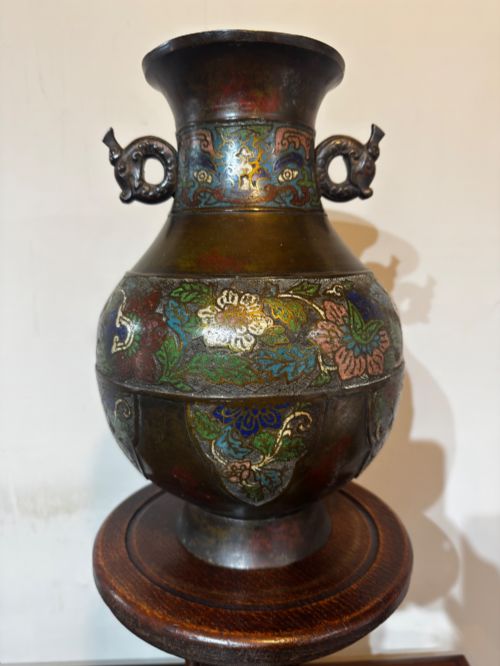
A chinese metalwork vase brings weight and ancient craft into a room, offering the collector heavy bronze, champleve enamel, and patinated surfaces.
Chinese Metalwork Vase
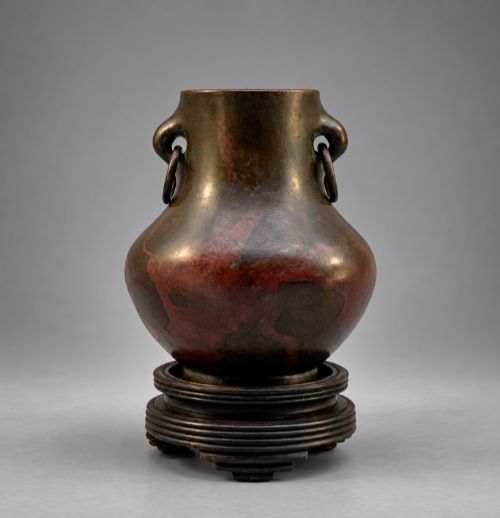
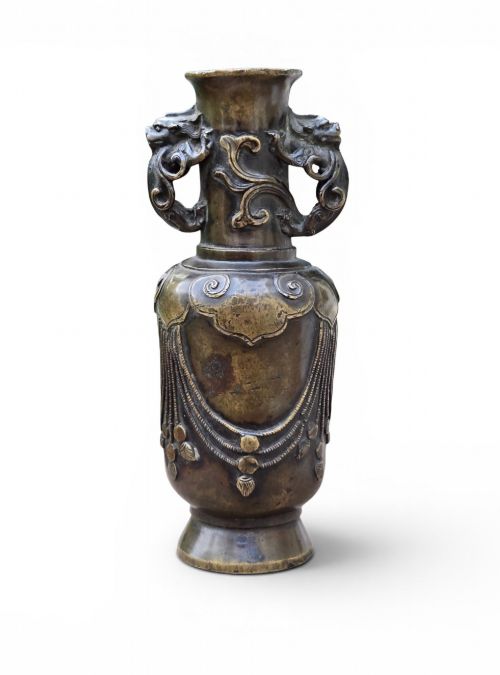
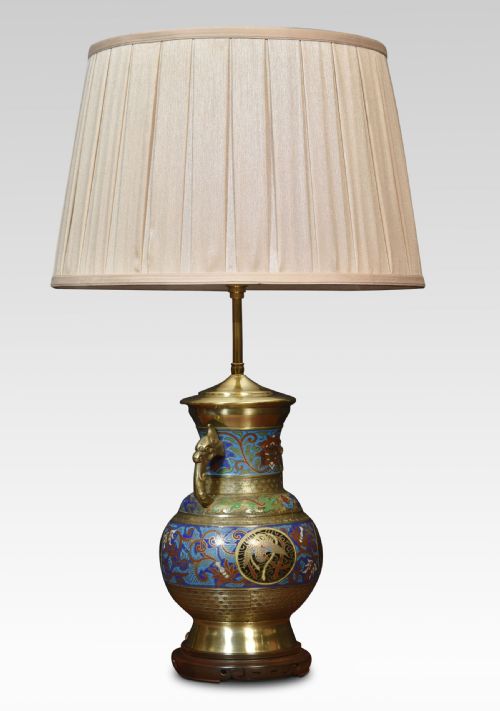
A Chinese metalwork vase stands as a heavy, decorative object shaped from bronze, brass, or copper, often bearing deep historical references such as Qing Dynasty styles or archaistic designs. When exploring this selection, a buyer encounters pieces ranging from substantial altar vessels and dragon-handled forms to smaller brass cylinders and converted lamp bases.
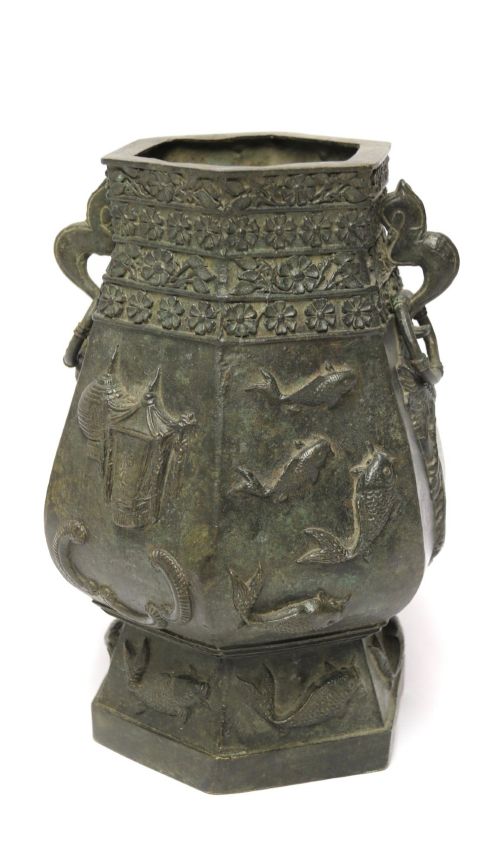
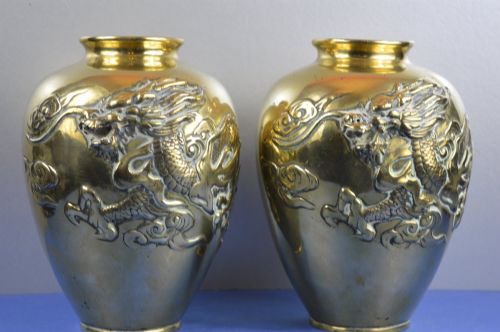
The objects span centuries of production, appearing in nineteenth-century interpretations alongside earlier seventeenth-century works and pre-sixteenth-century examples. Forms vary from traditional hexagonal shapes and gu vases to paired decorative pieces designed for symmetry.
How they were made
Makers utilised casting techniques in bronze and brass, creating solid vessels through methods that yielded substantial weights, occasionally reaching several kilograms per piece. Artisans applied patination to the metal surfaces to achieve aged tones, or utilised gilt finishing to highlight decorative relief work.
Enamel work appears prominently through cloisonne and champleve techniques, where coloured glass pastes fill wire cells or recessed compartments on the metal body before firing. These methods combine metalworking with glass chemistry to produce vibrant decorative surfaces alongside plain cast bronze.
Some heavier vessels outweigh a small domestic pet, proving that ancient artisans took their metal very seriously indeed.
What varies in quality
Quality rests in the crispness of the casting and the density of the metal, distinguishing solid vessels with high weight from lighter productions. Superior examples display intricate hand-applied details, such as finely chased dragon handles or precisely fitted enamel cells.
The sophistication of the surface finish dictates distinction, where an accomplished patination or rich gilding elevates the visual depth of the bronze. The harmony between form and decorative style, particularly in archaistic or Qing dynasty interpretations, separates standard workshop output from exceptional pieces.
The Chinese Metalwork Vase Glossary
- Bronze
- An alloy primarily of copper and tin, valued for its strength and ability to take fine cast detail. It forms the primary structural material for the majority of these vessels.
- Cloisonne
- An enamelwork technique where metal wires are soldered to a base to form compartments that are filled with enamel paste and fired. This method creates colourful geometric and pictorial patterns across the metal surface.
- Champleve
- An enamelling method where troughs or cells are carved or cast directly into the metal surface to hold the coloured enamel. It results in a robust finish with thick metal borders between colour fields.
- Gu vase
- An ancient ceremonial beaker form featuring a flared trumpet mouth, a constricted central stem, and a wider spreading foot. It is frequently referenced in later metalwork revivals.
- Patination
- The chemical or natural alteration of a metal surface over time, resulting in varied colour tones and textures. Artisans often induce this process to enhance the antique character of the bronze.
Chinese Metalwork Vase: Frequently Asked Questions
What is a Chinese metalwork vase made of?
These vessels are constructed predominantly from bronze, brass, and copper, utilising solid casting techniques that create considerable weight. Many examples incorporate enamel elements through cloisonne or champleve methods.
Surface treatments such as gilt finishes and patination are frequently applied to enhance the visual texture of the metal.
How do I identify the age of a bronze vase?
Dating relies on stylistic clues, manufacturing methods, and material characteristics associated with specific periods like the Qing Dynasty or earlier eras. Details such as archaistic forms and traditional casting techniques offer context for the age of the piece.
Examining the wear patterns and the composition of the patina also aids in understanding the chronological background of the vessel.
Were these vases used for display or ritual?
Many larger forms, including altar vases, served ceremonial functions in domestic or temple settings, while others were created purely as decorative arts. Their substantial construction reflected status and refined taste.
Over time, some vessels have been adapted for modern domestic uses, such as conversion into lamp bases.
How should I care for an antique metal vase?
Maintenance involves dusting gently with a dry, soft cloth to protect the delicate patination and enamel surfaces from moisture or abrasive cleaners. Avoiding harsh chemical polishes preserves the historical finish and metal integrity.
Placing the vase away from direct sunlight and damp environments ensures the stability of both the metal and any applied enamel work.