



Polished Brass Vessels
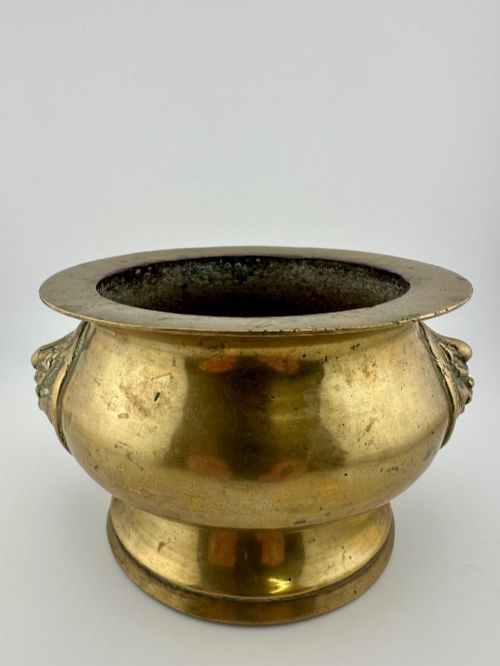
Polished brass vessels encompass utilitarian containers and decorative ornaments, offering a bright metallic lustre that suits period and traditional interiors.
Polished Brass Vessels
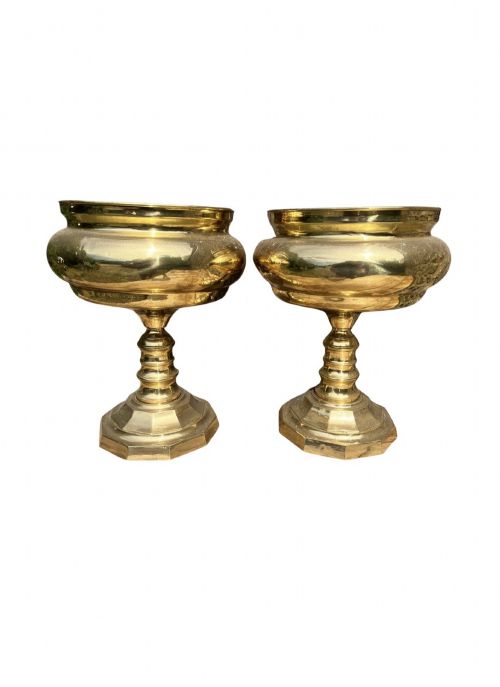
Polished brass vessels span diverse domestic and decorative categories, including planters, jardiniere, coal buckets, watering cans, vases, and kettles. Buyers searching for polished brass vessels encounter items originating from nineteenth-century Britain, the Edwardian era, and early twentieth-century workshops.
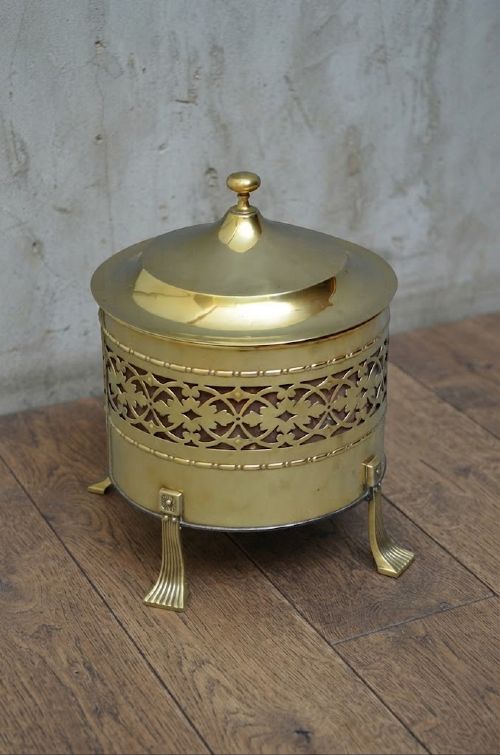
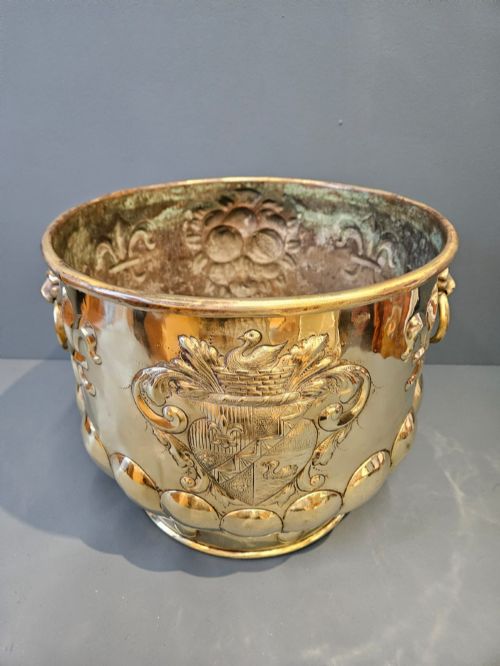
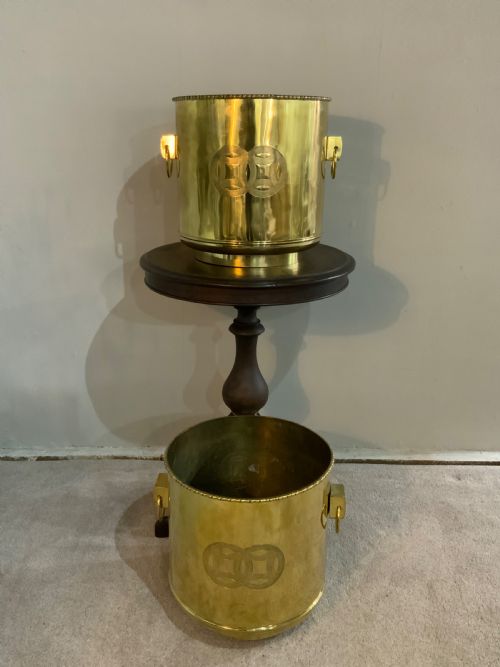
The domestic selection ranges from heavy Victorian log bins and pierced cylindrical planters to diminutive table vases and handled goblets. Alongside British examples, pieces from continental workshops and Chinese export pieces appear frequently within the listings.
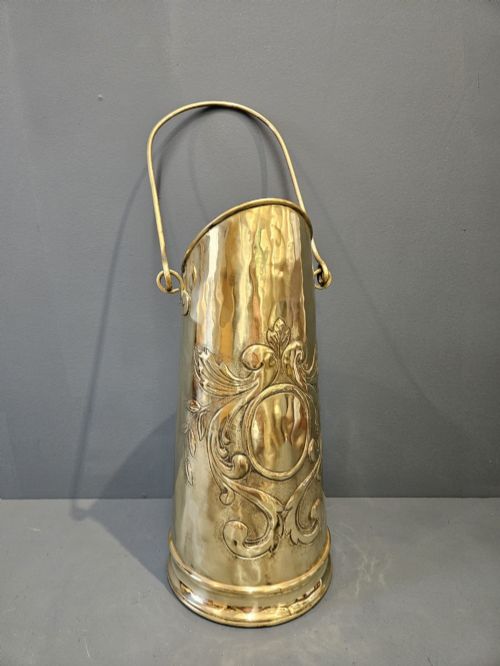
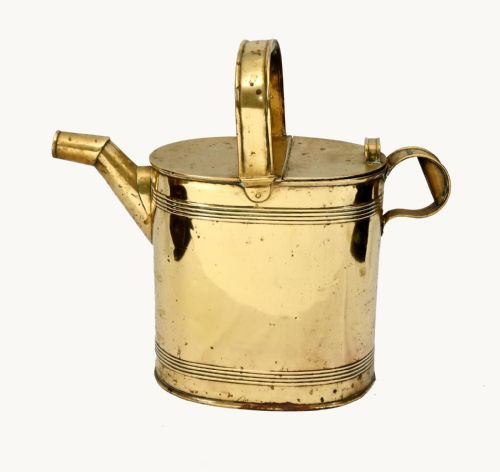
Vessels serving specific utilitarian roles, such as coal scuttles and watering cans, sit alongside purely decorative objects like trophy vases and twin-handled urns. Each piece reflects the functional or ornamental demands of its original domestic environment.
Materials and Techniques
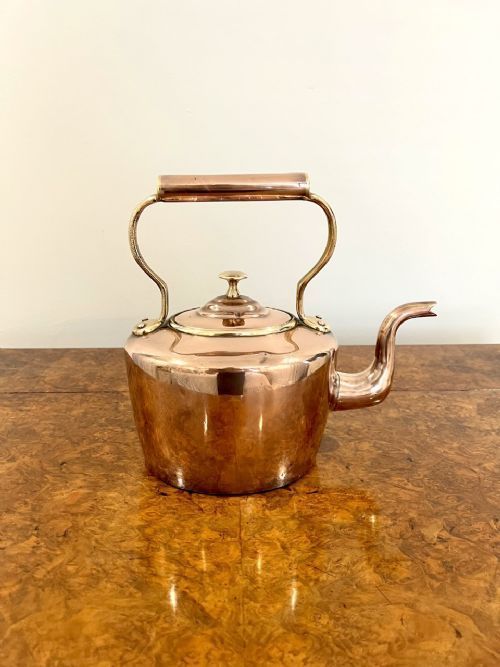
Fabrication relies primarily on sheet brass and cast brass elements, frequently supplemented by copper for kettles, samovars, and pans. Workshops utilised techniques such as hand-hammering, piercing, casting, and repoussé decoration to shape the metal.
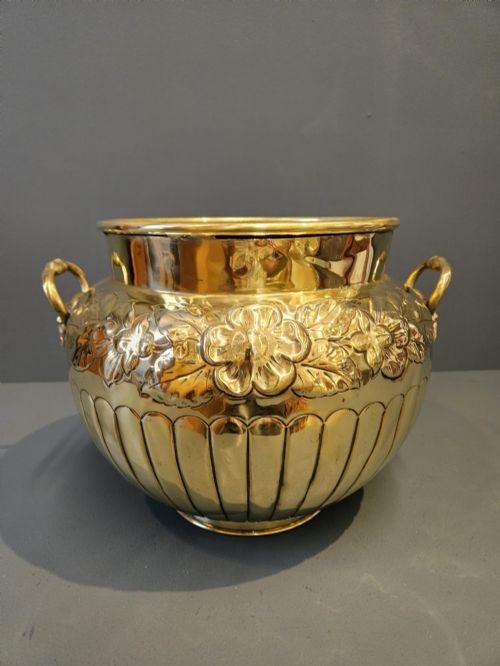
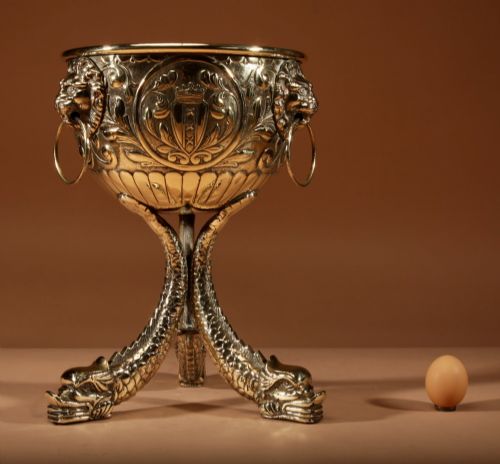
Surface ornamentation ranges from fretwork designs and applied crests to elaborate dinanderie embossing, creating textured relief patterns across the body of the vessels. Handles and feet often feature cast brass or bronze components securely attached to the main body.
The listings feature brass, copper, and bronze materials, encompassing periods from the Georgian era through to the Edwardian period.
Assessing Craftsmanship
Distinction in quality rests upon the weight of the metal gauge, the crispness of any embossed or pierced detailing, and the structural integrity of the joins. Heavier brass vessels with substantial wall thickness and robust handles demonstrate superior manufacturing standards.
Artisanal skill shows in the precision of decorative motifs, such as hand-pierced fretwork or cleanly cast handles, compared to mass-produced stamped alternatives. Original surface finishes and preserved polishing lines contribute further distinction to surviving examples.
The Polished Brass Vessels Glossary
- Dinanderie
- An umbrella term for objects made of brass or bronze, particularly applied to decorative vessels featuring embossed or inlaid designs. The word originates from the Belgian town of Dinant, known historically for its metalwork.
- Jardiniere
- An ornamental pot or stand designed to hold plants or flowers, typically manufactured from brass, copper, or ceramic. These vessels often sit on short feet and feature decorative handles.
- Samovar
- A heated metal container traditionally used to boil water for tea, usually fashioned from copper or brass with an internal vertical tube. Victorian examples often incorporate intricate tap mechanisms and sturdy pedestal bases.
- Repoussé
- A metalworking technique where the artisan hammers the material from the reverse side to form a raised design in relief on the front. This method frequently decorates nineteenth-century French and English planters.
Polished Brass Vessels: Frequently Asked Questions
What were brass vessels used for?
Polished brass vessels served multiple domestic functions ranging from heating water and containing coal to displaying houseplants and holding cut flowers. Many items, such as samovars and kettles, operated as functional kitchen or parlour equipment.
Other examples, including vases and trophy urns, existed purely for decorative display within period drawing rooms and reception spaces.
How do I clean polished brass?
Maintenance requires gentle cleaning with appropriate metal polishes designed specifically for brass to preserve the reflective surface without removing fine engraved or embossed details. Regular dusting and careful handling prevent the accumulation of tarnish in recessed areas.
Avoiding harsh abrasive cleaners protects the vintage patina and maintains the structural integrity of thin sheet metal vessels.
How can I tell Victorian brass apart?
Victorian brass pieces often display distinct manufacturing traits such as heavier metal gauges, riveted construction seams, and specific decorative styles including Gothic Revival or early Art Nouveau motifs. Examining the method of construction helps distinguish nineteenth-century examples from later reproductions.
Maker's marks or registration stamps, where present, provide definitive clues regarding the exact period of production.
Are these vessels waterproof?
Many brass vessels intended as planters or jardiniere include internal metal linings or possess soldered seams designed to hold moisture for live plants. However, testing containers before placing them directly on sensitive wooden furniture remains advisable.
Utilitarian items like watering cans and kettles were originally constructed to hold water, though soldered joints may require inspection over time.