
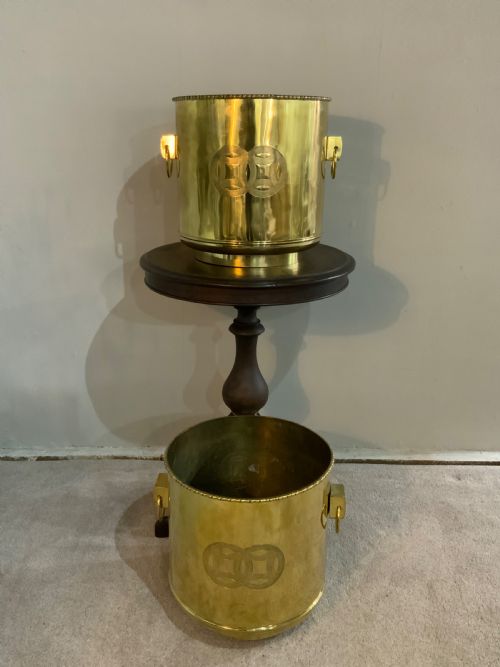


Chinese Brass Urn
These pieces termed chinese brass urn bring substantial metalwork into a room, combining heavy cast alloys with intricate surface decoration.
Chinese Brass Urn
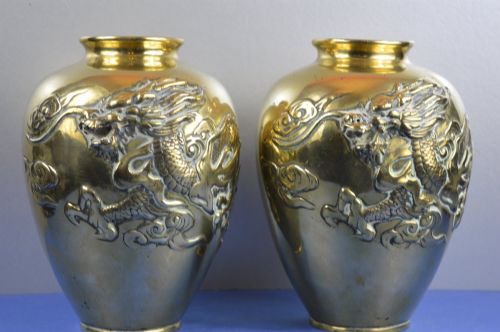
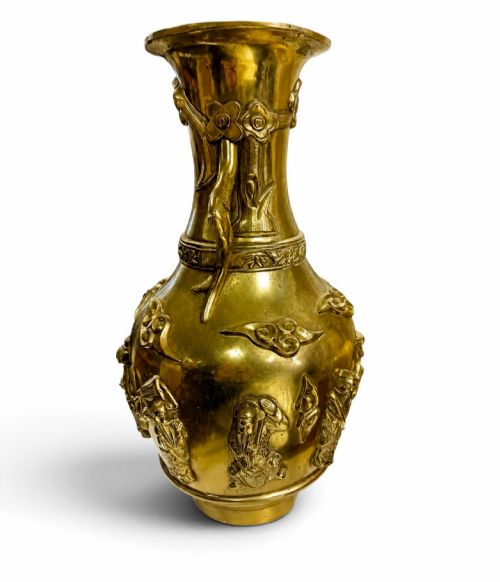
A chinese brass urn on this page typically manifests as a heavy baluster vase, jardiniere, or planter created in metal or copper-alloy. These items emerge from periods spanning the Victorian era through the early twentieth century, including Edwardian and Qing Dynasty contexts.
Makers adapted traditional forms into decorative vessels and table lamps, utilising brass alongside bronze, copper-alloy, enamel, and porcelain. The selection leans heavily toward pairs of vases and planters bearing oriental motifs and high-relief detailing.
Materials and construction
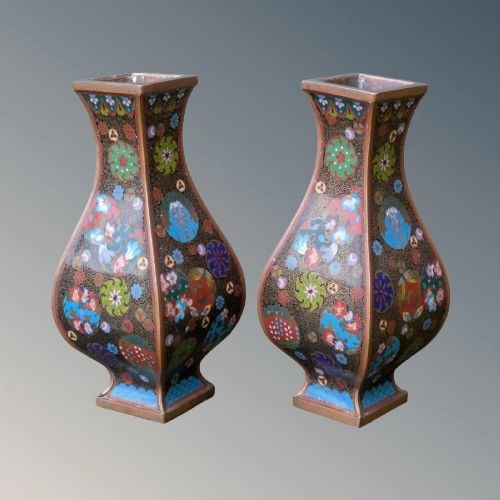
Craftsmen cast these metal vessels using brass, bronze, and copper-alloy, often incorporating heavy bases and twin-dragon handles. Surfaces receive detailed treatment through high-relief casting, champlevé, and cloisonné enamel work.
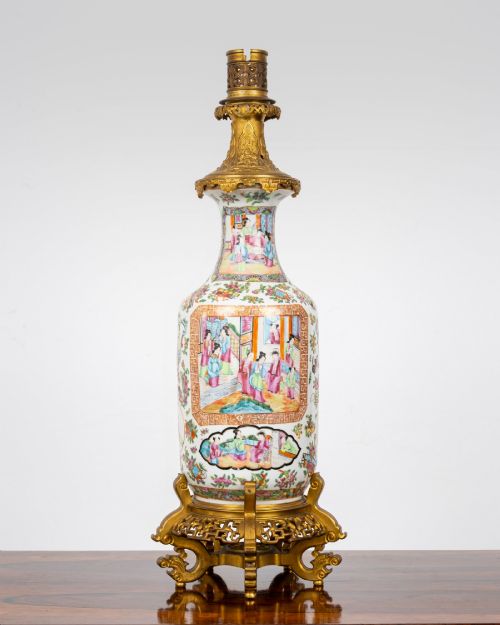
Secondary elements include gilt bronze mounts, wood stands, and porcelain bodies, uniting metalwork with traditional ceramic and cloisonné techniques.
Listings feature brass, bronze, and copper-alloy vessels from the nineteenth century, Edwardian period, and Qing Dynasty.
Evaluating quality
Distinctions in quality rest upon the crispness of the cast relief work and the precision of the enamel inlay. Heavier pieces with defined dragon motifs and intact base marks indicate superior workshop output.
The integration of secondary materials, such as fire gilding on bronze mounts and the complexity of cloisonné wirework, separates standard decorative vessels from exceptional examples.
The Chinese Brass Urn Glossary
- Cloisonné
- Enamelling technique where thin metal wires form raised cells on a metal body to hold coloured paste before firing. This method creates intricate patterns across the surface of vases and urns.
- Champlevé
- Enamelling method where troughs or cavities are gouged into a metal surface to receive enamel colour. The surrounding metal walls remain visible as part of the design.
- Baluster
- Architectural form resembling a pillar, featuring a rounded, swelling lower portion that tapers toward a narrow neck. Many large vases and urns follow this profile.
- Jardiniere
- Ornamental container designed to hold potted plants or flowers, frequently manufactured in heavy brass or bronze. These vessels often sit on dedicated stands.
- Archaistic
- Style that consciously imitates ancient forms, motifs, or bronzes from earlier dynasties. This approach appears frequently in nineteenth-century metalwork.
Chinese Brass Urn: Frequently Asked Questions
How were these metal vessels used?
These pieces functioned primarily as decorative vessels, jardinieres for plants, or posy vases within nineteenth and early twentieth-century interiors. Many examples from this selection have subsequently been adapted into table lamps.
Their heavy construction allowed them to support substantial floral arrangements or stand securely on tables and mantelpieces without tipping.
Are these items strictly from the Qing Dynasty?
The pieces span various periods, including the Qing Dynasty, late nineteenth century, and Edwardian eras. Some items reflect Chinese styles manufactured in European workshops.
Examination of the metal alloy, mounting techniques, and base marks assists in establishing the exact period of production.
Can these lamps be used safely today?
Many of these vessels have been converted into table lamps during past decades, with some listings noting recent rewiring. Buyers should have electrical components inspected by a qualified professional before connecting them to a modern power supply.
The original metal body remains unaltered while the internal wiring brings the lamp up to current standards.
What metals are typically found in these pieces?
The inventory records pieces made from brass, bronze, copper-alloy, and gilt metal. Enamel and porcelain frequently accompany the metalwork in cloisonné and mounted vases.
Weights vary significantly, with larger items exceeding five kilograms due to the density of the cast metal.