




Dragon Brass Vase
These dragon brass vase pieces combine cast metalwork with mythical beasts, offering striking display forms for period interiors.
Dragon Brass Vase
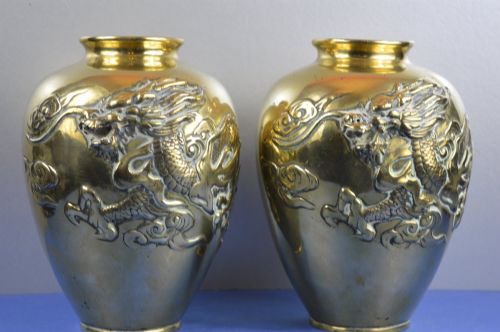
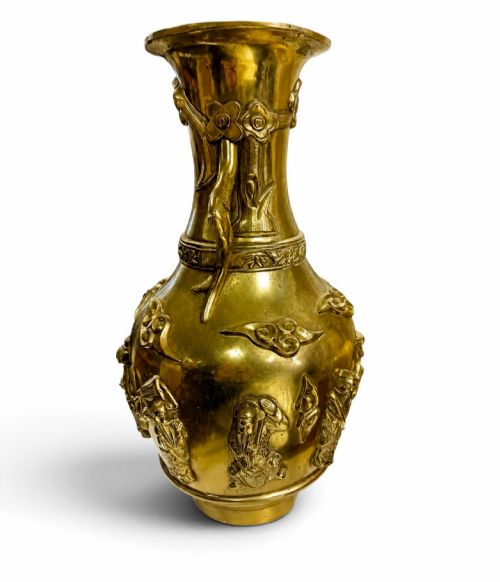
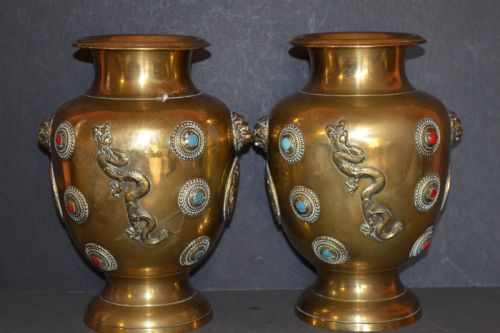
A dragon brass vase represents metalwork vessels produced across the nineteenth and early twentieth centuries, drawing heavily on Chinese Export, Qing Dynasty, and Victorian aesthetics. Buyers searching for a dragon brass vase typically encounter heavy cast bronze, copper-alloy, and brass vessels embellished with high-relief dragons and traditional motifs.
The selections available range from modest small brass vessels to substantial pairs featuring detailed dragons, often spanning Victorian, Meiji, and Edwardian periods. Many examples originate from Chinese workshops, while others reflect Tibetan, Nepalese, or European interpretations of oriental taste.
Materials and construction
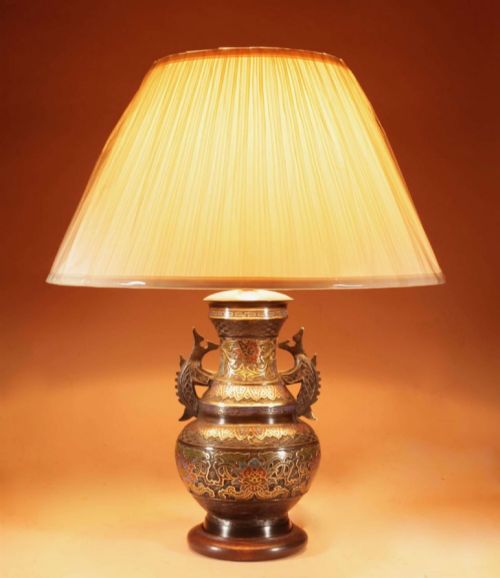
Makers utilised casting techniques in brass, bronze, and copper-alloy to achieve substantial vessels with high-relief ornamentation. Metalwork was frequently combined with enamel, cloisonné, or champlevé techniques to add colour and texture to the body of the piece.
Materials recorded across the inventory include brass, bronze, gilt bronze, copper, enamel, and wood.
Distinctions in quality
The integration of decorative techniques such as champlevé enamel or gilt bronze highlights superior craftsmanship. Weight and stability also contribute to the physical presence of the piece.
The Dragon Brass Vase Glossary
- Cloisonne Enamel
- A technique where thin metal wires are soldered to a metal base to create cells, which are then filled with enamel paste and fired. This method produces intricate, multi-coloured patterns across the surface.
- Champleve
- An enamelling process where troughs or cells are carved directly into the metal surface and filled with enamel before firing. It creates bold, flush patterns alongside exposed metal outlines.
- Baluster
- A vase form with a rounded body that tapers toward a narrow neck and flares slightly at the rim. It is a classic silhouette seen in many traditional metal vessels.
- High-Relief
- A sculptural technique where the figures project significantly from the background surface. On these pieces, dragons are often cast in this manner to create three-dimensional depth.
Dragon Brass Vase: Frequently Asked Questions
How do I date a brass dragon vase?
Dating relies on stylistic clues, manufacturing marks, and the specific casting methods used in the piece. Victorian, Edwardian, and Qing Dynasty examples each display distinct decorative conventions and patination.
Examining the underside and the sharpness of the relief work helps determine whether the vessel originates from the nineteenth century or later periods.
Are these vases always made of solid brass?
Many pieces are cast from brass, but the evidence shows substantial use of bronze, copper-alloy, and gilt bronze as well. Enamel and cloisonné additions are also frequent.
Some items combine metal bodies with wooden elements or were later adapted with electrical fittings to serve as table lamps.
Where were most dragon vases manufactured?
The listings demonstrate a strong presence of Chinese production, alongside Japanese, Tibetan, and European works made in the oriental taste. Export workshops catered to international demand throughout the nineteenth century.
Local European makers also produced interpretive pieces during the Victorian and Edwardian eras.
How should I clean an antique brass vase?
Antique metalwork benefits from gentle dusting with a soft dry cloth to preserve the historic surface patination. Harsh commercial polishes can strip away age and degrade detailed relief work.
Consulting a specialist conservator is recommended if deeper cleaning or maintenance is required.