


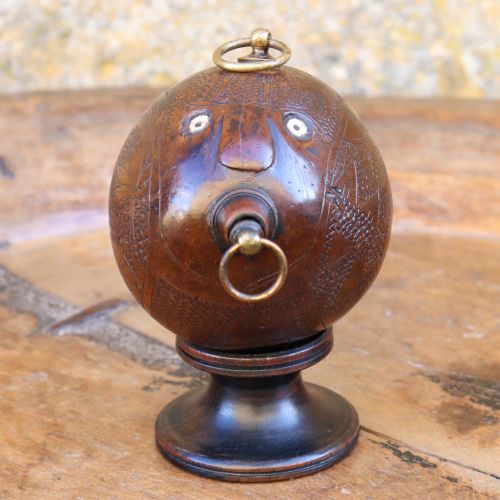


Carved Brass Vessel
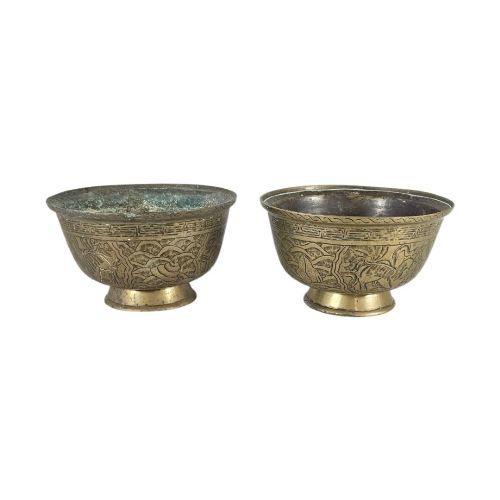
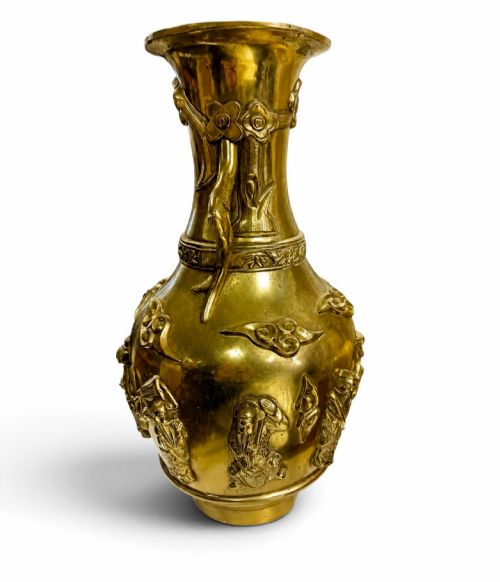
These carved brass vessel examples span nineteenth-century workshops and diverse global traditions, offering solid metal forms designed to hold water, ash, or flora.
Carved Brass Vessel
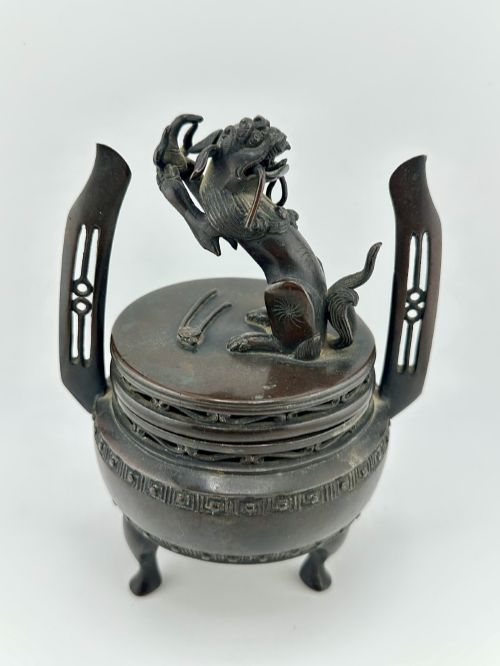
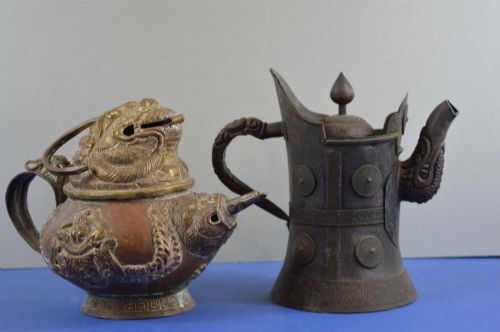
A carved brass vessel encompasses utilitarian and ritual containers shaped from copper alloys, bronze, and brass during the nineteenth and early twentieth centuries. These objects appear as heavy bowls, censers, jardinieres, vases, and ewers originating from Chinese, Indian, Dutch, and English makers.
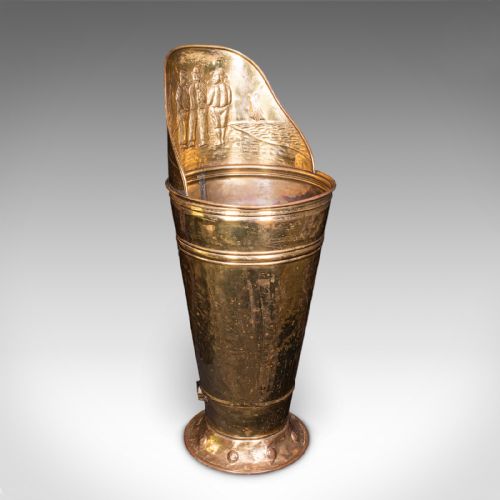
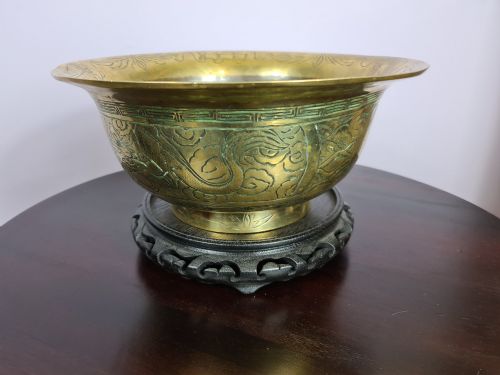
The version most commonly encountered on this page is the nineteenth-century Chinese bronze or brass bowl and jardiniere, frequently decorated with high-relief motifs or tripod supports. Alongside these, buyers find Indian Raj period vessels and European domestic coal bins or umbrella stands.
Makers utilised casting, hammering, and hand-chasing to produce items intended for scholars' studios, ceremonial spaces, and country house firesides. Each form reflects the specific decorative vocabulary of its period, from Qing Dynasty symbolism to Victorian domestic utility.
How they were made
Metalworking techniques for these pieces rely heavily on traditional casting, particularly lost-wax methods for intricate bronze censers and vases. Artisans then refined the heavy metal bodies using hand-chiselling, piercing, and deep chasing to bring out detailed figures and foliage.
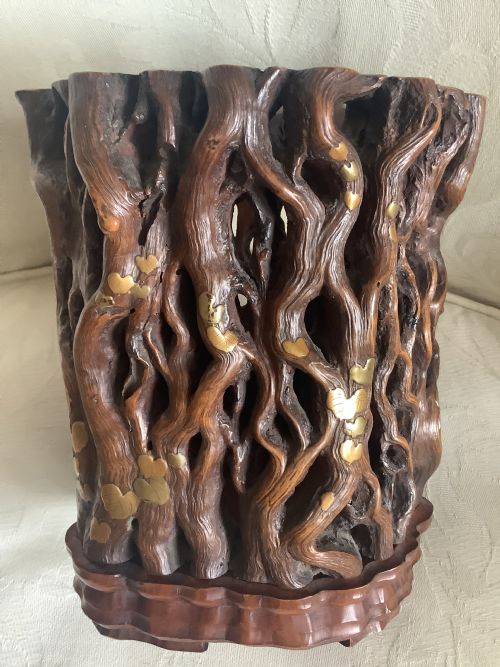
Materials span copper alloys, brass, and bronze, often paired with secondary elements like hardwood bases, coconut shell, bone, and copper. The heavy weight of the items on this page demonstrates substantial metal content rather than thin plating.
One nineteenth-century vessel is fashioned from a carved coconut flask with a bug bear motif.
What varies in quality
Quality in a carved brass vessel rests on the crispness of the hand-chased surface work and the thickness of the metal casting. Heavy bronze and brass pieces with deeply defined relief decoration command attention over lighter, thinly stamped alternatives.
The integration of secondary materials, such as fitted wooden bases or well-executed marks like the Xuande base mark, distinguishes standard production items from finer studio or ceremonial pieces.
The Carved Brass Vessel Glossary
- Censer
- A vessel designed for burning incense during rituals or in scholars' studios. These often feature tripod legs and pierced lids.
- Jardiniere
- An ornamental pot or stand used to hold growing plants or flowers. They frequently appear in heavy brass or bronze during the Victorian period.
- Chasing
- A metalworking technique where the artisan taps the front surface with punches to create low-relief decoration without removing metal.
- Cloisonne
- An enamelwork technique where wires are soldered to a metal base to create compartments filled with coloured paste and fired.
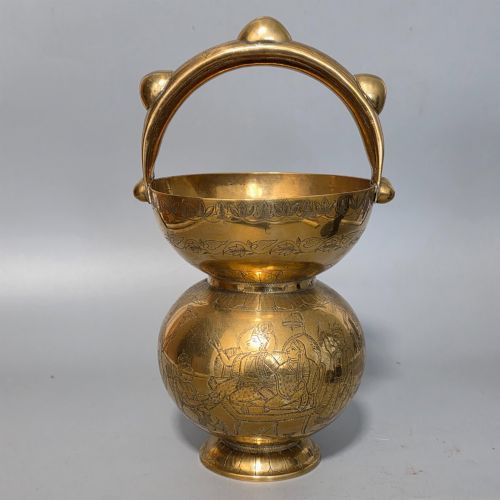
- Kamandal
- A traditional spherical water carrier or pot used in Hindu rituals, often fashioned from brass or copper.
Carved Brass Vessel: Frequently Asked Questions
What were carved brass vessels used for?
These metal containers served both practical and ceremonial functions across different cultures. Many acted as vessels for water, tea, or coal, while others functioned as incense burners and planters.
Scholar pieces held brushes or ash, whereas larger basins stood in reception rooms and gardens to hold plants or cut flowers.
How do I identify a Chinese bronze censer?
Chinese censers typically feature heavy cast bronze construction, often supported by three feet and topped with a pierced cover. Look for traditional motifs such as qilin finials, dragons, and birds amongst lotus patterns.
Many examples also bear Xuande-style base marks relating to the historic Ming emperor, though these often date from the nineteenth century.
Are these vessels made of solid brass?
The items listed here are constructed from solid metal alloys, including brass, bronze, and copper. They often possess significant weight, sometimes exceeding several kilograms.
Some pieces incorporate mixed materials, such as copper bodies paired with hardwood stands or coconut shell elements.
How do I care for antique brass and bronze?
Antique metalwork benefits from gentle dusting with a soft dry cloth to prevent the accumulation of dirt in recessed carved areas. Avoid aggressive metal polishes that strip away historic patination.
Keeping the pieces away from excessive moisture preserves the natural surface colours developed over the nineteenth century.