




Chinese Gilt Bronze
Chinese gilt bronze pieces span centuries of metalworking, bringing rich surface gilding and intricate casting to decorative objects and vessels.
Chinese Gilt Bronze
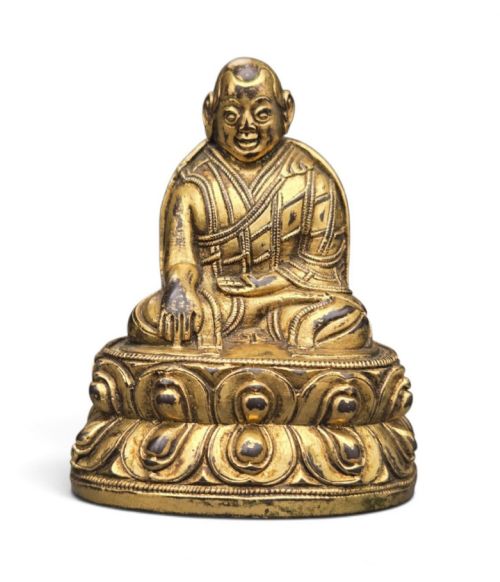
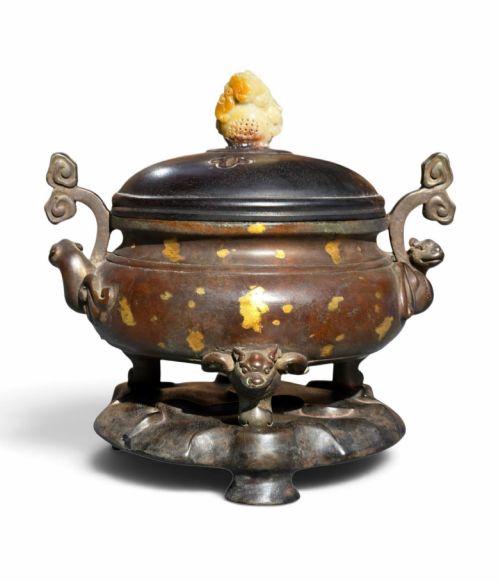
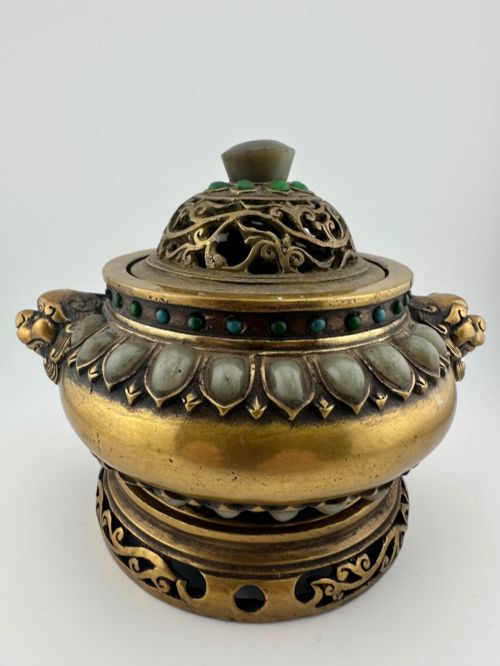
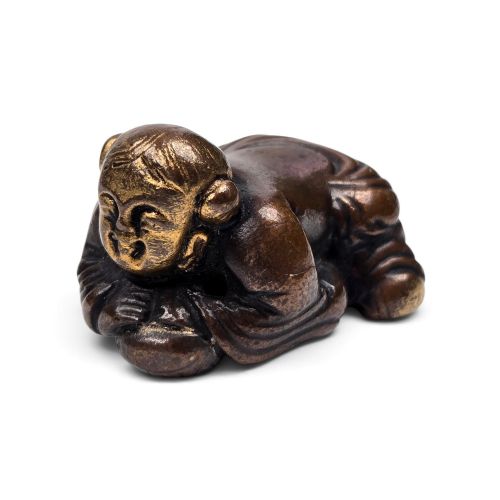
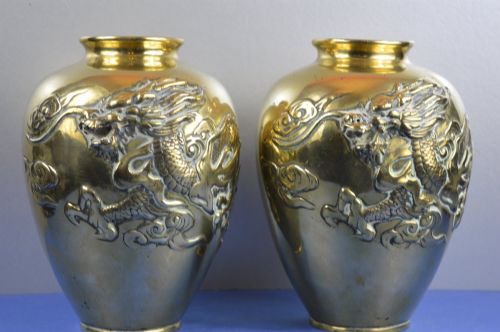
When you search for chinese gilt bronze, you are looking at items that range from miniature figures and scholarly desk paperweights to large ritual censers, vases, and temple lions. These metal objects display centuries of craftsmanship, often incorporating cast forms with applied fire-gilding or gilt-splash techniques.
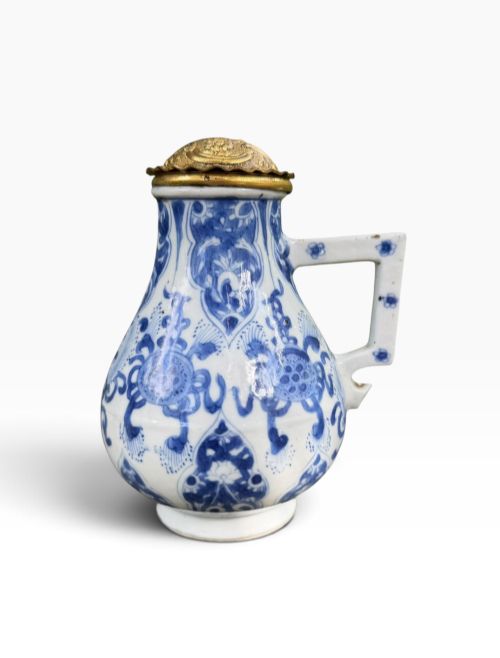
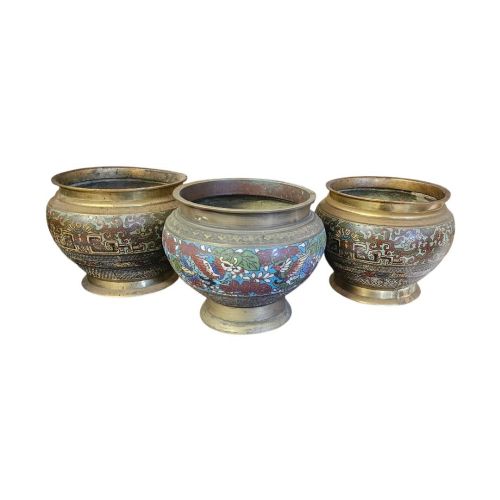
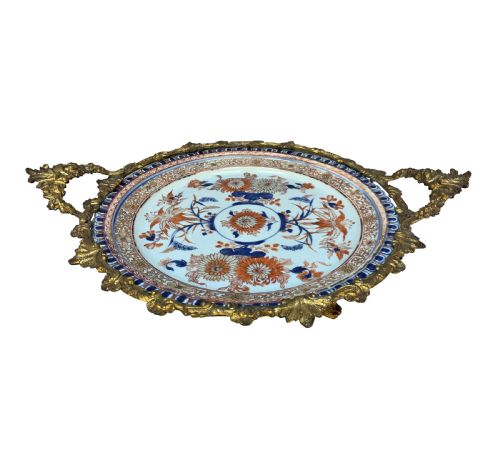
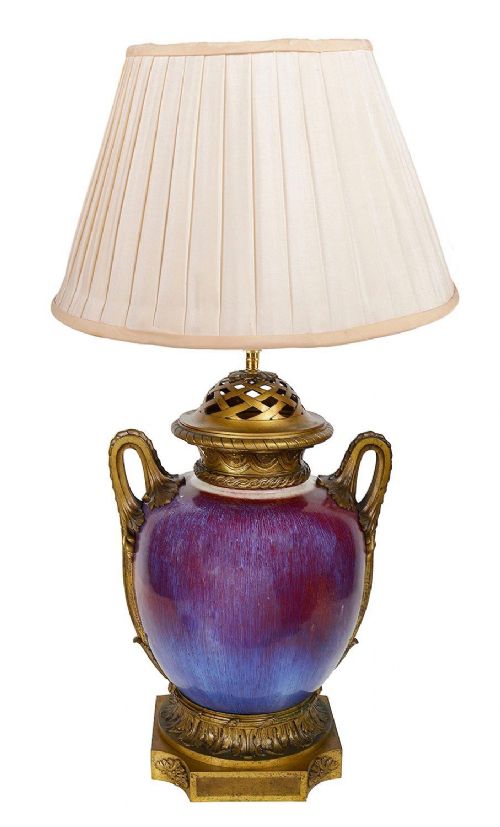
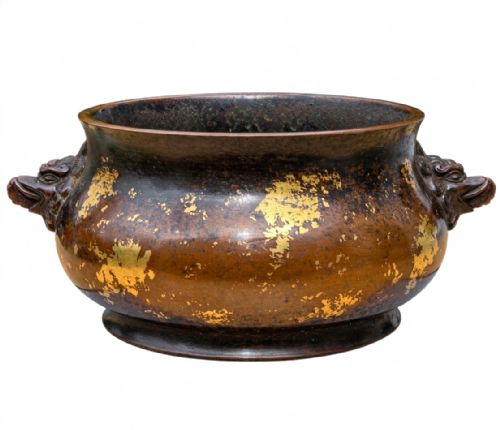
The versions you are most likely to meet on this page include 19th-century table lamps mounted in ormolu, cloisonné enamel vessels, and heavy bronze censers bearing traditional motifs like the taotie mask. Alongside solid metalwork, many listings feature porcelain bodies paired with gilt metal mounts.
Pieces span multiple periods, from the 16th century of the Ming Dynasty through the Qing Dynasty and into the early 20th century. Alongside Chinese domestic items, you will find Sino-Tibetan works and European adaptations like French rococo or Chinese export styles.
Materials and technique
Makers utilised bronze, brass, and gilt metal as foundations for casting intricate shapes, ranging from figurative sculptures to architectural vessels. Surface treatments involved selective fire-gilding and decorative gilt-splashing to create varied textural contrast against the dark metal base.
Many items incorporate cloisonné enamel, champlevé enamel, and hardstone inlays directly into the bronze framework. Porcelain elements in families such as Famille Rose, Famille Verte, and blue and white are frequently combined with cast ormolu mounts.
Listings feature items spanning the 16th century to the mid-20th century, encompassing Ming and Qing dynasties alongside Victorian and Edwardian adaptations.
Assessing quality
Quality rests upon the crispness of the initial casting and the weight of the metal. Heavier, solid-cast pieces with deeply defined details show superior workmanship compared to lighter, hollow alternatives.
The application and retention of the gilding dictate visual success. Even, durable fire-gilding or intentional gilt-splashing that integrates harmoniously with the bronze indicates a higher standard of production.
The Chinese Gilt Bronze Glossary
- Gilt bronze
- Metal objects treated with a thin layer of gold using fire-gilding or leaf application. This technique protects the underlying bronze while providing a brilliant golden sheen.
- Ormolu
- Finely ground high-carat gold applied to a bronze base, commonly associated with decorative mounts on lamps and porcelain. It was widely utilised in European and export adaptations.
- Cloisonne enamel
- Metalwork decorated by adding compartments to the metal body and filling them with coloured glass paste before firing. The surface is then polished smooth.
- Censer
- A vessel designed for burning incense during rituals or for domestic fragrance. Examples often feature tripod feet and pierced covers.
- Jue
- An ancient style of tripod wine vessel featuring an outbound lip and two protruding posts. Later iterations revive this archaic form in bronze or enamel.
Chinese Gilt Bronze: Frequently Asked Questions
What is chinese gilt bronze?
Chinese gilt bronze refers to metal objects, figures, and vessels made from bronze and coated with a layer of gold. These items include both ritual bronzes and decorative household pieces.
Craftsmen used techniques like fire-gilding to adhere gold to the metal surface, creating durable and gleaming finishes that have survived for centuries.
How were incense burners used?
Incense burners, or censers, served both practical and ritual purposes in Chinese homes and temples. They held aromatic resins or woods to perfume rooms and clear the air.
Many featured fitted, pierced covers that allowed fragrant smoke to escape gracefully while containing the hot embers inside the heavy bronze bowl.
How do I identify periods?
Identifying periods relies on examining the casting style, the wear on the metal, and the specific decorative motifs used. Earlier Ming pieces often display heavier, robust casting with archaic references.
Later 19th-century examples frequently combine bronze with porcelain or mount ceramic vases as lamps, reflecting changing domestic tastes and export markets.
Can I use these as lamps?
Many items listed as Chinese gilt bronze are historical vases or jars that were subsequently converted into table lamps. These conversions often utilise ormolu mounts to secure electrical fittings.
They allow you to live with antique porcelain and bronze work while serving a modern functional purpose in a room's lighting scheme.