


Antique Tibetan Bronze Figures
Antique tibetan bronze figures are cast metal deities and temple guardians that bring centuries of ritual devotion straight into your collection.
Antique Tibetan Bronze Figures
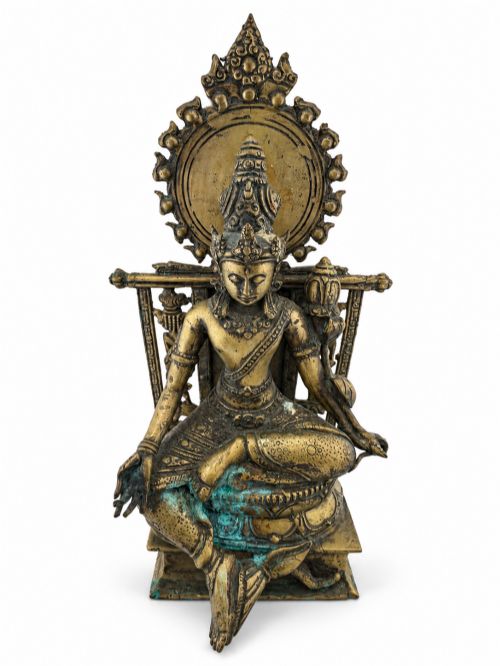
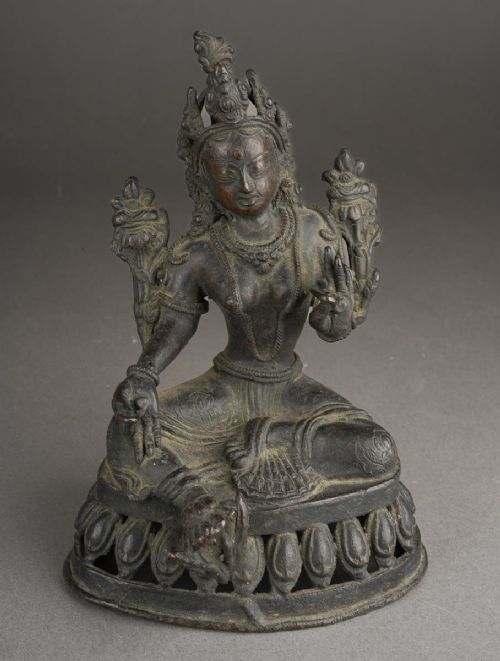
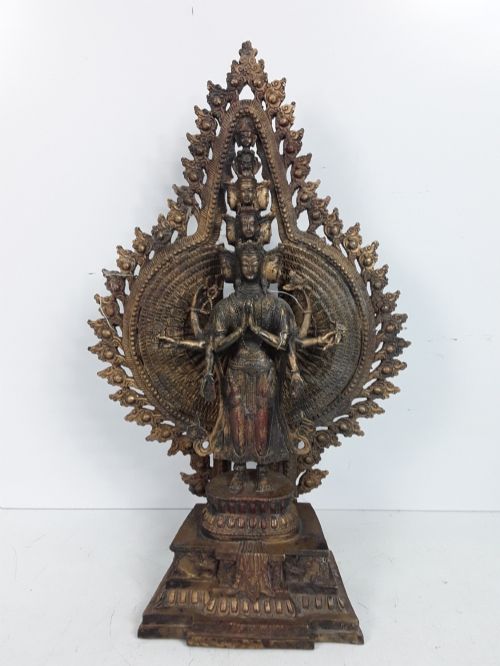
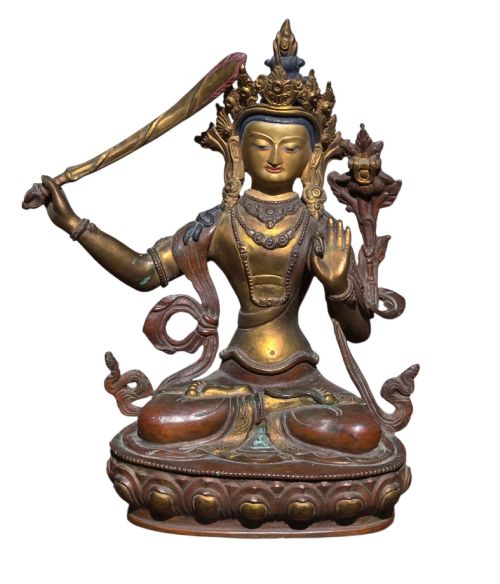
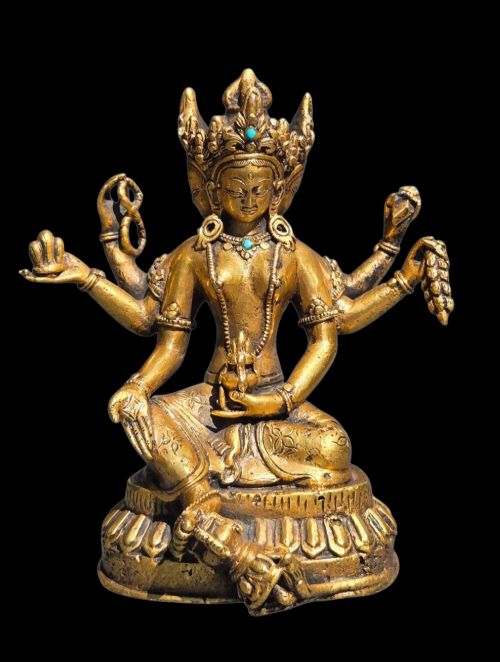
When searching for antique tibetan bronze figures, collectors encounter cast metal deities, multi-armed figures, and temple temple lions originating from Tibetan, Sino-Tibetan, and Himalayan traditions. These pieces take the form of shrines, statues, and sculptural icons representing Buddhist and Hindu subjects.
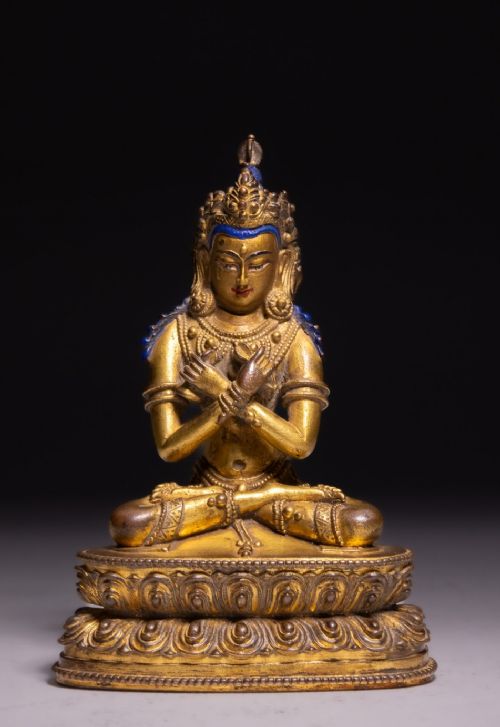
The selections span centuries from the seventeenth century through to the early twentieth century, incorporating periods like the Victorian era alongside traditional Asian datings. Buyers frequently meet figures of Tara, Avalokiteshvara, Manjushri, Vajradhara, and Garuda amongst the available forms.
Originating from regional workshops and shrines, these sculptures range from modest household shrine pieces to large temple figures weighing many kilograms. The presence of specific deities guides the identification of each sculptural work.
Assessing quality in cast bronzes
Quality rests in the crispness of the metal casting, the depth of the chisel work on ornamentation, and the preservation of original fire gilding and applied pigments. Superior examples display refined facial expressions and precise anatomical proportions.
The presence and integrity of original mineral inlays such as turquoise and coral distinguish finer devotional sculptures from simpler cast pieces. Weight, scale, and the complexity of multi-armed iconographic details also separate standard works from exceptional ones.
The inventory includes multi-armed deities, temple lions, and figures associated with Sino-Tibetan and Buddhist artistic traditions.
The Antique Tibetan Bronze Figures Glossary
- Gilt Bronze
- Metal alloy coated with a thin layer of gold, often using a mercury amalgamation technique. This finish provides a lasting golden sheen across the sculpture.
- Avalokiteshvara
- A bodhisattva who embodies the compassion of all Buddhas, frequently depicted with multiple heads or arms. This deity is central to Tibetan Buddhist practice.
- Tara
- A female meditation deity in Tibetan Buddhism representing compassion and liberation, commonly shown seated or standing in shrine statues. She appears frequently in Himalayan art.
- Jambhala
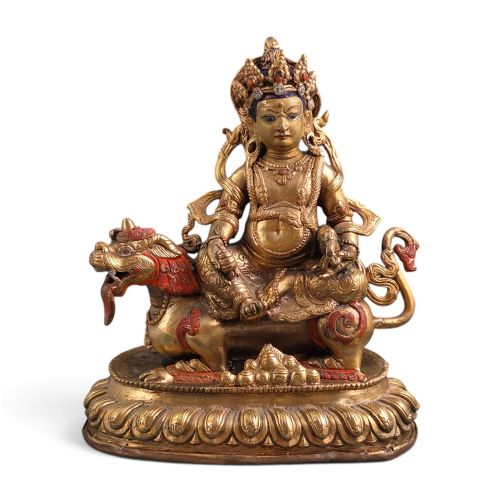
- A deity of wealth and guardian king in Buddhist tradition, often seated upon a lion. Sculptures of this figure emphasise strength and abundance.
- Turquoise
- A blue-green mineral used extensively for inlay work on ritual bronzes and deity ornaments. It adds vivid colour accents to the metallic surfaces.
Antique Tibetan Bronze Figures: Frequently Asked Questions
What do these bronze figures represent?
These sculptures represent Buddhist and Hindu deities, bodhisattvas, and temple guardians intended for ritual and devotional use. They embody spiritual qualities and serve as focal points for meditation.
Subjects range from peaceful figures like Tara and Avalokiteshvara to fierce protectors and temple lions. Each iconographic detail carries specific religious meaning within Tibetan traditions.
How do I care for antique bronze?
Maintain these pieces in a stable environment away from excessive moisture and direct sunlight to protect fragile pigments and mineral inlays. Dust gently with a soft, dry brush.
Avoid using commercial metal polishes or harsh chemical cleaners, as these will strip away historic gilding and patination. Preserving the natural surface is essential for maintaining integrity.
Where were these figures displayed?
Original locations included domestic household shrines, large monastic complexes, and temples across Tibet, Nepal, and the Himalayan region. Large temple lions guarded entryways.
Smaller figures were made for personal devotion and portable shrines used by travelling practitioners. Their placement reflected their sacred function within daily worship.