


Bronze Foo Dogs
Bronze foo dogs are mythical guardian figures cast in metal to protect sacred and domestic spaces, prized for their imposing presence and rich surface patination.
Bronze Foo Dogs
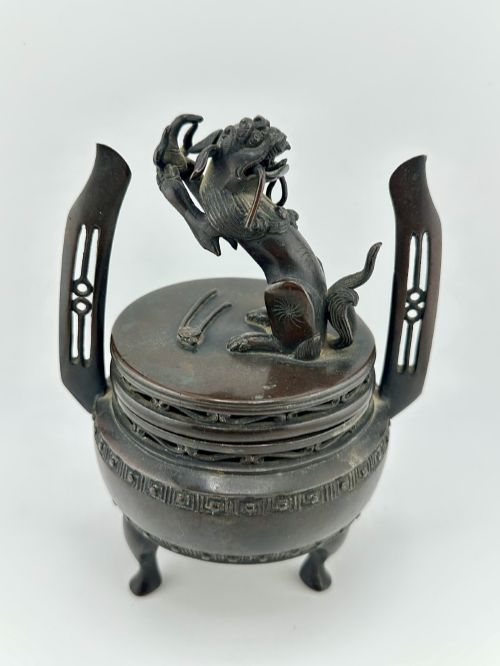
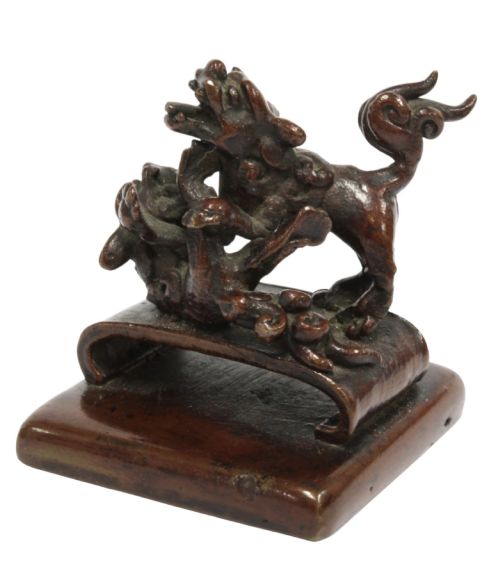
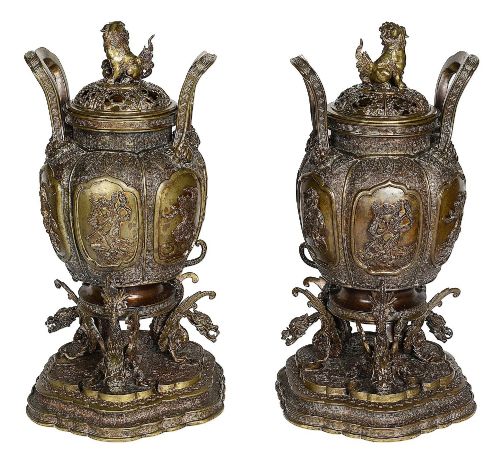
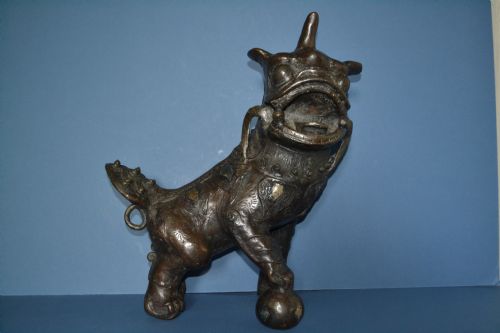
When you search for bronze foo dogs, you encounter guardian lions and temple figures shaped in various forms, from incense burners and seals to large temple statues. These pieces frequently appear in styles connected to the Qing Dynasty, Ming Dynasty, and Meiji Period, as well as Tibetan Buddhist art and Southeast Asian traditions.
The objects take many shapes, including lidded censers featuring lion finials, heavy pairs of temple door hardware, and figural sculptures. Most examples belong to the nineteenth century, though earlier seventeenth-century scholar pieces and twentieth-century gilt bronze pairs also surface in the listings.
How they were made
Makers occasionally combined cast metal bodies with secondary elements of wood and mirrored glass to achieve specific decorative effects. The resulting objects display varied surface treatments, ranging from dark natural patinas to rich layers of fire gilding.
Listings feature pieces from the Ming Dynasty, Qing Dynasty, and Meiji Period, utilising bronze, brass, and cloisonne enamel.
What varies in quality
The distinction between average foundry work and exceptional pieces lies in the crispness of the casting and the sensitivity of the modelling. Superior examples exhibit sharply defined manes, powerful musculature, and balanced proportions that reflect the sculptural standards of their period.
Surface finish and material richness further separate the range, with careful chasing, integrated inlays, and stable historic patinas elevating a piece. Pieces that retain their original lids, covers, or matched pairs command greater attention from collectors.
Unno Shomin
The Bronze Foo Dogs Glossary
- Foo dog
- A Western term for the guardian lions or shishi that traditionally stand outside temples and palaces to ward off malevolent spirits. These mythical beasts combine the majesty of the lion with the loyalty of the dog.
- Censer
- A vessel designed for burning incense, frequently fitted with a removable cover and topped with a guardian lion finial. These containers appear in various bronze and cloisonne formats.
- Patina
- The surface coloration and texture developed through age, handling, or intentional chemical treatment. A stable patina indicates the historical passage of time on metal surfaces.
- Cloisonne
- An enamelwork technique where metal wire creates raised compartments on a base, which are then filled with coloured paste and fired. This method produces intricate decorative patterns across vessels and urns.
- Okimono
- A Japanese decorative statue intended for display in an interior setting. These sculptures demonstrate high levels of metalwork skill from the Meiji period.
Bronze Foo Dogs: Frequently Asked Questions
What is a foo dog?
A foo dog is a traditional guardian lion figure placed at thresholds to provide protection and ward off evil influences. These mythical creatures combine characteristics of real lions with stylized artistic conventions.
In Asian art traditions, they serve as symbolic protectors of sacred buildings, tombs, and elite homes. Pairs typically comprise a male holding a brocade ball and a female restraining a cub.
How were bronze foo dogs used?
Many bronze foo dogs served as incense burners, where aromatic smoke drifted through the fitted covers of censers. Others functioned as heavy door plates, scholar seals, or freestanding temple statues.
Smaller figures sat upon scholar desks for contemplation, while massive matched pairs stood directly on temple floors or entrances. Their dual role combined practical function with ritual protection.
How do I care for bronze?
Bronze requires minimal intervention, needing only a gentle dusting with a soft, dry cloth to prevent particulate buildup. Avoid using commercial metal polishes, abrasive cloths, or liquid cleaners that strip historical patinas.
Keep pieces away from excessive moisture and direct sunlight to preserve the original surface tones. Stable indoor humidity protects inlaid elements like gold or glass from loosening.
How can I tell the period?
Dating relies on observing casting techniques, surface patination, stylistic conventions, and material combinations. Qing and Ming dynasty pieces display specific casting weights and decorative motifs distinct from later nineteenth-century works.
Examining the underside, tool marks, and wear patterns helps establish the age of the metal. Comparing the sculptural style against documented period examples provides further clarity.