



Oriental Guardian Lions
Oriental guardian lions are symbolic figures cast, carved or moulded to protect sacred and domestic spaces.
Oriental Guardian Lions
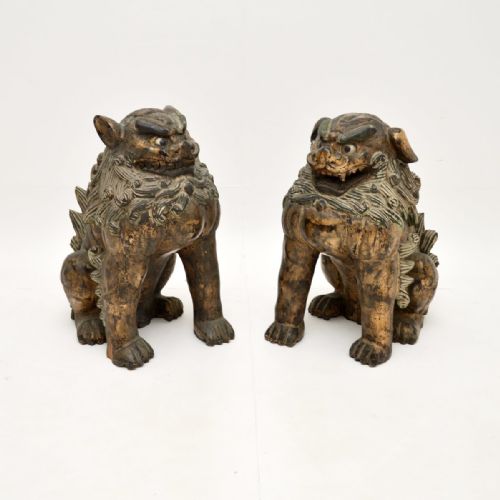
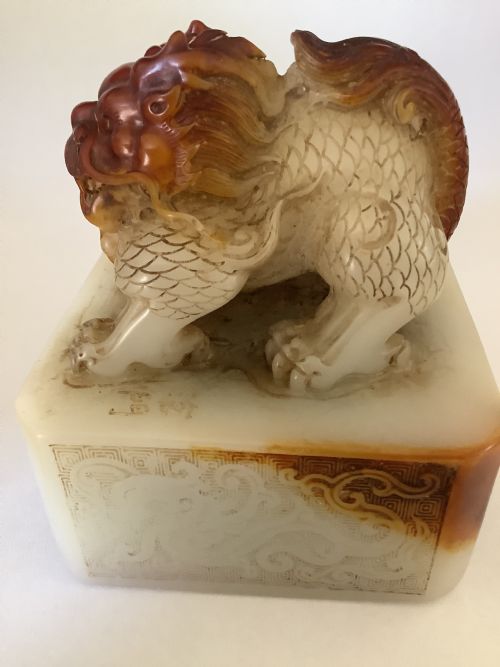
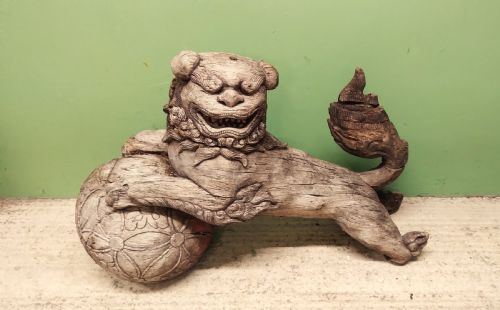
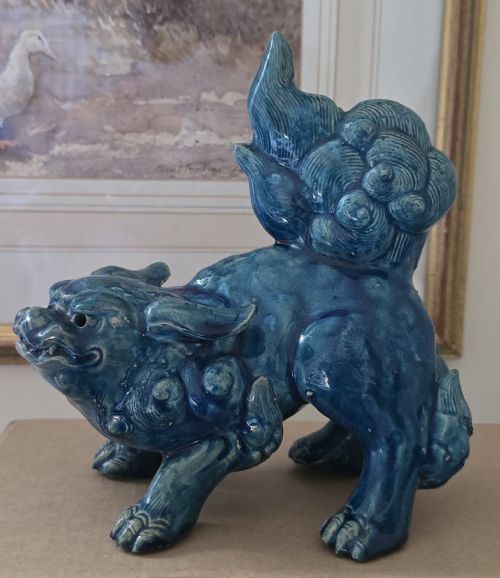
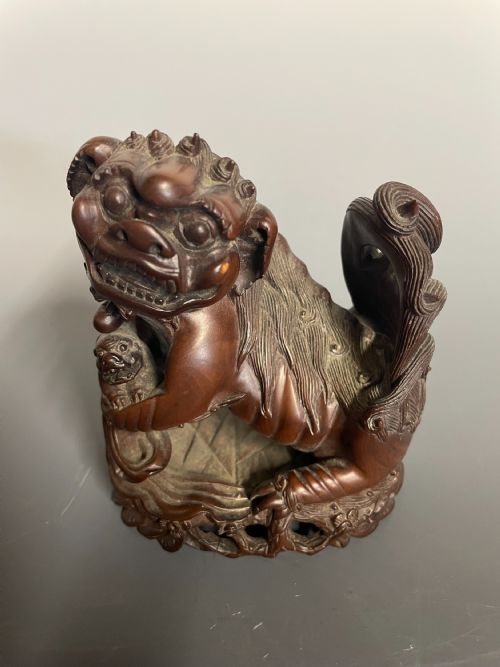
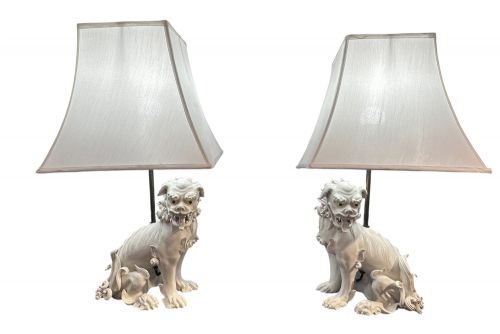
Oriental guardian lions, frequently known as foo dogs, shishi or temple guards, appear across this collection in varied forms and materials. These protective figures emerge from Chinese, Japanese and Tibetan traditions, taking the shape of statues, bookends, desk seals, lamps and incense burners.
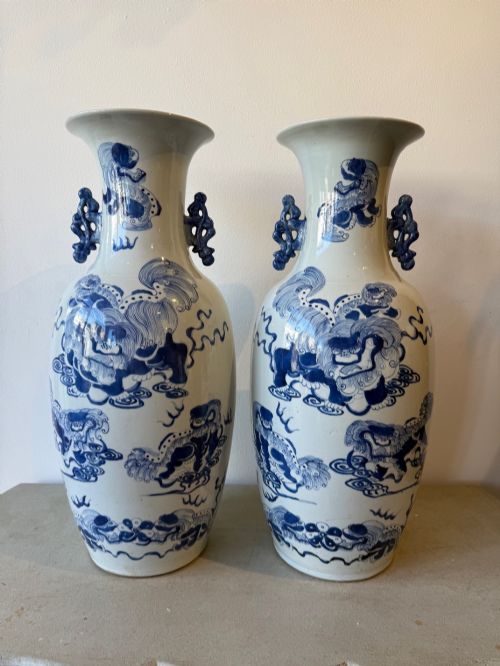
Buyers encounter pairs of carved wood figures, glazed porcelain sculptures and heavy bronze temple guards originating from the eighteenth century through to the early twentieth century. The selection spans distinct regional interpretations, including Chinese Qing dynasty works and Japanese Meiji period models.
Materials and Techniques
Craftsmen shaped these guardian figures through carving, casting and moulding in diverse mediums such as bronze, brass, boxwood, root wood, soapstone and stone. Metal pieces utilise lost-wax casting methods or detailed plate fabrication, while wooden examples rely on precise hand carving.
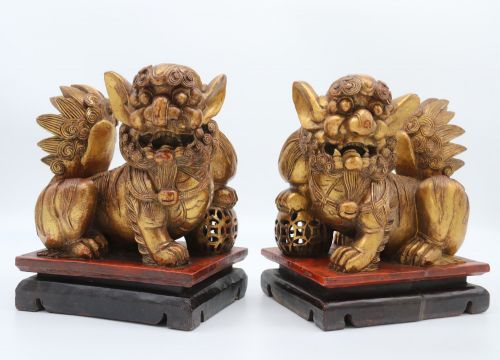
Surface treatments define many pieces, incorporating turquoise, pale green or sancai glazes on ceramic and porcelain bodies, alongside gilt applications, lacquer finishes and blue and white enamel decoration.
Listings feature guardian lions rendered in eight distinct materials, including bronze, porcelain, soapstone and root wood across multiple centuries.
Evaluating Quality
Quality rests upon the crispness of the carving and the fidelity of the casting, where deeper tool marks and sharply defined muscular forms distinguish superior sculptural work. The integration of the material, whether the natural grain of root wood or the even application of glaze on porcelain, dictates the refinement of the piece.
Proportion and stance elevate certain pairs, particularly where the balance between the protective male with a ball and the female with a cub reflects traditional iconography with authority and presence.
The Oriental Guardian Lions Glossary
- Foo Dog
- A colloquial Western term for Chinese guardian lions, which are actually stylised depictions of lions rather than dogs. They traditionally stand outside imperial palaces, temples and homes to ward off malevolent spirits.
- Shishi
- The Japanese term for a stone lion or Buddhist lion, often rendered in porcelain, pottery or bronze during the Edo and Meiji periods. These figures share roots with Chinese temple guardians but display distinct regional artistic conventions.
- Shiwan
- A style of Chinese pottery known for expressive modelling and varied reactive glazes, frequently produced in Guangdong province. Pieces from this tradition display thick, colourful surface treatments.
- Sancai
- A three-colour glaze technique characteristic of Chinese ceramics, typically combining amber, green and creamy white tones. This traditional method creates mottled, overlapping effects across the surface of the sculpture.
- Blanc de Chine
- A French term for white porcelain originating from Dehua in Fujian province, noted for its smooth, ivory-coloured glaze. Figures rendered in this material highlight purity of form without enamel distraction.
Oriental Guardian Lions: Frequently Asked Questions
What is the difference between a lion and a foo dog?
Oriental guardian lions represent symbolic lions derived from Buddhist iconography, despite their Western nickname of foo dogs. They were originally modelled on actual lions brought to the Chinese imperial court from Central Asia.
Over centuries, local artists adapted the anatomy into a stylised guardian beast with curly mannes and fierce expressions, retaining the protective symbolism regardless of the domestic moniker.
How do I display guardian lions at home?
Traditional placement positions a matched pair flanking an entrance, fireplace or mantelpiece to maintain symbolic balance. The male typically holds a embroidered ball under his paw while the female restrains a playful cub.
Smaller examples function effectively as bookends on a shelf or as decorative desk seals and incense burners within a study.
How are Japanese shishi different from Chinese lions?
Japanese shishi figures, often produced during the Meiji period, tend to exhibit distinct ceramic styles such as Kutani enamels or Hirado porcelains. They frequently display leaner postures and meticulous decorative surface details.
Chinese guardian lions more commonly appear in massive bronze, heavy carved wood or sancai-glazed pottery designed for temple guard duties.
How do I date an antique guardian lion?
Dating relies on examining the material composition, tool marks and glaze characteristics consistent with documented periods like the Qing dynasty or Meiji era. Wood patina, casting seams on bronzes and crazing on ceramic glazes offer physical indicators of age.
Comparing the sculptural style against established regional traditions helps narrow the decade of manufacture.