
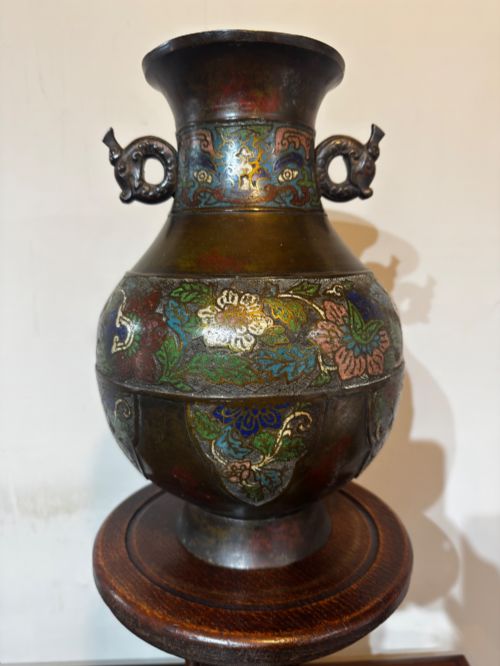

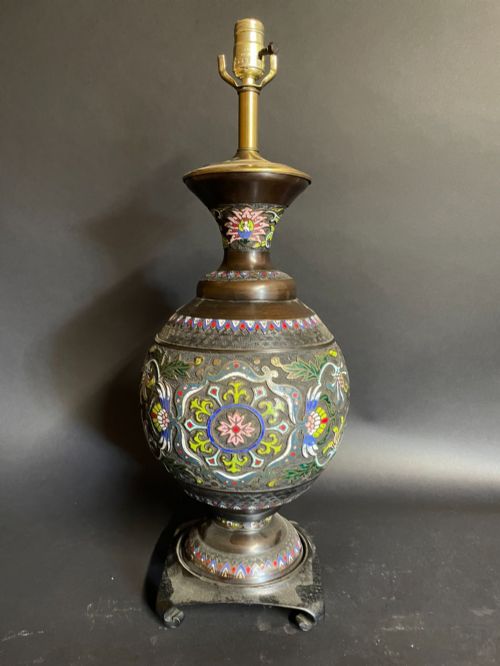


Chinese Floral Cloisonne
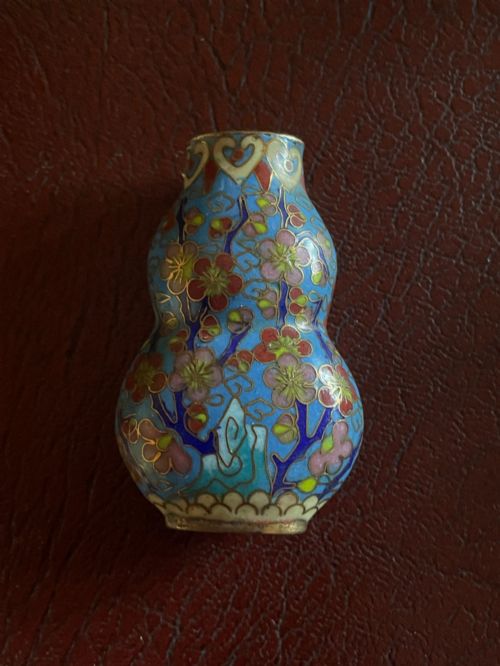
Chinese floral cloisonne brings intricate wirework and vibrant coloured enamels into your rooms, offering lasting decorative charm through centuries-old metalcraft traditions.
Chinese Floral Cloisonne
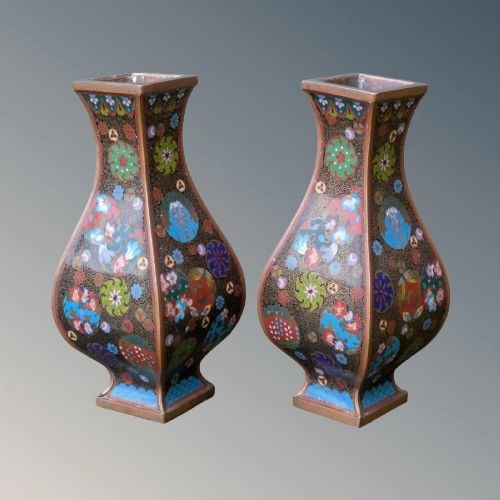
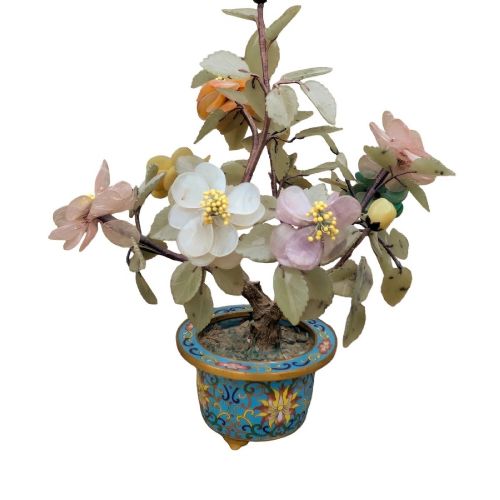
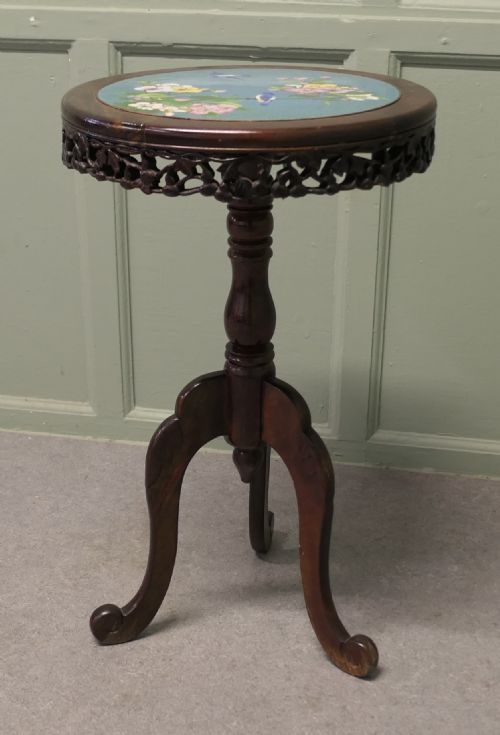
When searching for chinese floral cloisonne, buyers encounter an array of decorative objects including vases, jardiniere bowls, and table lamps that display meticulous botanical motifs.
The pieces on this page span the nineteenth and early twentieth centuries, capturing the enduring appeal of Qing period styles and later export wares.
Vases and lidded vessels dominate the selection, frequently featuring birds and flowers rendered in bright, metallic cells.
Judging quality in cloisonne
Finer examples display exceptionally delicate and uniform wirework, where the metal lines tracing the petals and leaves remain crisp and even throughout.
The richness and depth of the enamel filling distinguish superior workmanship, showing smooth colour transitions and minimal pitting across the surface.
Heavier base metals, such as substantial bronze or gilt metal foundations, indicate a higher grade of production compared to lighter, thinner vessels.
Among the delicate floral patterns and quiet birds, a solitary ceramic tea pot appears in navy blue and gold.
The Chinese Floral Cloisonne Glossary
- Cloisonne
- A decorative metalwork technique where thin wires are soldered to a metal base to create cells filled with enamel. This method produces vivid patterns defined by fine metallic outlines.
- Champleve
- An enamelling technique where troughs or cavities are cast or carved into a metal surface to hold the enamel. It differs from cloisonne by sinking the design directly into the metal.
- Jardiniere
- An ornamental pot or stand designed to hold plants or floral arrangements. These large vessels often feature prominent decorative borders and motifs.
- Tazza
- A shallow bowl or cup mounted on a stem and foot, used for display or serving. Examples in this category showcase detailed enamel work across the shallow basin.
- Plique-a-jour
- An enamelling technique similar to cloisonne but without a backing metal, allowing light to shine through the translucent enamel. It creates a stained-glass effect within a wire frame.
Chinese Floral Cloisonne: Frequently Asked Questions
How do I clean cloisonne?
Dust these items gently with a soft, dry cloth to protect the polished metal and enamel surfaces.
Avoid using abrasive cleaners, harsh chemicals, or soaking the pieces in water, as moisture can damage soldered joints and old metal bases.
Are these pieces waterproof?
Most antique vessels and jardiniere bowls were created primarily for decorative display rather than functional planting.
Placing direct soil or water inside older pieces risks damaging the internal metal and enamel over time.
How are lamps converted?
Many vases and vessels are adapted into table lamps to suit modern interior lighting needs.
These conversions often utilise existing openings without altering the primary antique body, allowing the original metalwork to remain intact.
What periods do these date from?
The selection includes items produced during the nineteenth century, the Edwardian era, and the early decades of the twentieth century.
Stylistic markers such as Qing period designs and later export aesthetics help indicate the approximate timeframe of manufacture.