

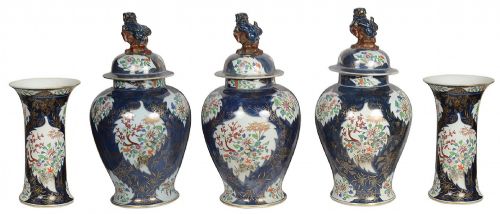


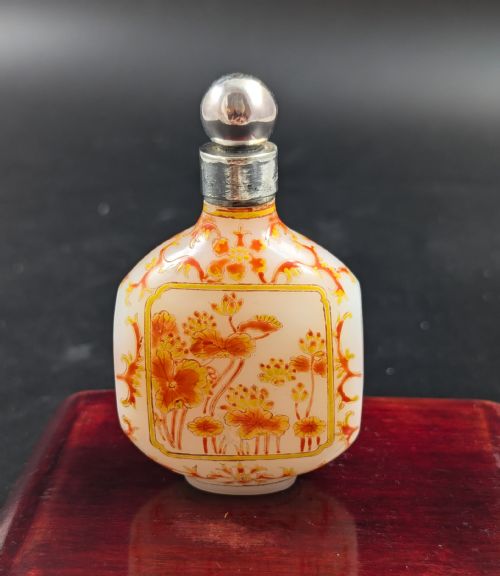

Qing Dynasty Style Enamel
These qing dynasty style enamel pieces bring vibrant palette work and intricate metal or ceramic forms into modern interiors.
Qing Dynasty Style Enamel
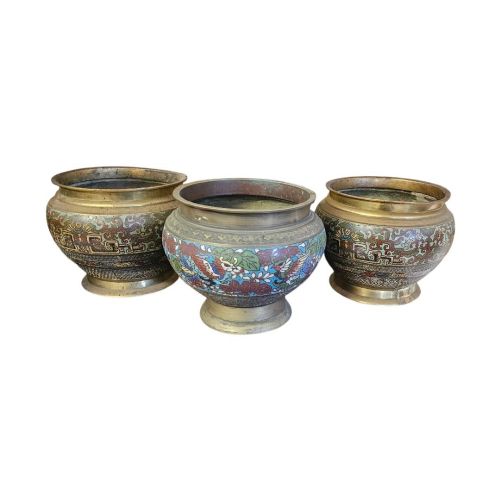
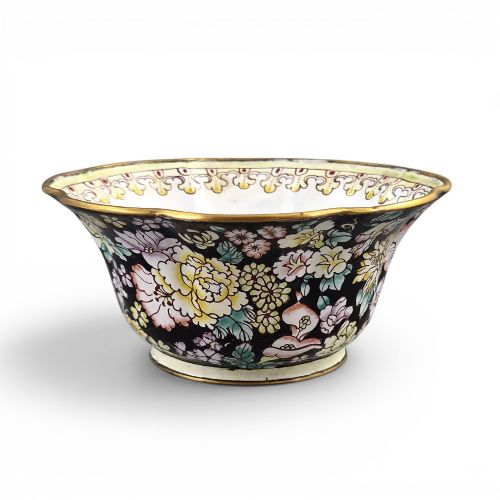
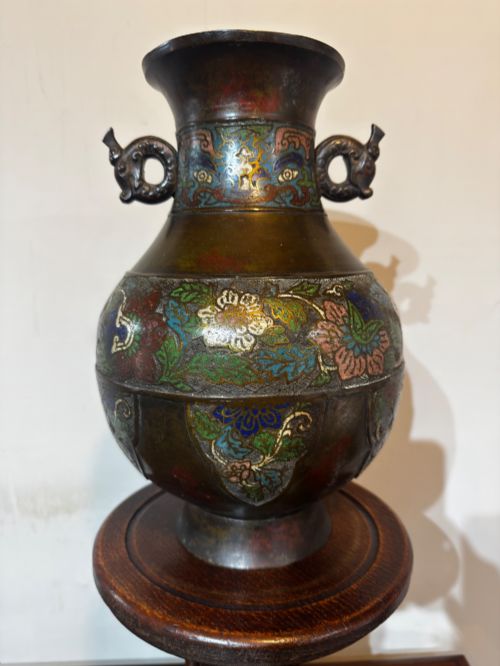
Qing dynasty style enamel items encompass a striking variety of decorative vessels, vessels with stands, and tables originating largely across the nineteenth century and into the early twentieth century. Buyers seeking this aesthetic will encounter items ranging from bronze champlevé jardinières and cloisonné lidded vases to porcelain bowls bearing historic reign marks.
The objects span practical and decorative forms, including side tables, punch bowls, jardinieres, and vases. The nineteenth century and the decades around nineteen hundred provide the primary structural and stylistic references visible in these listings.
How they were made
Craftsmen utilised bronze, copper, and porcelain as foundational substrates, applying enamel pigment through specialised techniques such as champlevé and cloisonné. Artisans incorporated gold leaf, lacquer, and carved hardwood elements to complete complex forms like lidded vases and side tables.
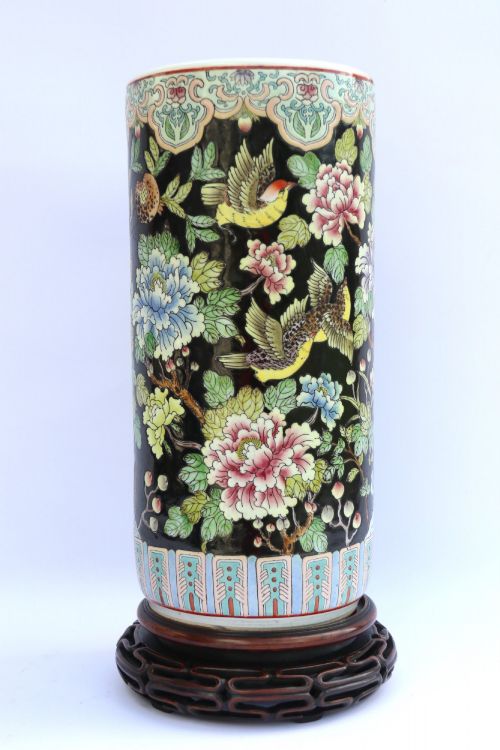
Painted enamel-on-copper methods and meticulous hand painting on porcelain surfaces allowed for intricate motifs including green dragons and floral garnitures. Wood was shaped into original stands to support large porcelain vases and bowls.
Qing Dynasty Style Enamel Retail Price Guide 2026
Typical asking prices for qing dynasty style enamel among the pieces listed under this phrase on Sellingantiques today, from the lower quarter to the upper quarter. They describe what is for sale here now, not the wider market.
Listings feature materials such as enamel, porcelain, gold leaf, bronze, copper, hardwood, wood, and lacquer.
What varies in quality
The standard of an item rests upon the precision of the enamel work and the crispness of the bronze or porcelain casting. Superior examples demonstrate rigorous control over colour application and cobalt blue motifs, alongside well-preserved surface gilding.
The integration of secondary materials, such as solid hardwood stands accompanying large porcelain vases, influences the overall cohesion of the piece. Craftsmanship in the definition of dragons, floral details, and cloisonné wirework distinguishes finer examples from simpler decorative wares.
The Qing Dynasty Style Enamel Glossary
- Champlevé
- An enamelling technique where artists gouge recesses into a metal surface to hold enamel paste before firing. This method creates bold linear divisions between different coloured enamel fields.
- Cloisonné
- A technique involving thin metal wires soldered to a metal base to form compartments filled with enamel paste. These wired cells are then fired and polished to a smooth finish.
- Famille Rose
- A palette of opaque enamels introduced in Chinese porcelain decoration, characterised by a predominant pink or rose colour derived from colloidal gold. This palette allowed for nuanced shading and realistic floral depictions.
- Doucai
- A ceramic technique combining underglaze blue outlines with overglaze polychrome enamels filled in the spaces. The resulting design presents a contrasting interplay of soft blues and bright surface colours.
- Jardiniere
- A large ornamental pot or container designed to hold living plants or floral arrangements. In these listings, they frequently appear in heavy bronze champlevé configurations.
Qing Dynasty Style Enamel: Frequently Asked Questions
How do I clean enamel surfaces?
Dust these objects gently with a dry, soft microfiber cloth to prevent surface scratching on the delicate enamel or metal wirework.
Avoid using liquid cleaners, chemical solvents, or abrasive polishing compounds that can permanently damage historic copper, bronze, or porcelain glazes.
Are these pieces from the Qing dynasty?
The listings span the nineteenth century, nineteen hundred, and nineteen thirty, encompassing both historic items and later interpretations in a traditional aesthetic.
Many objects incorporate historic reign marks or stylistic references, reflecting the enduring influence of earlier imperial designs rather than strict original production dates.
Where should I place a side table?
Antique lacquer and cloisonné side tables suit quiet corners or function as accent surfaces alongside neutral seating arrangements.
Keep them away from direct sunlight and extreme temperature fluctuations to protect the delicate lacquer finishes and embedded enamel panels.
How are porcelain bowls and vases displayed?
Display large punch bowls and porcelain vases on sturdy console tables or dedicated pedestals where their colour motifs can be appreciated from multiple angles.
Utilise original hardwood stands where provided to elevate the vessel safely and complement the carved wooden tones of the room.