


Vintage Cloisonne Urns
These vintage cloisonne urns and vessels bring intricate enamelwork and metallic wire designs into your rooms, offering rich texture and distinct global character.
Vintage Cloisonne Urns
When you search for vintage cloisonne urns, you encounter a selection of lidded vases, ginger jars, and decorative vessels originating from Asian and Victorian workshops. The pieces span the nineteenth century through the mid twentieth century, encompassing Meiji period Japanese examples and Chinese Qing style creations.
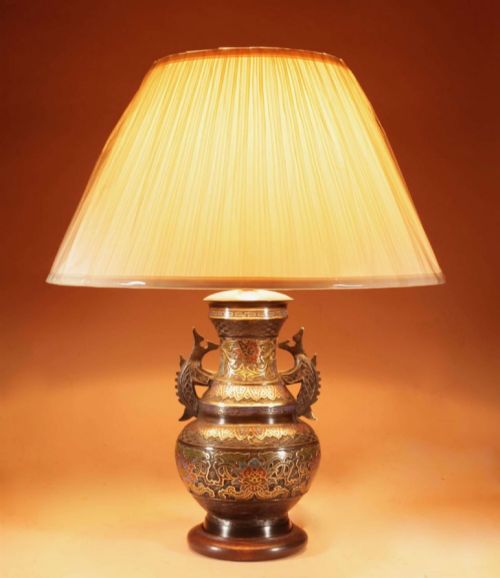
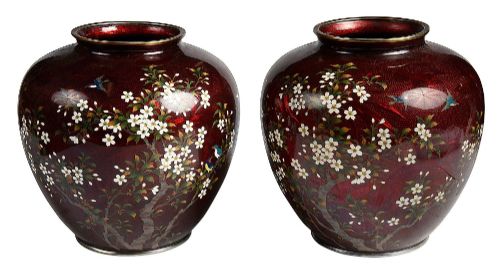
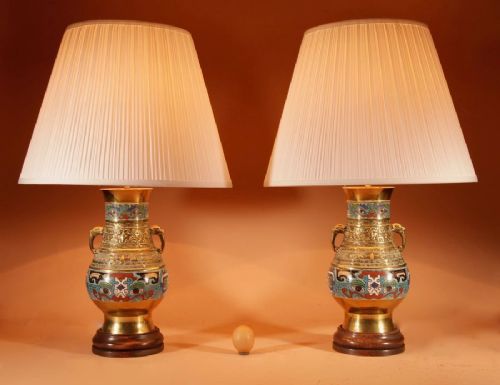
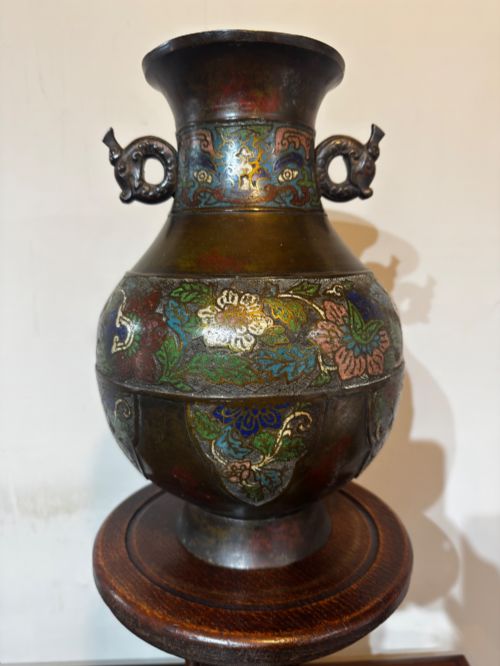
You are most likely to meet pairs of lidded jars, table lamp conversions, and standalone vases in various scales. The forms range from miniature vessels to large covered urns and jardinieres shaped in bronze, brass, and copper.
These items reflect traditional decorative motifs executed through distinct regional aesthetics, showing both Chinese and Japanese influences across different decades.
How they were made
Artisans formed the body of each vessel in copper, brass, bronze, or gilt metal, then soldered thin metal wires onto the surface to create partitioned cells. These wire outlines formed intricate floral, geometric, or pictorial compartments.
Craftsmen filled the compartments with enamel paste before firing the piece in a kiln to fuse the vitreous colours. Subsequent grinding and polishing created a smooth finish where the metal wire grid remained flush with the hardened enamel.
Listings feature items spanning the nineteenth century through the 1940s, utilising materials such as copper, bronze, brass, and enamel.
What varies in quality
The precision and fineness of the wirework define the upper tier of these objects, where intricate patterns require exceptional dexterity. Simpler designs with thicker, less uniform cell partitions occupy the standard grade.
The depth of colour, consistency of the enamel surface, and smoothness of the final polish distinguish finer vessels. Well executed pieces show an even vitreous spread without pitting or irregular shrinkage across the metal base.
The Vintage Cloisonne Urns Glossary
- Cloisonne enamel
- A technique where vitreous enamel is applied within compartments formed by soldered metal wires on a metal base. This method creates detailed patterns defined by thin metallic lines.
- Champleve
- An enamelling process where troughs or cells are carved or cast directly into the metal surface to hold the enamel paste. It differs from cloisonne by utilising recessed metal cavities rather than applied surface wires.
- Meiji period
- The era of Japanese history spanning from 1868 to 1912, known for significant export arts including detailed metalwork and enamel pieces. Items from this time display high technical mastery in decorative vessels.
- Qing dynasty
- The final imperial dynasty of China, lasting from 1644 to 1912, whose artistic styles heavily influence later decorative arts. Pieces referencing this era often use traditional motifs and rich colour palettes.
- Jardiniere
- A decorative ceramic or metal pot or urn designed to hold a plant or floral arrangement. These vessels serve as substantial decorative centrepieces in interior spaces.
Vintage Cloisonne Urns: Frequently Asked Questions
How do I clean my cloisonne vase?
Dust the surface gently with a soft, dry cloth to remove everyday particles without abrasive friction. Avoid using chemical solvents or harsh polishes that can damage the delicate enamel and exposed metal wires.
Keep the vessel away from direct, prolonged sunlight and high humidity to protect the integrity of the materials. Proper placement ensures the colours remain vibrant over time.
Can I use these urns for fresh flowers?
Many vintage lidded urns and jars are intended strictly for decorative display rather than holding water. Moisture can seep into internal seams or vintage linings, potentially causing corrosion to the underlying bronze or brass base.
If you wish to display botanicals, use a sealed inner container or opt for dry arrangements. This protects the historic metalwork from moisture damage.
How do I tell Japanese and Chinese pieces apart?
Japanese Meiji period vessels often feature meticulous, restrained wirework depicting natural elements like birds and flowers against smooth backgrounds. Chinese pieces frequently employ bolder colour combinations and dense decorative motifs referencing traditional Qing aesthetics.
Examining the weight of the bronze or brass base and the style of the interior lining also offers clues to the region of origin.
Are lamp conversions common?
A number of vintage vessels are adapted into table lamps using bronze or brass mountings while retaining their original enamel bodies. These conversions allow the decorative urns to function as illuminated lighting pieces in modern interiors.
Check the wiring and fittings to ensure compliance with current safety standards while preserving the historic base structure.