

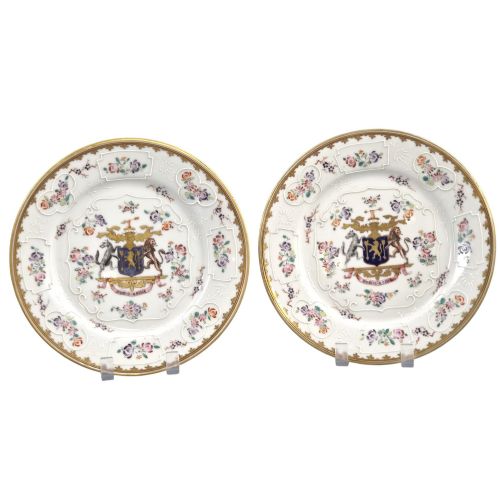


Chinese Export Ceramic Pair
A Chinese export ceramic pair brings matching symmetry and vibrant hand-painted colour to a room.
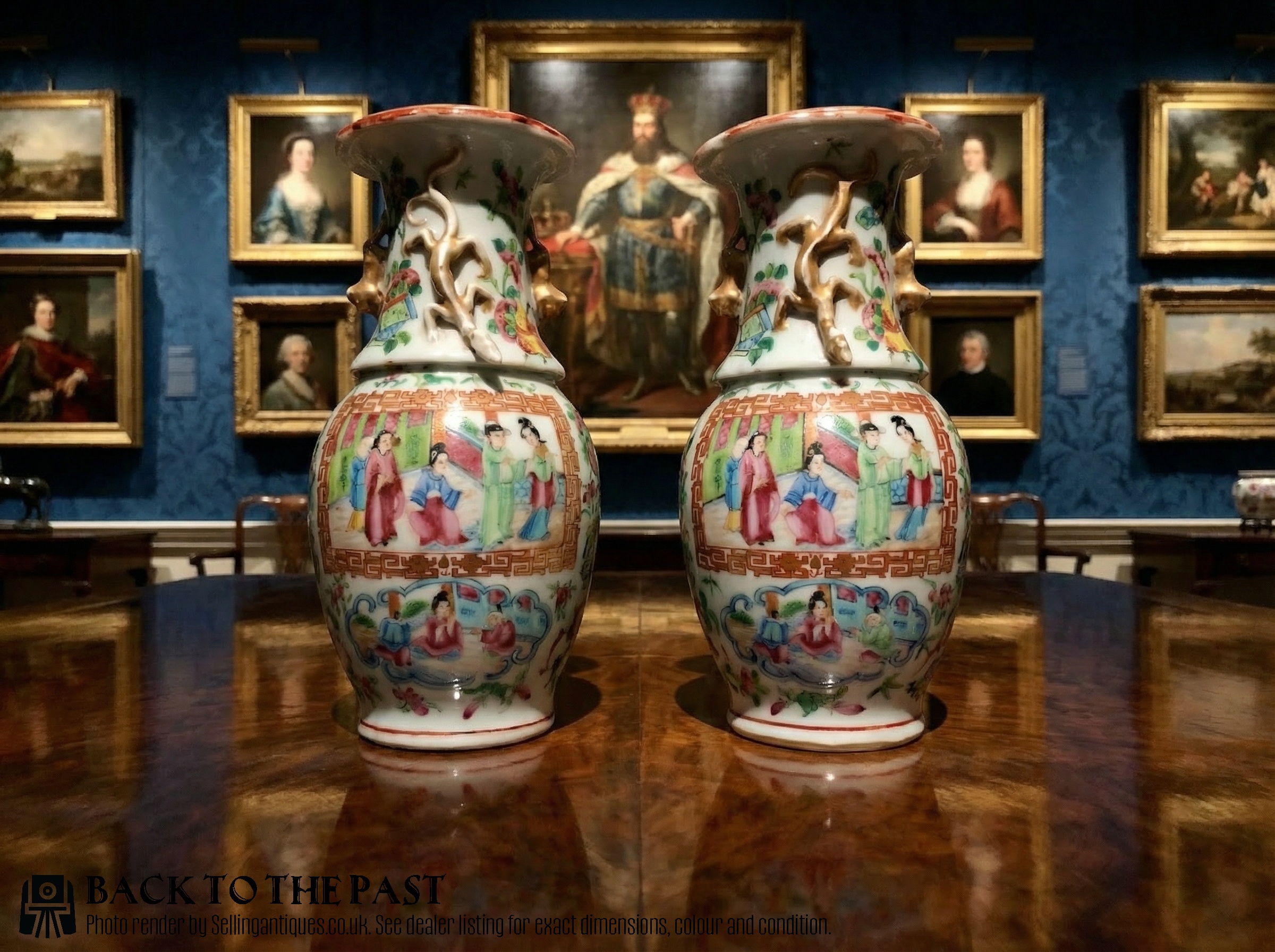
Chinese Export Ceramic Pair
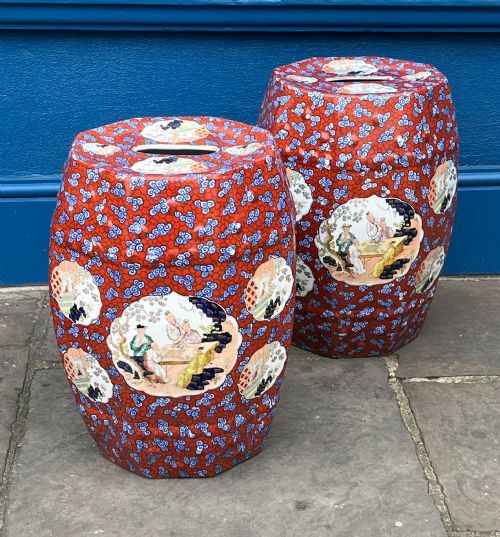
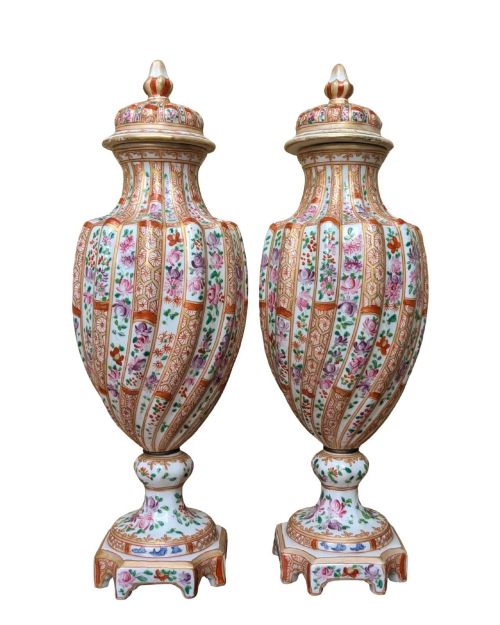
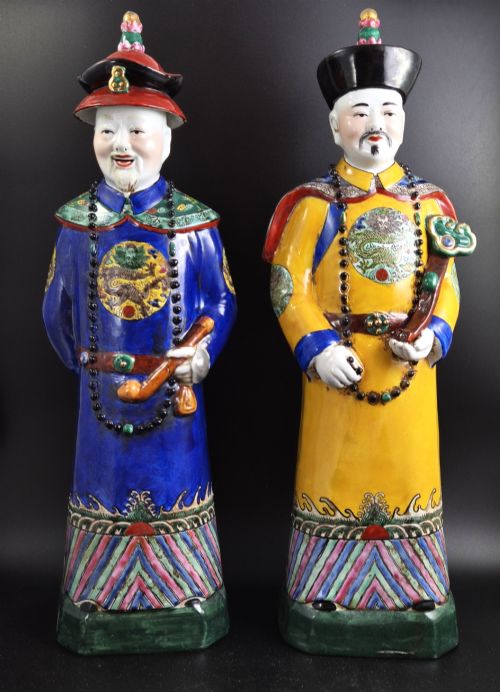
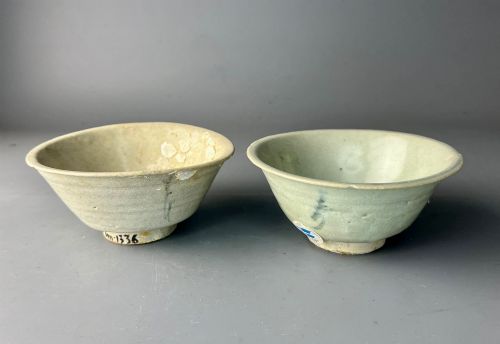
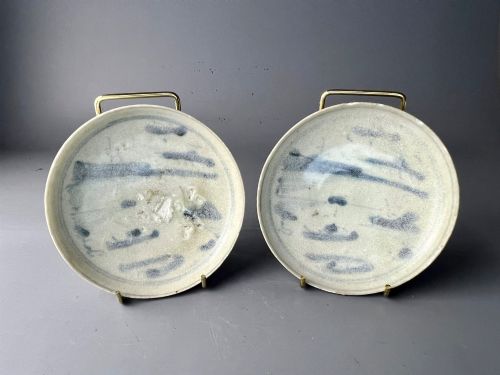
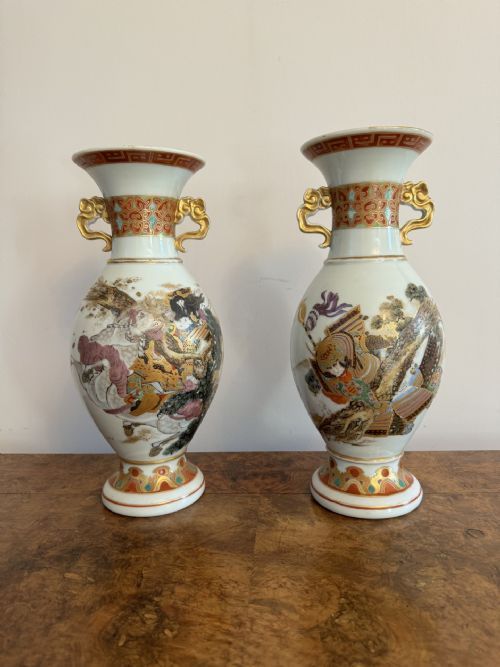
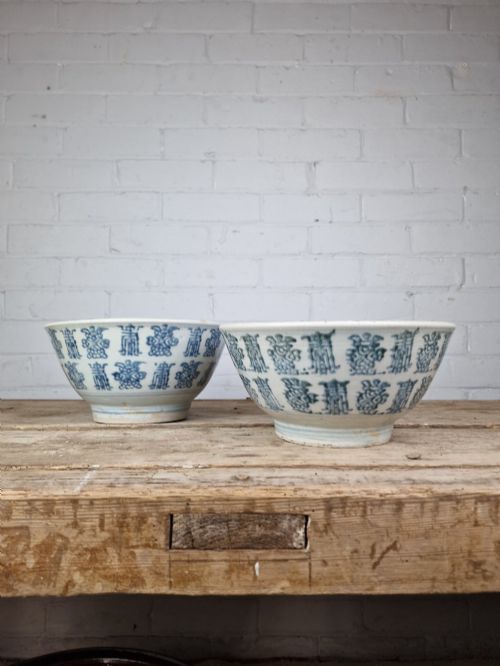
A chinese export ceramic pair consists of matching vessels or figures created in China for international markets, spanning centuries of production. These items take many forms, including decorative plates, large vases, garden seats, bowls, and figures rendered in traditional styles.
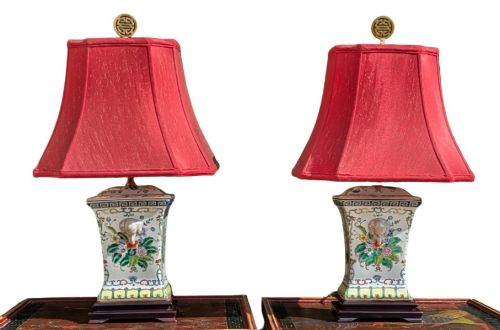
The selections encountered most frequently on this page originate from the eighteenth and nineteenth centuries, often manifesting as Canton or Rose Medallion patterns. Buyers frequently discover these dual decorative objects adapted into table lamps alongside their original vessel configurations.
Materials and construction
Makers utilised fine porcelain and ironstone as the primary bodies for these objects, shaping them on the wheel or pressing them into moulds. Artisans applied lead and silicate glazes to seal the ceramic body before firing in kilns.
Decoration relied on mineral pigments, enamel colours, and occasional gold leaf gilding, applied by hand with fine brushes. Certain items incorporate subsidiary materials like wood bases, brass fittings, and fabric elements for display or adaptation.
Chinese Export Ceramic Pair Retail Price Guide 2026
Typical asking prices for chinese export ceramic pair among the pieces listed under this phrase on Sellingantiques today, from the lower quarter to the upper quarter. They describe what is for sale here now, not the wider market.
Listings feature porcelain, enamel, and gold leaf spanning the eighteenth century to the mid-twentieth century.
Assessing craftsmanship
The distinction between tiers rests upon the precision of the hand-painted detail and the crispness of the enamel work. Superior examples display disciplined brushwork, harmonious colour palettes, and well-balanced forms that match precisely in height and contour.
Subordinate execution appears in hurried pigment application, uneven glazing, and divergence between the two pieces forming the set. The depth of the porcelain body and the richness of the gilding further separate standard commercial output from masterworks.
Edmé Samson & Cie·Fujian Huiguan
The Chinese Export Ceramic Pair Glossary
- Canton
- A style of Chinese export porcelain featuring segmented panels filled with figures, birds, and flowers, rich in pink and green enamel colours.
- Famille Rose
- A palette of opaque overglaze enamels dominated by pink or rose colours, introduced during the Qing Dynasty.
- Famille Verte
- An overarching palette of green enamel colours combined with iron red, yellow, and blue, prominent in earlier export wares.
- Ironstone
- A heavy, durable type of ceramic developed in the nineteenth century as a robust alternative to porcelain.
- Sancai
- A three-colour glaze technique using lead fluxes, typically amber, green, and creamy white, seen on earlier figures and vessels.
Chinese Export Ceramic Pair: Frequently Asked Questions
How were these pairs used originally?
Export ceramic pairs served primarily as symmetrical garniture sets on mantelpieces, sideboards, and architectural ledges in European and American interiors. Their balanced placement reflected prevailing tastes for formal interior decoration during the eighteenth and nineteenth centuries.
Beyond domestic display, many large vessels functioned as floor vases or garden seats in reception rooms and conservatories. Their durable ceramic bodies allowed them to withstand practical daily environments while maintaining decorative impact.
How do I live with antique ceramic pairs?
Placement requires stable surfaces away from high-traffic zones where accidental knocks might occur, as these historic ceramics remain vulnerable to impact. Utilising secure display stands or furniture protects both the objects and the supporting surfaces.
Cleaning involves gentle dusting with a soft, dry brush rather than liquid immersion, particularly on pieces with exposed gilding or overglaze enamels. Keeping them away from direct sunlight preserves the vibrancy of the hand-painted pigments over time.
Why are some mounted as lamps?
Adapting antique vases into table lamps became a popular practice during the nineteenth and twentieth centuries to suit changing domestic lighting needs. This conversion allowed owners to repurpose decorative vessels for modern utility without discarding the antique porcelain.
Many conversions were executed carefully to preserve the main body of the ceramic, though internal wiring required drilling or fitting mounts. Collectors today evaluate these lamps both for the quality of the original porcelain and the discretion of the conversion.