




Chinese Ceramic Figurine
A Chinese ceramic figurine brings centuries of sculptural tradition into a room, capturing deities, animals and attendants in fired clay.
Chinese Ceramic Figurine
A Chinese ceramic figurine encompasses a diverse array of sculptural forms ranging from archaic tomb pottery to later Qing Dynasty porcelain and glazed earthenware. When searching for a Chinese ceramic figurine, a buyer encounters everything from archaic tomb figures and religious deities to decorative birds, beasts and musical troupes.
The materials span from early earthenware and terracotta to refined porcelain and stoneware, often finished with vibrant lead glaze, enamel or sancai decoration. Pieces originating from periods such as the Qing Dynasty sit alongside later republic works and revival pieces modelled in earlier styles.
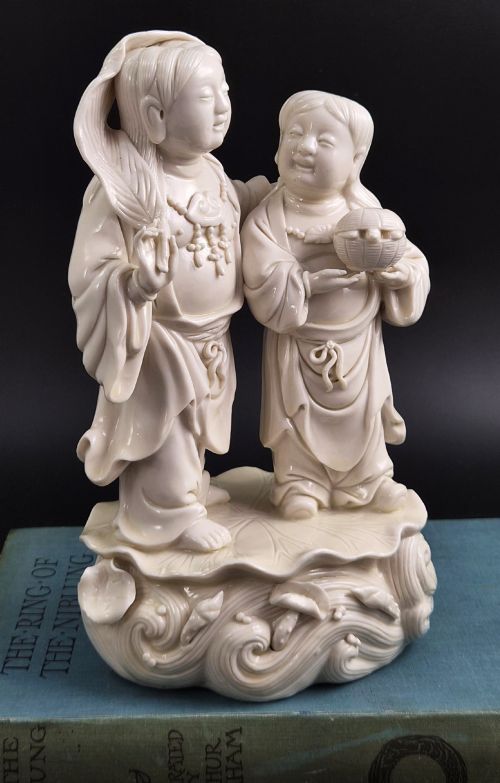
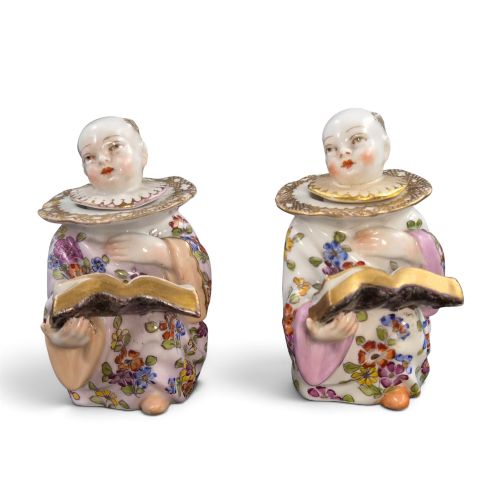
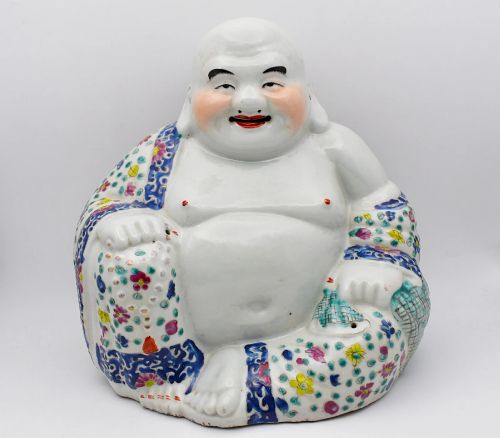
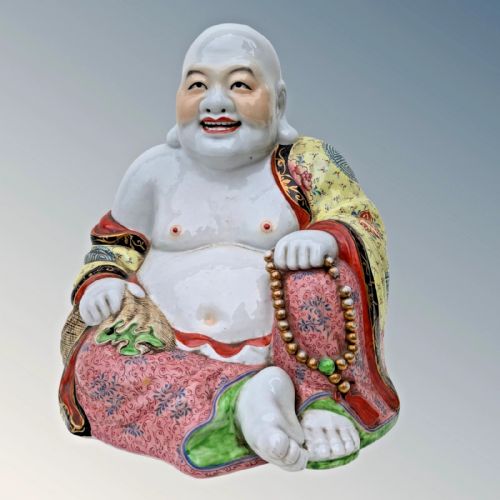
Forms include large decorative pairs of ducks, cockerels and dogs, alongside individual studies of Laughing Buddhas, Immortals and Guanyin. These objects served various purposes historically, from tomb furniture and scholarly desk items like inkwells to pure display pieces.
Materials and construction
Potters shaped these figures using terracotta, earthenware and porcelain bodies, often employing mould-casting or hand-modelling techniques before firing the clay in kilns. The resulting bodies provided a stable base for subsequent surface decoration.
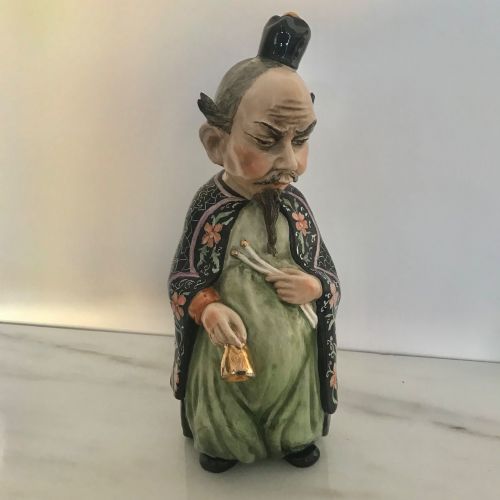
Makers applied lead glazes, enamel colours and the distinctive multi-coloured sancai glaze palette directly to the fired or biscuit body. Techniques such as famille rose and famille verte enamelling added intricate detail to figures like immortals, birds and deities.
Listings feature porcelain, terracotta, earthenware and ceramic bodies finished with enamel, lead glaze and sancai glaze.
Defining quality
Quality rests in the crispness of the moulding, the control of the glaze application and the expressive vitality of the subject. A superior figure displays confident modelling in the clay and precise brushwork in the enamel or glaze.
The depth of colour, particularly in turquoise, sancai and famille rose palettes, separates finer works from standard production pieces. Purity in porcelain bodies and the successful management of kiln temperatures during firing dictate the ultimate refinement of the sculpture.
Edmé Samson·Zhu Mao Ji
The Chinese Ceramic Figurine Glossary
- Sancai
- A three-colour glaze tradition typically combining amber, green and cream tones, widely used on pottery figures. This technique is particularly associated with Tang Dynasty styles.
- Famille Rose
- A palette of opaque enamels introduced in the Qing Dynasty, dominated by pink or rose colours. It allowed for delicate shading on robes and floral details.
- Blanc de Chine
- A white porcelain produced at Dehua in Fujian province, known for its milky texture. Figures of Guanyin frequently utilise this specific ceramic body.
- Mingqui
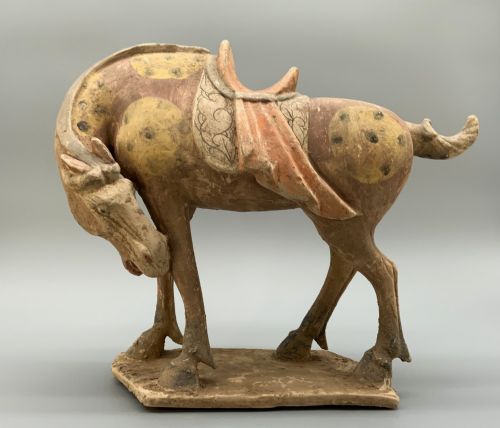
- Ancient burial objects placed in tombs to accompany the deceased. These terracotta and pottery figures often depict attendants, soldiers and animals.
- Foo Dog
- A mythical guardian lion depicted in pairs outside temples and homes. Ceramic versions often serve as fierce ornamental figures.
Chinese Ceramic Figurine: Frequently Asked Questions
How do I identify a Tang Dynasty style figure?
Tang Dynasty style figures often feature characteristic sancai glazes in amber, green and cream, depicting horses, camels or tomb attendants.
Examination of the clay body and the pooling of the glaze helps distinguish these revival pieces from ancient examples.
What is the difference between earthenware and porcelain figures?
Earthenware figures utilise a porous, lower-fired clay body that is often heavily glazed with lead or sancai finishes. Porcelain figures employ a dense, white clay vitrified at higher temperatures.
Porcelain allows for finer detail and thinner walls, frequently seen in later Qing Dynasty and Republic period pieces.
Where should I place a ceramic figurine at home?
These figures suit stable display surfaces such as sideboards, mantelpieces or dedicated cabinets away from heavy foot traffic. Ensuring the piece sits securely prevents accidental knocks.
Pairings like ducks or cockerels work well balanced symmetrically, while single figures like Laughing Buddhas create a focal point.
How do I care for antique ceramic figures?
Dusting gently with a soft, dry brush prevents the accumulation of dirt on delicate glazes and unglazed terracotta surfaces. Avoiding harsh cleaning agents protects the historical enamel work.
Keeping pieces away from direct sunlight preserves the vibrancy of turquoise and famille rose colours over time.