


Oriental Ceramic Ornaments
These oriental ceramic ornaments bring centuries of master craftsmanship into the home, offering figurative sculptures and vessels created across Asian dynasties and periods.
Oriental Ceramic Ornaments
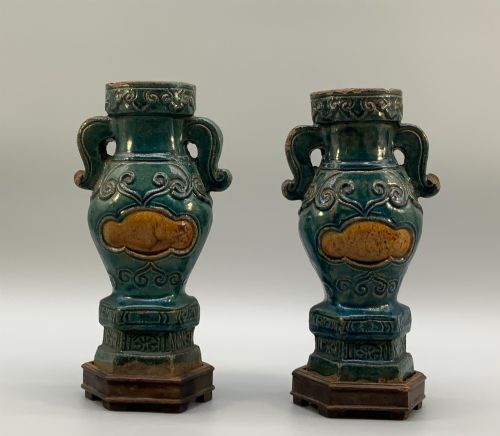
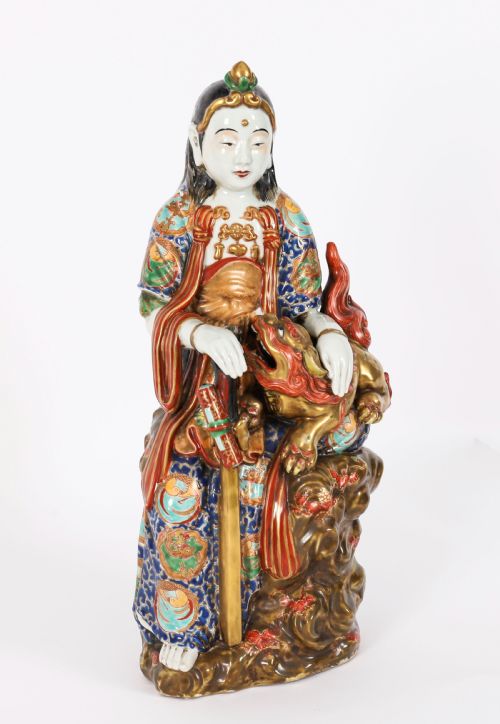
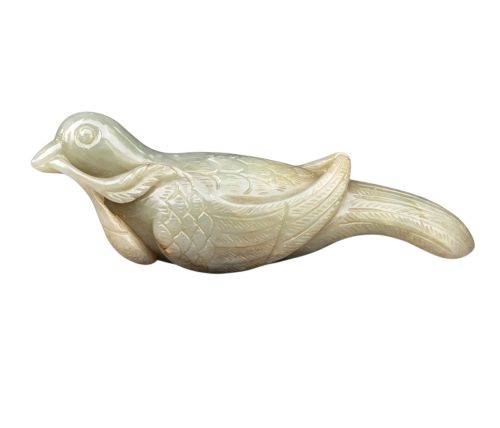
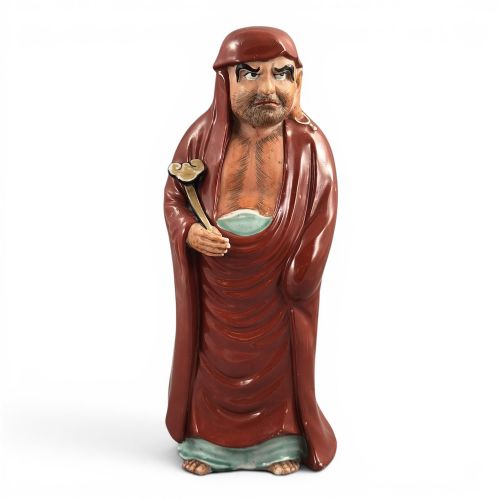
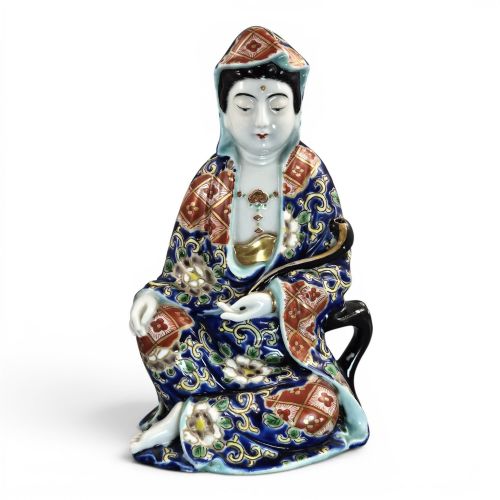
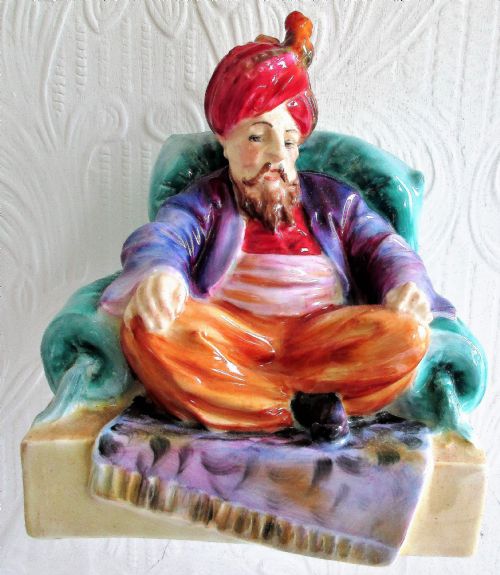
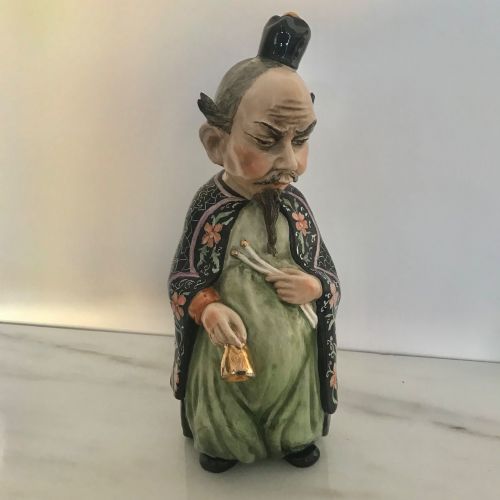
Oriental ceramic ornaments encompass figures, vases, and sculptures originating from diverse periods such as the Ming and Qing Dynasties, alongside Japanese Meiji and Edo eras. Buyers encounter depictions of deities, scholars, animals, and mythical creatures rendered in ceramic, porcelain, and earthenware.
The selection ranges from early ritual vessels to decorative figures produced for export and domestic use. Common forms include statues of Buddhist lions, deities such as Hotei and Jurojin, and detailed animal studies.
How they were made
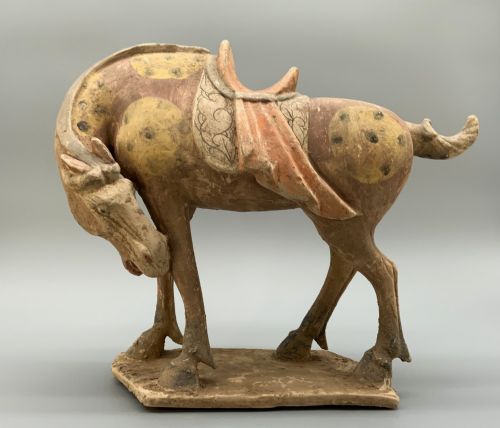
Potters shaped these pieces from porcelain, earthenware, and heavy clay bodies, often applying lead glazes, enamel, and sancai tri-colour decoration. Kiln firing techniques varied from low-temperature earthenware firings to high-heat porcelain vitrification.
Finishing touches involved hand-painted enamels, gold leaf accents, and delicate carved detailing before final glazing. Artisans utilised specialised moulds and hand-modelling to achieve intricate surface textures and figurative expressions.
A porcelain frog sitting quietly among antique vases proves that ancient potters enjoyed a sense of humour.
What varies in quality
The depth of historical modelling and the sophistication of the kiln techniques separate ordinary commercial items from pieces originating in imperial or notable provincial kilns. Strong works display confident brushwork and harmonious colour integration across the ceramic surface.
Makuzu Kozan II·Mikawachi Kilns·Royal Doulton
The Oriental Ceramic Ornaments Glossary
- Sancai
- A traditional three-colour glaze scheme utilising lead-based pigments, commonly seen in yellow, green, and white or amber tones. This technique is frequently associated with Tang Dynasty pottery styles.
- Kutani
- A style of Japanese porcelain noted for vibrant coloured enamels and intricate gilt work, produced in Ishikawa prefecture. Pieces often depict figures, birds, and floral motifs.
- Okimono
- A Japanese term for a small decorative statue or ornament intended for display in a traditional interior setting. These figures often portray historical personages, deities, or animals.
- Famille Verte
- A Chinese porcelain palette dominated by green enamel hues, developed during the Qing Dynasty. The style incorporates contrasting overglaze colours to create detailed pictorial scenes.
- Bisque
- Unglazed fired ceramic or porcelain that exhibits a matte surface texture. It allows sculptural details to remain sharp and unmasked by glossy surface coatings.
Oriental Ceramic Ornaments: Frequently Asked Questions
What are oriental ceramic ornaments?
These pieces comprise sculpted figures, vessels, and decorative objects made from porcelain, earthenware, and ceramic materials in Asian artistic traditions. They range from utilitarian scholars' items to purely decorative animal and human figures.
They reflect the aesthetic priorities and technical capabilities of eras spanning from the Ming Dynasty to the early twentieth century.
How were oriental ceramic ornaments used?
Many items functioned as scholar's desk accessories, such as brush washers and water holders, while others served as interior ornaments in homes and temples. Architectural elements like roof ornaments were also placed on exterior structures.
Figurines often represented deities of longevity or folklore, serving both decorative and symbolic purposes within domestic spaces.
How do I identify Chinese and Japanese pieces?
Chinese pieces often reflect dynastic styles such as Ming sancai glazes or Qing famille verte palettes, focusing on formal symmetry and classical symbolism. Japanese items frequently date from the Meiji period, featuring distinct regional aesthetics like Satsuma earthenware or Kutani porcelain.
Examining the glaze type, subject matter, and underlying clay body helps clarify the geographic origin.
How should I live with these ceramics?
Display these ornaments on stable surfaces away from direct sunlight and heavy foot traffic to protect fragile glazes and protruding details. Dust them gently with a soft, dry cloth without applying water or cleaning solutions.
Allow sufficient space around larger sculptures and pairs to appreciate their form and hand-painted decoration.