
Chinese Ceramic Bowl
The chinese ceramic bowl spans dynasties and centuries, offering both utilitarian form and exceptional glaze work for any interior.

Chinese Ceramic Bowl
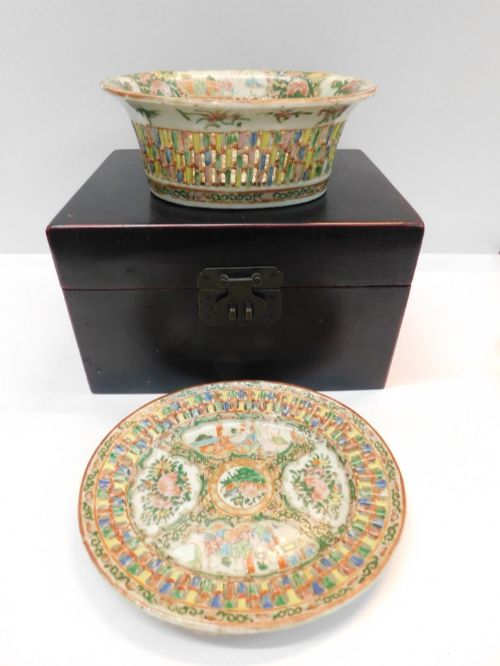
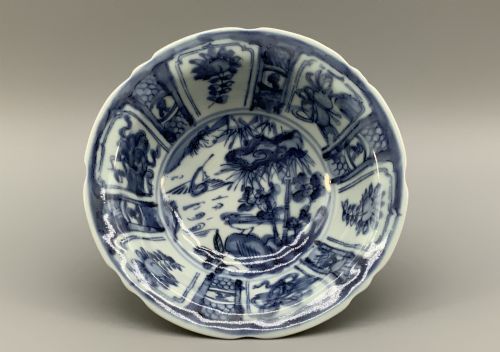
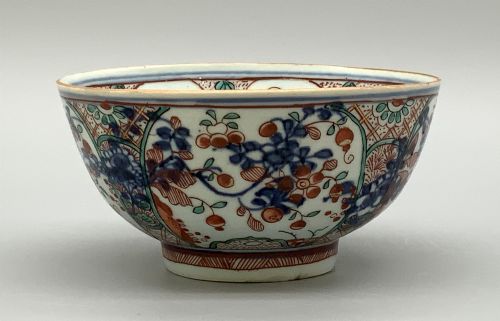
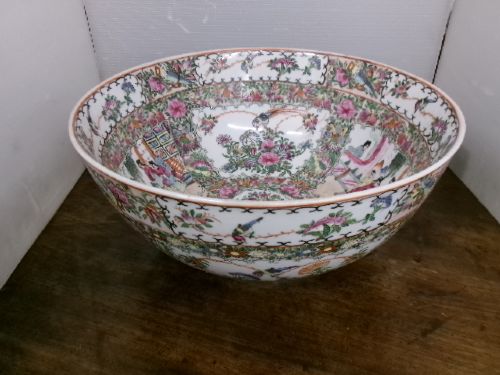
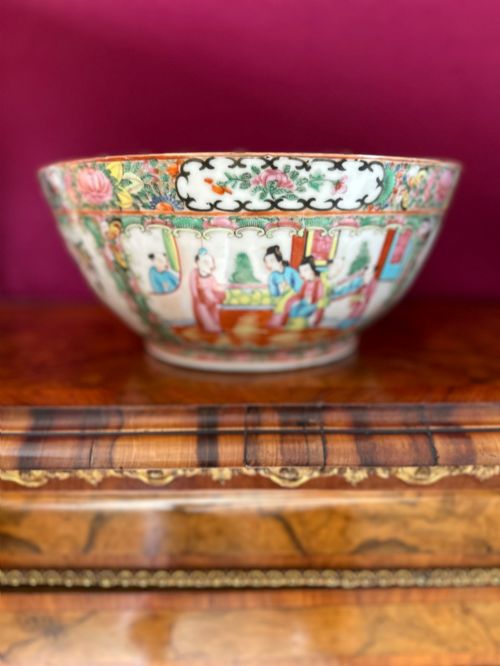
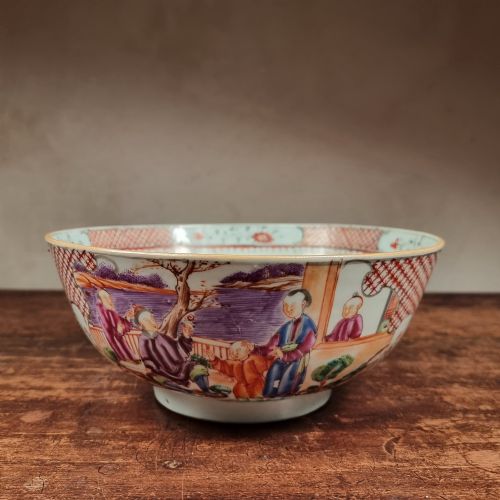
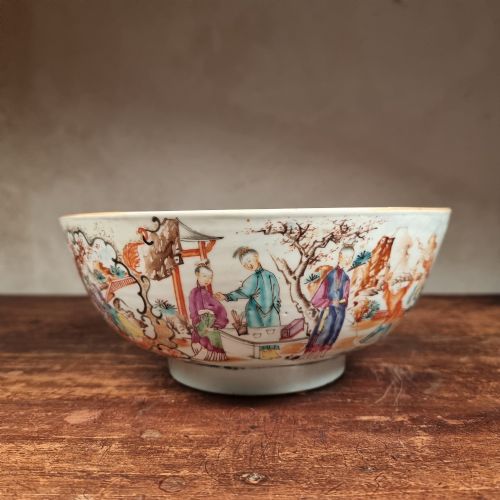
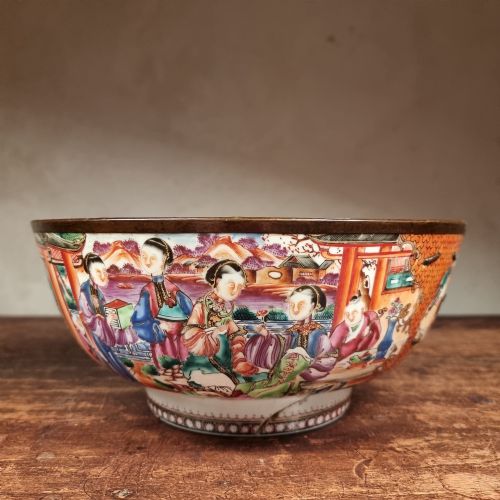
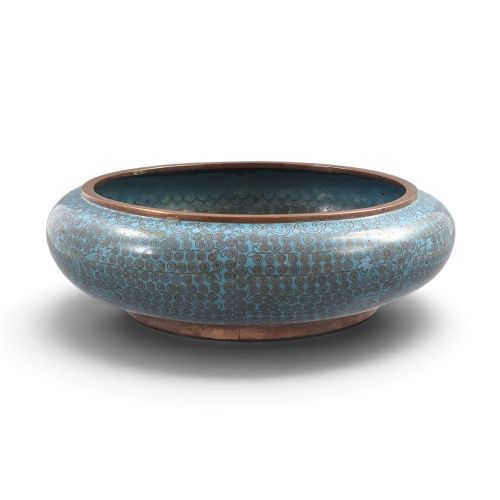
A chinese ceramic bowl encompasses utilitarian vessels, large punch bowls, and delicate brush washers originating from imperial workshops and provincial kilns alike. The selections span multiple dynasties, with nineteenth-century Canton examples and eighteenth-century Kangxi pieces appearing most frequently across these listings.
Materials and Techniques
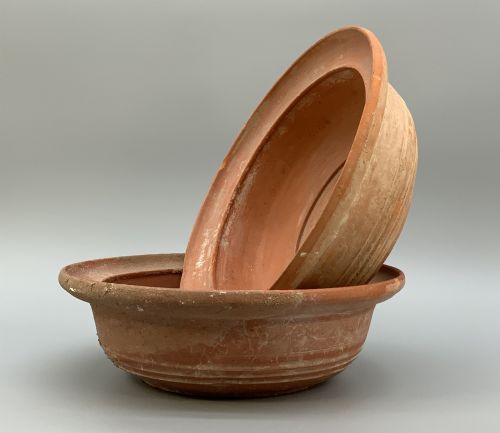
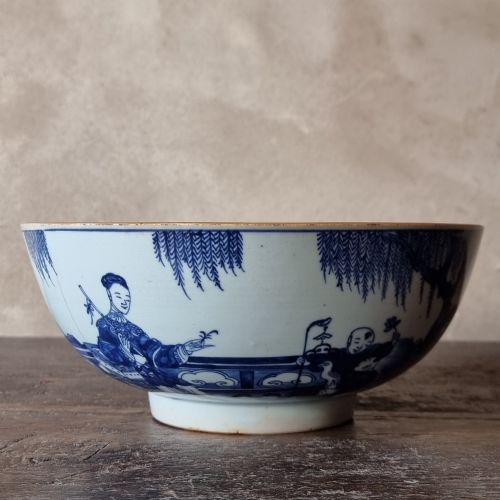
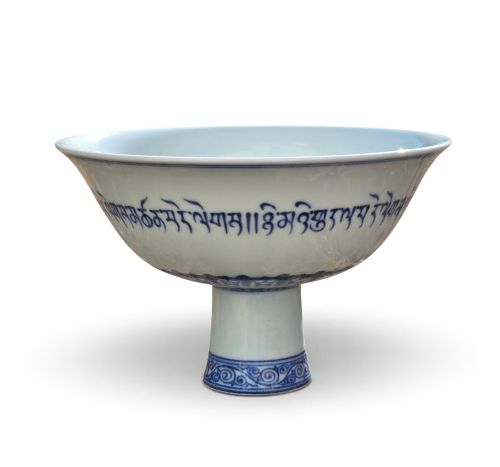
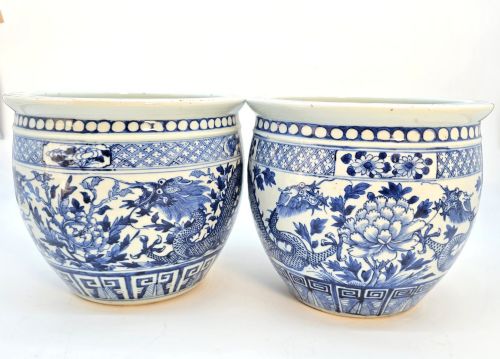
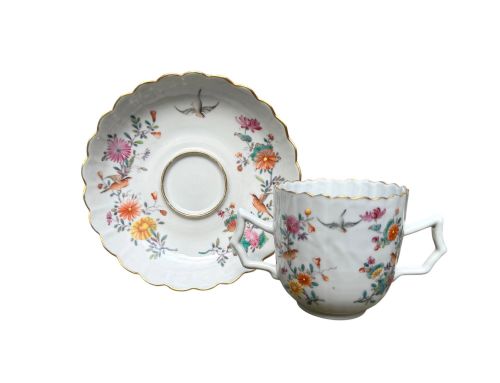
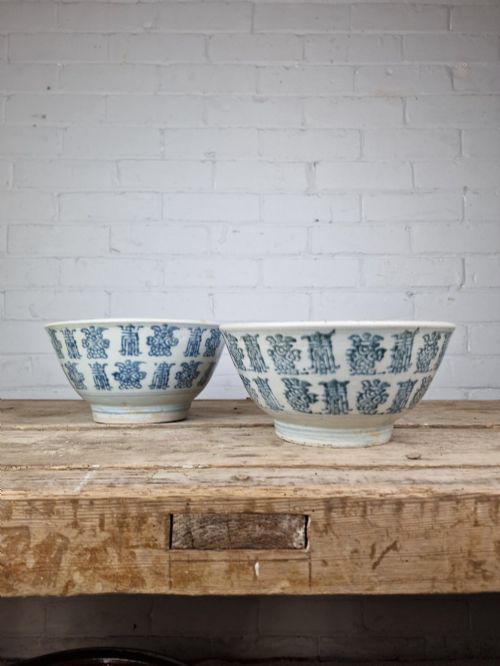
Potters shaped these vessels primarily from fine porcelain and red pottery, applying cobalt underglaze, monochrome glazes, or enamel pigments before firing. Workshops employed meticulous hand-painting techniques to achieve the detailed floral, figural, and symbolic motifs seen across the pieces.
Certain vessels incorporate specialised surface treatments such as iron rust glazes, chocolate-coloured Batavia glazes, and additions of gold leaf or ormolu mounts. The combination of precise throwing and controlled kiln temperatures defined the durability and surface texture of each vessel.
Early potters occasionally left subtle fingerprint impressions trapped beneath centuries of stable glaze.
Distinctions in Quality
The standard of a chinese ceramic bowl rests upon the precision of the hand-painted brushwork, the purity of the porcelain body, and the stability of the glaze during firing. Pieces featuring controlled cobalt underglaze or finely delineated famille rose enamels demonstrate superior craftsmanship.
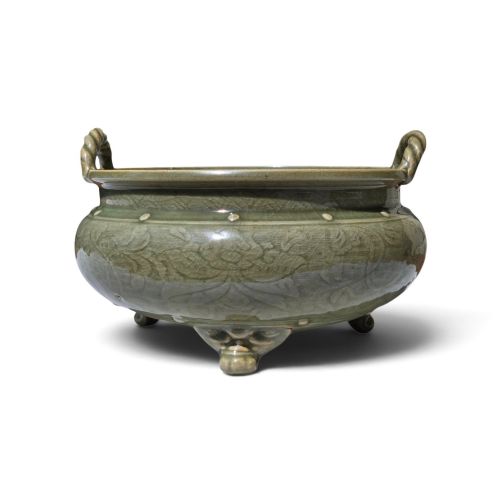
Imperial marks and specific period attribution indicate higher workshop standards, whereas provincial pieces display greater rustic variation. The depth of colour in iron-red or celadon surfaces further separates standard utilitarian items from masterworks.
The Chinese Ceramic Bowl Glossary
- Celadon
- A transparent green glaze over a pale body that creates a jade-like finish. This technique has roots in historic kilns and produces subtle variations in tone.
- Famille Rose
- A palette of opaque pink and rose enamels introduced during the Qing dynasty. Artisans used these colours to render intricate floral and figural scenes.
- Cobalt Underglaze
- Pigment applied to the raw clay body before glazing and high-temperature firing. This method ensures the blue decoration remains permanent beneath the glassy surface.
- Censer
- A ritual vessel supported by legs, utilised for burning incense in scholarly or domestic settings. These objects often feature heavy bronze or ceramic construction.
- Brush Washer
- A small vessel designed for rinsing calligraphy brushes in scholar's studios. They appear in various monochrome and decorated ceramic forms.
Chinese Ceramic Bowl: Frequently Asked Questions
How were these bowls used historically?
Historic households utilised these vessels for serving food, communal punch drinking, or displaying floating flowers in reception rooms. Scholars also kept smaller basins on desks for washing ink brushes.
Larger jardinieres held potted plants, while specialised dishes served ceremonial or decorative functions within wealthy residences and imperial courts.
How do I care for antique ceramics?
Display these vessels away from direct sunlight and areas subject to sudden temperature fluctuations to protect the glaze and enamel layers. Dust them gently with a dry, soft cloth.
Avoid using chemical cleaners, water immersion, or abrasive materials that might damage delicate surface gilding or historic porcelain bodies.
How can I identify the period?
Period attribution relies on examining the characteristics of the clay body, the chemistry of the glaze, and the style of painted decoration. Stylistic markers often align with specific imperial reigns.
Underglaze blue motifs, baseline characteristics, and reign marks provide further clues, though marks should be assessed alongside overall manufacturing techniques.
What is the difference between export and domestic wares?
Export wares were manufactured specifically for Western markets, frequently featuring vibrant Canton or rose medallion palettes tailored to European tastes. These pieces often carry broader decorative appeal.
Domestic and imperial pieces adhered strictly to traditional Chinese aesthetic standards, prioritizing subtle monochrome glazes or specific symbolic motifs intended for local scholars and courts.