


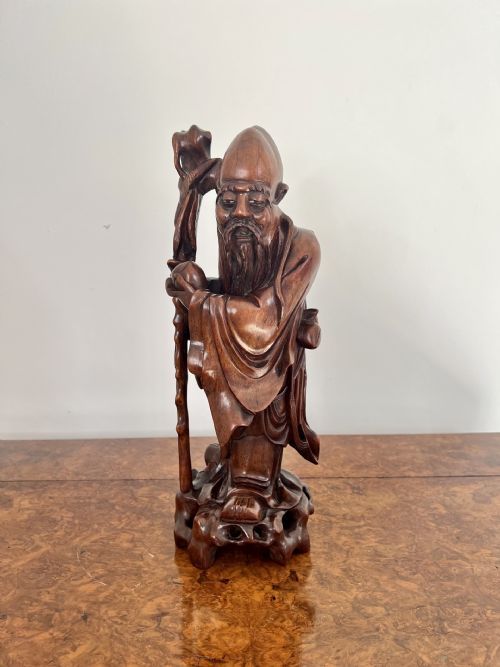
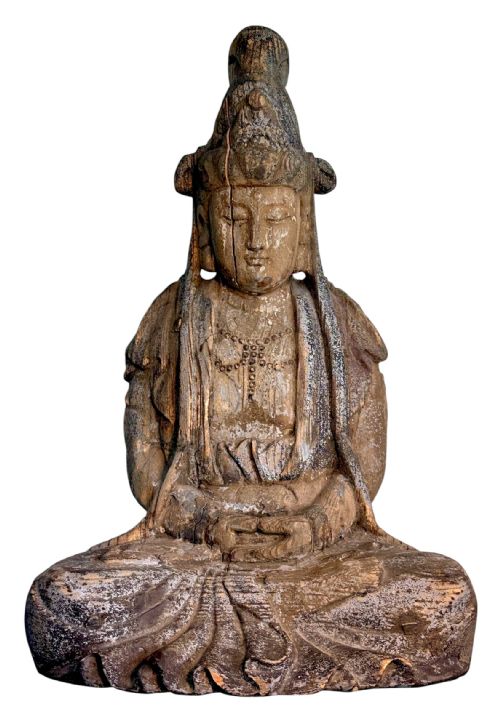
Chinese Carved Wood Sculpture
These pieces of chinese carved wood sculpture bring centuries of temple figures, mythological beasts and scholars into domestic rooms.
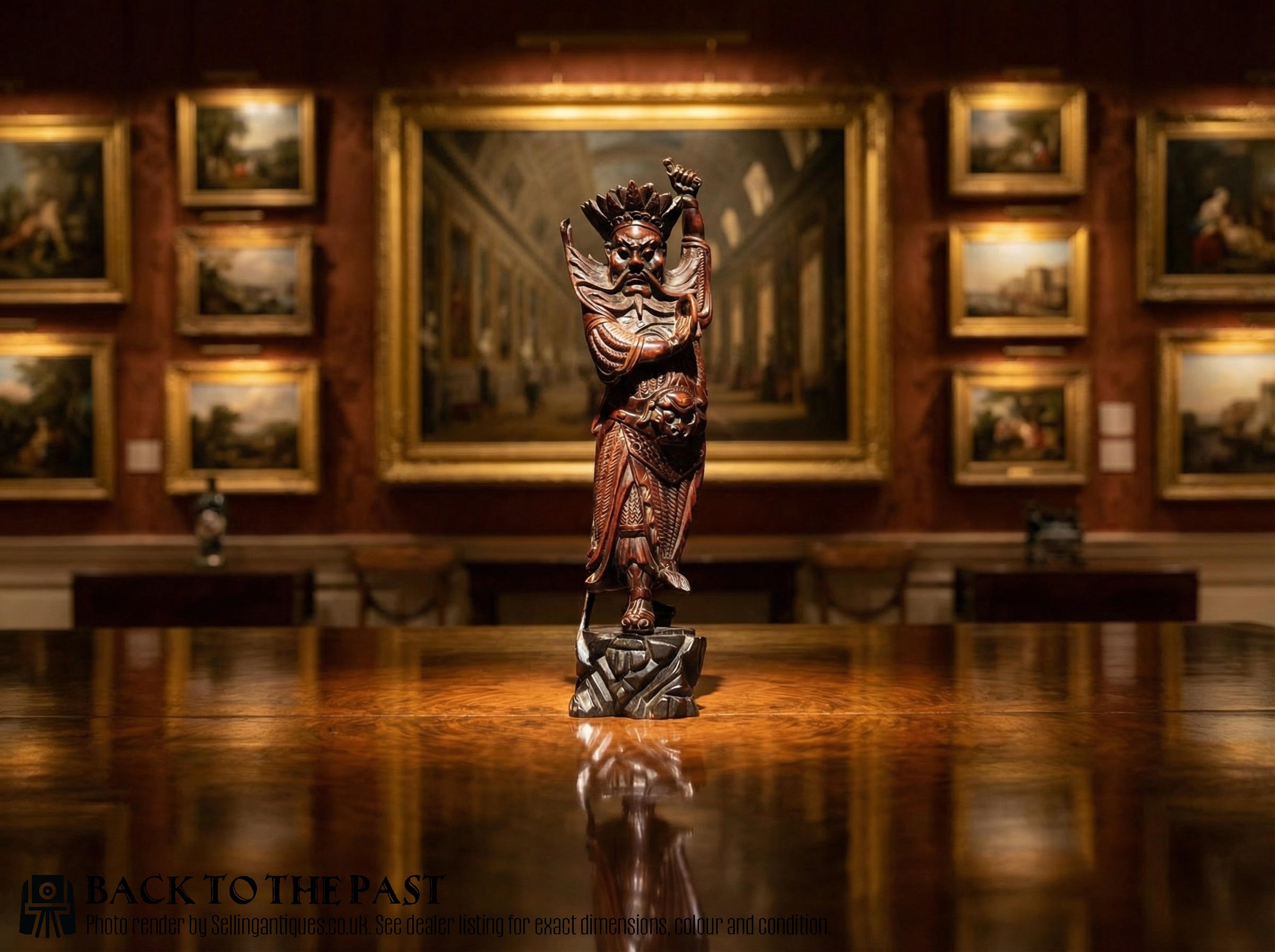
Chinese Carved Wood Sculpture
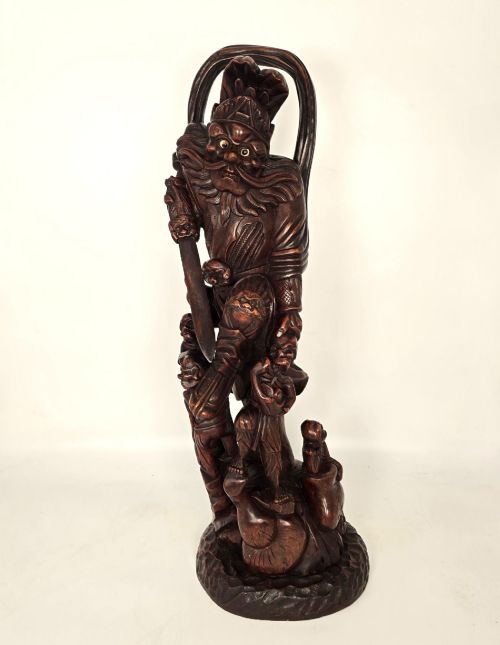
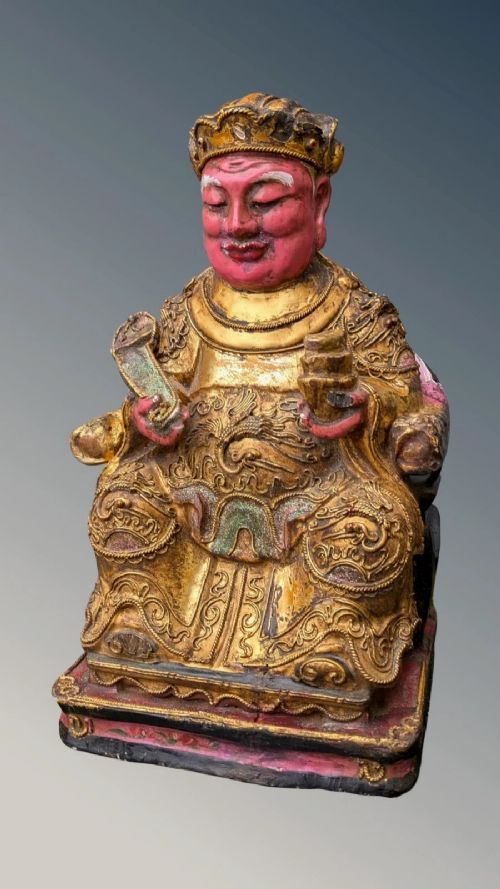
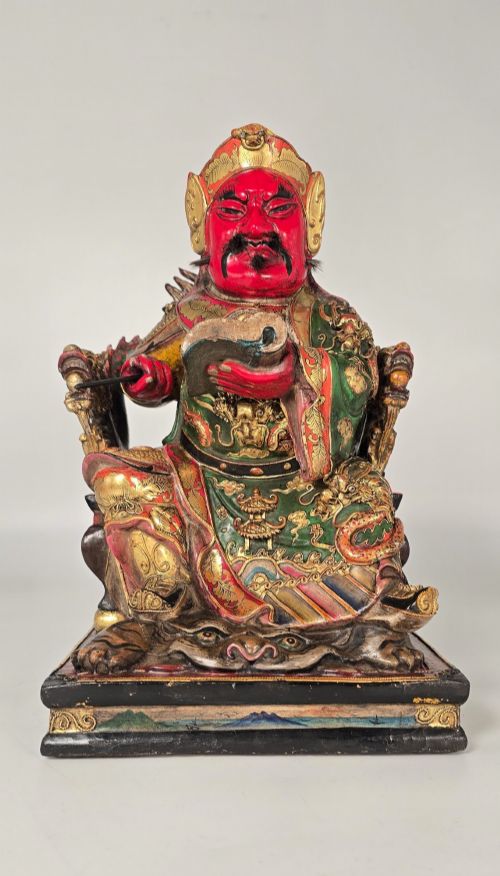
Buyers seeking a chinese carved wood sculpture will encounter figures rooted in religious, imperial and folk traditions, spanning deities, immortals and animals. The selection relies heavily on hardwood, root wood and lacquered finishes, capturing subjects from temple guards to seated buddhas.
Most examples originate from the nineteenth century and the early decades of the twentieth century, reflecting Qing dynasty aesthetics and traditional craftsmanship. Forms range from monumental guardian figures to miniature groupings, offering both freestanding statues and carved functional objects.
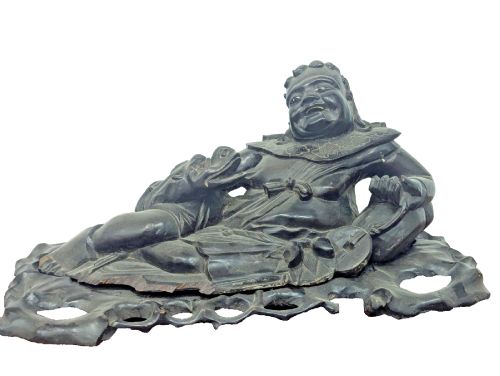
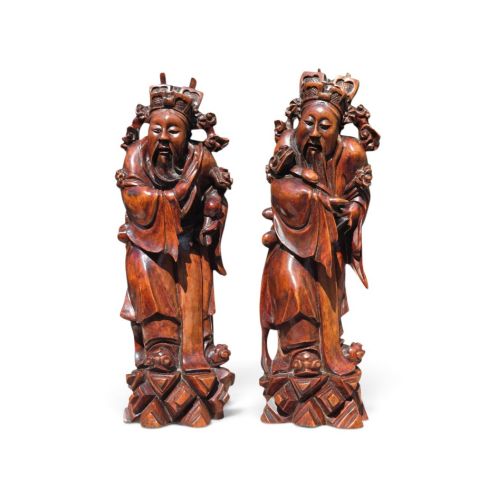
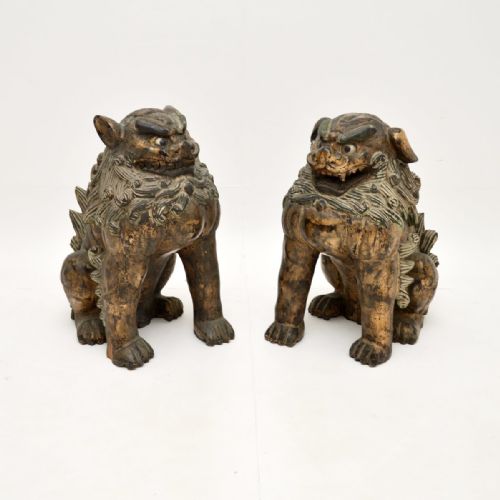
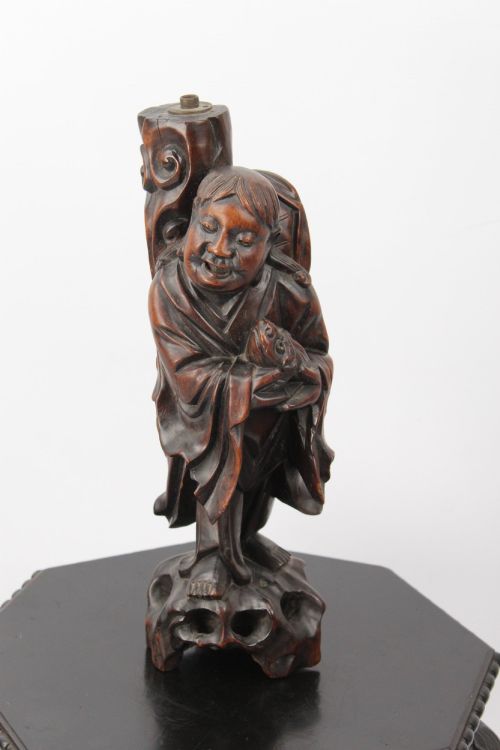
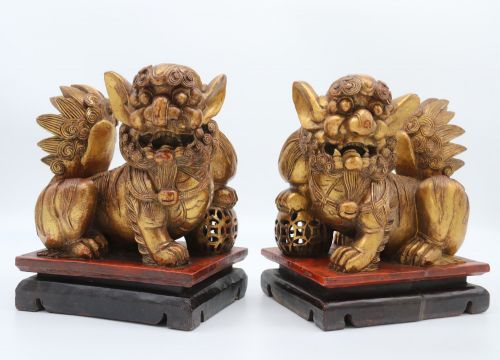
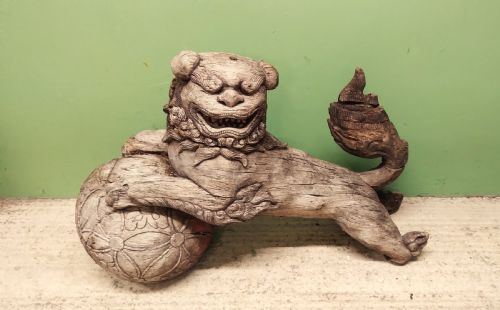
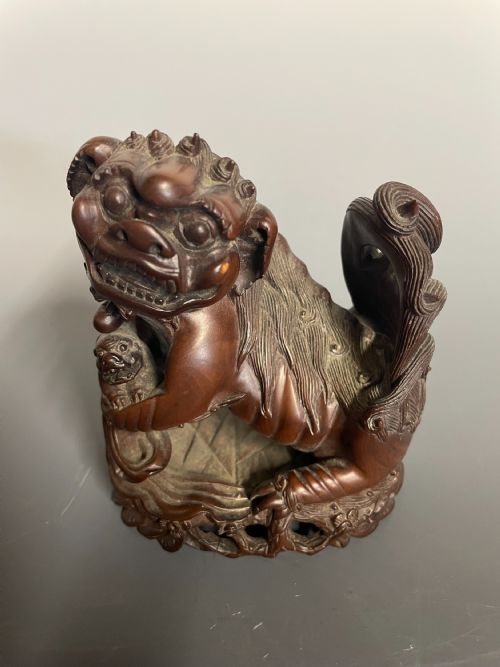
The inventory includes matched pairs of daoist immortals, foo dogs, temple guardians and scholars alongside root wood carvings that follow natural organic shapes. Each piece demonstrates traditional Chinese iconography applied to dense timbers and soft woods.
How they were made
Artisans worked primarily with dense hardwoods, boxwood and gnarled root wood, cutting directly into the grain to define robes, facial expressions and anatomical details. Root wood pieces exploited the natural contours of the timber, integrating organic growths into the postures of scholars or mythical beasts.
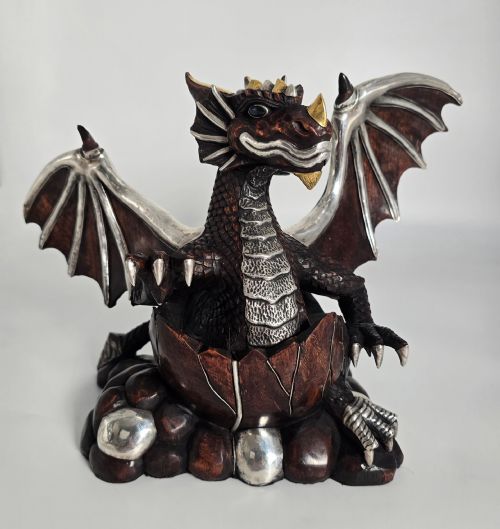
Many sculptures received layers of lacquer, gold leaf or polychrome paint applied over gesso or directly to the timber, creating rich surfaces for temple figures and deities. Mixed metal mounts and brass components occasionally augmented the woodwork, particularly on dragon sculptures and ceremonial stands.
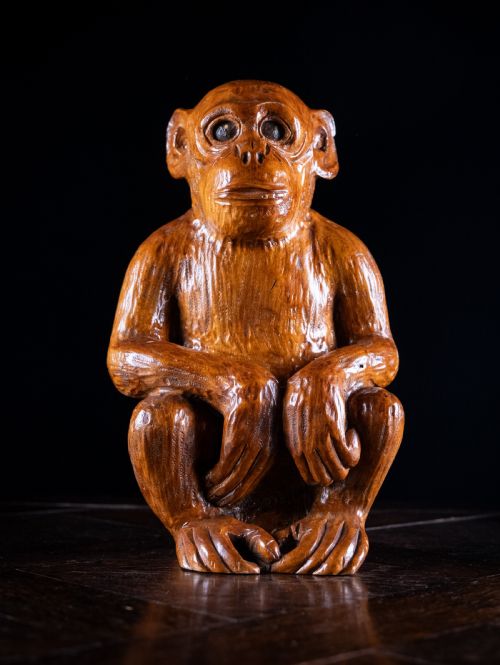
Carvers regularly transformed stubborn tree roots into laughing sages and mischievous monkeys without losing the timber's original natural curves.
What varies in quality
The preservation of original gilt, lacquer and polychrome pigments heavily influences the character of a sculpture, as worn surfaces alter the visual impact of temple figures. The handling of anatomical proportions and the symmetry of matched pairs demonstrate the competency of the workshop.
The Chinese Carved Wood Sculpture Glossary
- Hardwood
- Dense, slow-growing timber such as zitan or huanghuali used for substantial figures that require crisp detail. These woods resist warping and hold fine chisel marks over centuries.
- Root wood
- Timber sourced from the root system of a tree, chosen for its twisted, irregular growths. Carvers incorporated these natural shapes into the bodies of scholars and mythical beasts.
- Foo dog
- A traditional guardian lion depicted in pairs outside temples and palaces. Sculptors rendered these mythical beasts with curling mannes, bared teeth and playful paws.
- Gilt wood
- Carved timber coated with a thin layer of gold leaf or gold paint. This technique illuminated temple figures and deities under dim ritual lighting.
- Polychrome
- Painted in multiple colours using mineral pigments applied directly to wood, lacquer or gesso. This surface treatment brought realism and ceremonial decoration to Buddhist and Daoist statues.
Chinese Carved Wood Sculpture: Frequently Asked Questions
What is a Chinese root wood carving?
These sculptures use the gnarled, twisting underground parts of trees, where carvers shape the natural knots and burls into figures of scholars, animals or immortals.
The artist follows the organic grain rather than imposing a strict geometric form, resulting in pieces where no two examples share the same silhouette.
How do I identify a Qing dynasty sculpture?
Qing period carvings often display deep undercutting, dynamic poses and traditional iconography such as dragons, foo dogs or Daoist immortals dressed in detailed robes.
Material choice also assists dating, with heavy hardwoods and remnants of original polychrome paint or gold leaf pointing towards nineteenth-century temple or domestic workshops.
Were these figures meant for homes or temples?
The larger monumental pieces originated in temples and ancestral halls as guardians, deities or Buddha figures designed to command spiritual authority.
Smaller scholar's objects, miniature figures and root wood stands were created for private studies, scholar tables and domestic display cabinets.
How should I care for an antique wood carving?
Keep wooden sculptures away from direct sunlight and sudden temperature shifts to prevent the timber from drying out and splitting along the grain.
Dust gently with a dry, soft brush and avoid applying modern polishes or oils to lacquered, gilt or bare wood surfaces.