



Chinese Blue White Pottery
Chinese blue white pottery brings together centuries of skilled brushwork, cobalt pigment, and durable porcelain traditions.
Chinese Blue White Pottery
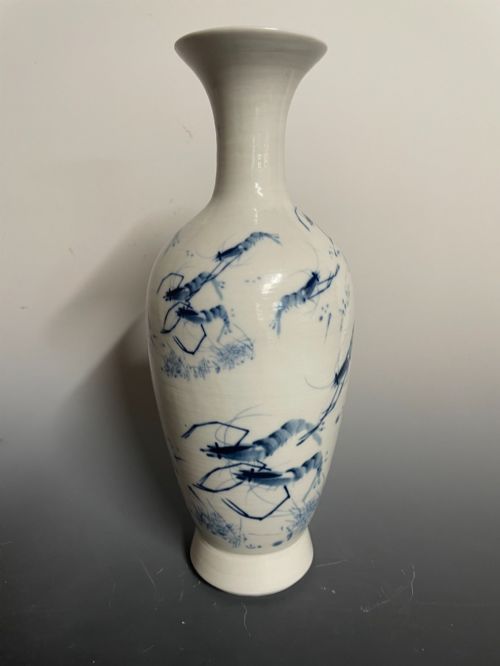
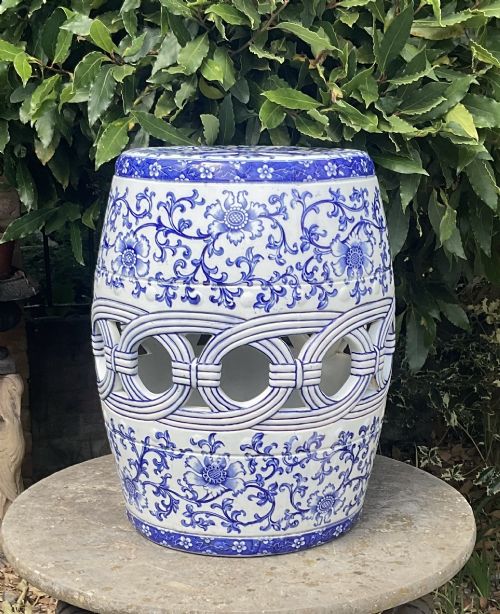
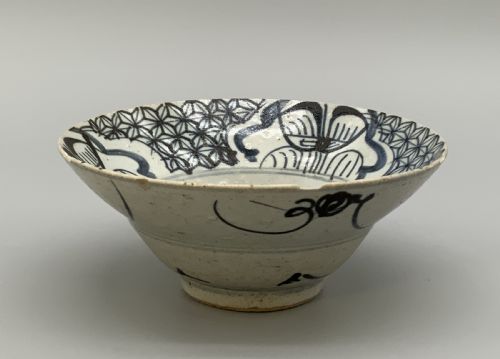
Chinese blue white pottery comprises vessels and utilitarian forms created across several dynasties and later revival periods, spanning the sixteenth century through the early twentieth century. You will encounter pieces ranging from utilitarian bowls and ginger jars to large chargers, garden seats, and scholar objects.
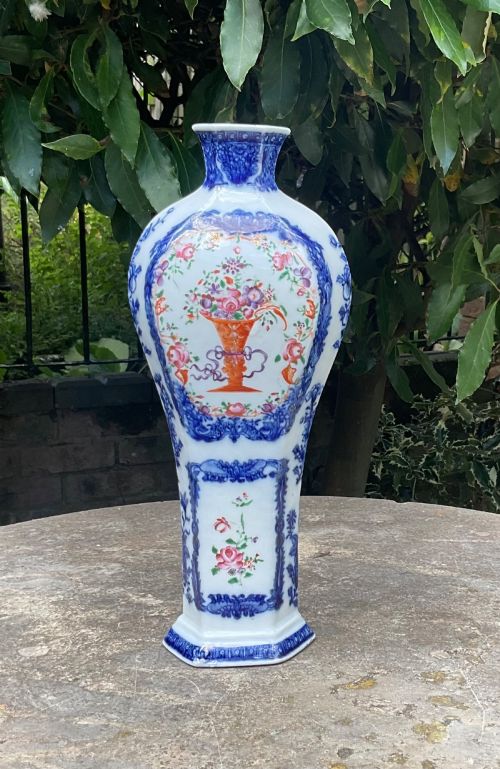
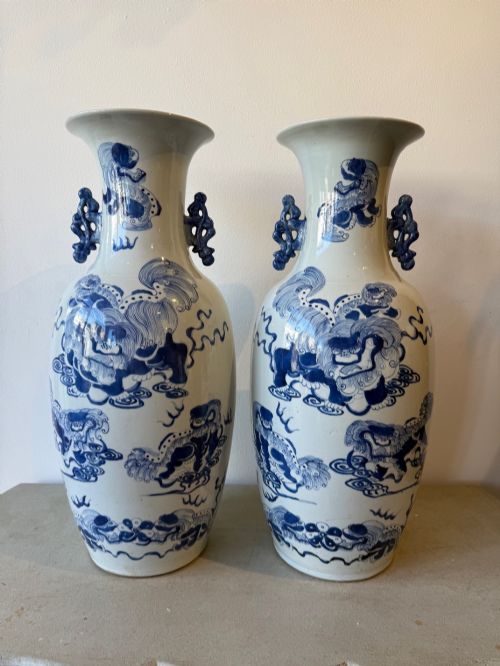
The selection here encompasses authentic imperial and export wares alongside European interpretations such as English pearlware and Delft plates created in the same aesthetic. Vases, jars, and teaware dominate the forms, reflecting the enduring demand for these functional and decorative domestic items.
Materials and Techniques
Makers utilised fine porcelain and earthenware bodies, coating them with transparent glazes before applying cobalt pigment to create the characteristic blue decoration. Cobalt underglaze application allowed the pigment to fuse permanently with the ceramic body during high-temperature firing, often supplemented by copper-red or enamel highlights.
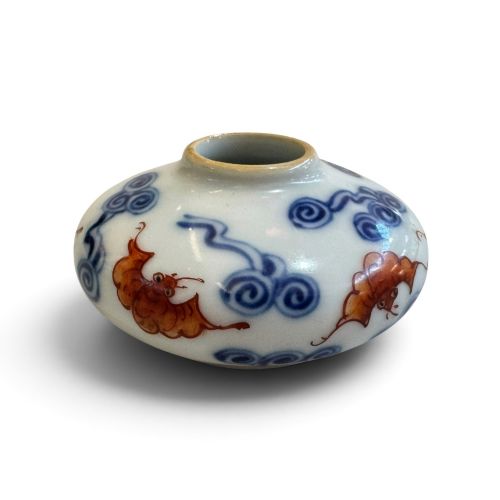
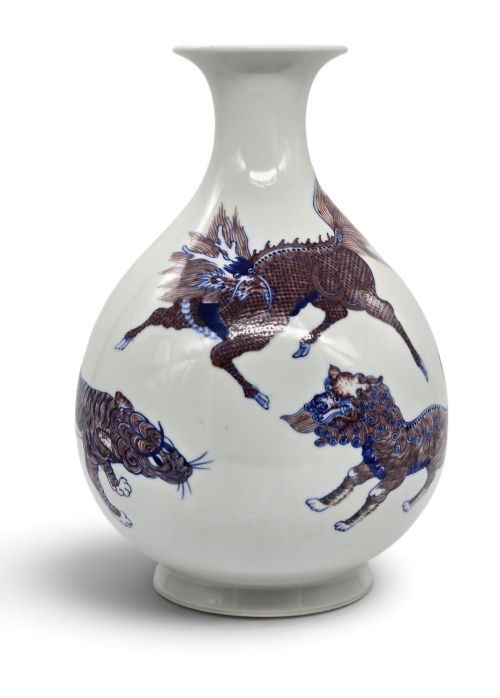
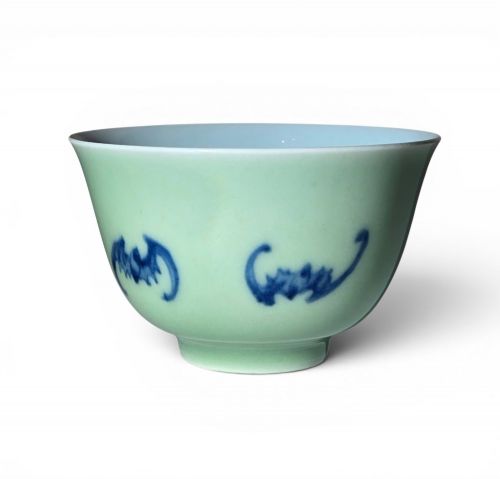
Moulding and wheel-throwing formed the primary vessel shapes, whilst intricate motifs like bats, clouds, and mythical beasts were hand-painted by skilled artisans. European potteries subsequently adopted similar transfer-printing and glazing methods to replicate the visual language of imported oriental wares.
Materials documented across the inventory include porcelain, earthenware, brass mounts, and traditional cobalt pigments.
Judging Quality
Quality rests upon the precision of the brushwork and the depth of the cobalt pigment against the white ground, distinguishing master painting from hurried commercial production. Crispness in incised motifs and clarity in underglaze marks further separate exceptional items from standard domestic wares.
The purity of the porcelain body and the evenness of the glaze application indicate the skill of the kiln firing. Pieces displaying a harmonious balance between form and painted detail command greater interest from collectors.
The Chinese Blue White Pottery Glossary
- Cobalt Underglaze
- A blue pigment applied to the ceramic body before glazing and firing at high temperatures. This technique ensures the colour remains permanent and protected beneath the glassy surface.
- Kraak Porcelain
- A type of Chinese export porcelain produced mainly during the Ming dynasty, characterised by panelled borders and central landscape or animal motifs. These bowls and dishes were widely traded by maritime companies.
- Ginger Jar
- A high-shouldered storage jar with a domed cover, originally used for spices and preserves before becoming a staple decorative ornament. Many surviving examples date to the Qing dynasty.
- Celadon-Ground
- A pale green jade-like glaze applied as a background colour beneath cobalt blue painted decoration. This subtle contrast appears on select scholarly pieces.
- Brush Washer
- A small vessel designed to hold water for cleaning calligraphy brushes in scholar studios. They often feature auspicious symbols such as bats and clouds.
Chinese Blue White Pottery: Frequently Asked Questions
How do I date Chinese blue white pottery?
Dating relies upon stylistic markers, reign marks, and the characteristics of the porcelain body and glaze. Comparing form and painting style against established period pieces helps narrow down the era.
Foot rims and base markings provide further clues, though apocryphal marks were frequently added in later centuries to honour earlier reigns.
Were these pieces used for daily dining?
Many bowls, plates, and teaware items served practical functions in households across Asia and Europe. Robust export wares were specifically manufactured for everyday service on long maritime voyages.
Other forms, such as brush washers and scholar objects, remained strictly within the domain of scholarly pursuits and literati displays.
What is the difference between export and domestic wares?
Export wares were produced specifically for foreign markets in Europe and the Middle East, often adapting shapes and patterns to suit Western tastes. Domestic wares adhered more closely to traditional imperial or local Chinese aesthetic standards.
Both categories utilised similar cobalt pigments and porcelain bodies, though export pieces frequently incorporated European heraldry or Chinoiserie motifs.
How should I care for antique porcelain?
Antique porcelain benefits from gentle cleaning with warm water and mild soap, avoiding harsh scrubbing or abrasive materials. Displaying items away from areas prone to accidental knocks ensures their continued preservation.
Wooden bases or padded rings help protect the glazed foot rims of bowls and vases from scratching during handling.