

Champagne Wine Bucket
A champagne wine bucket holds bottles at the table, blending function with period elegance for modern entertaining.
Champagne Wine Bucket
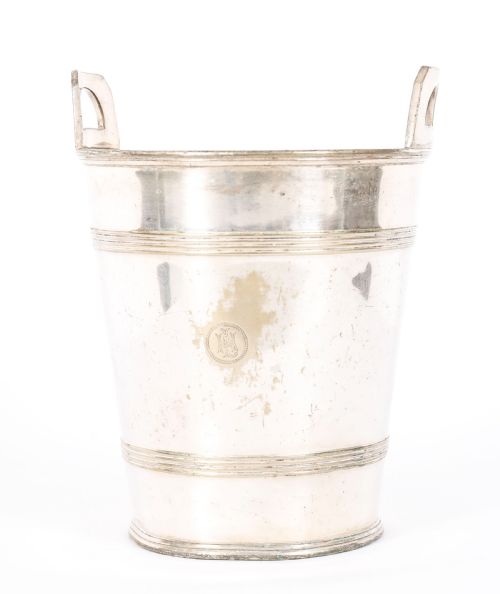
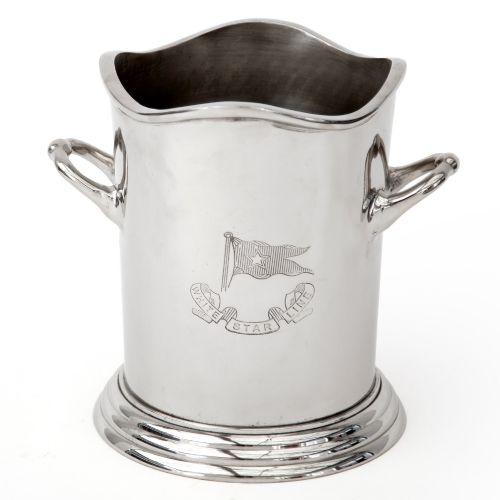
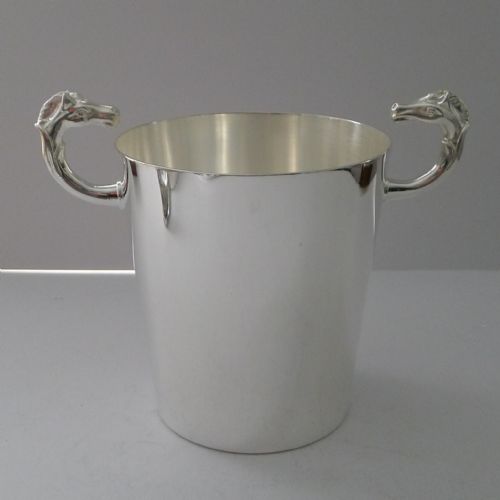
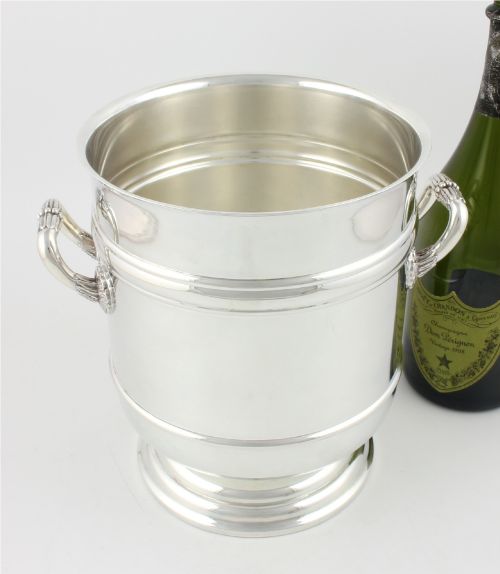
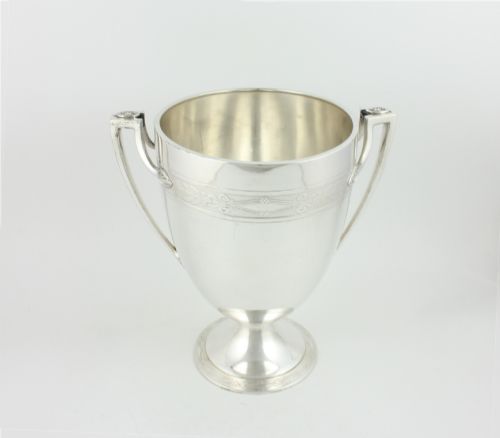
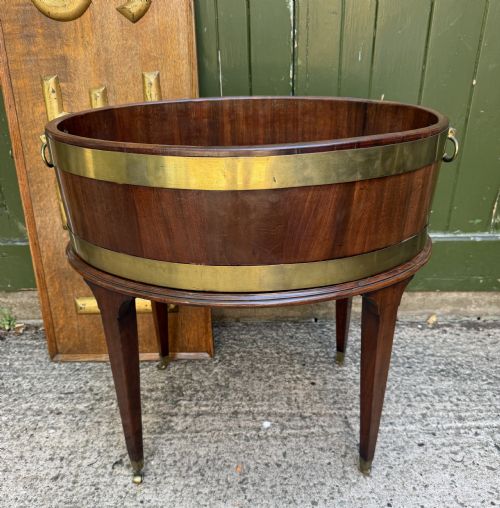
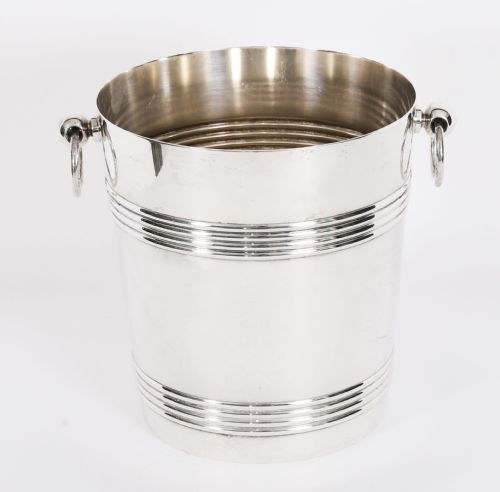
A champagne wine bucket serves to chill bottles at the dining table, taking forms from Georgian mahogany planters to sleek Art Deco metal vessels. When searching this phrase, collectors encounter utilitarian ice pails alongside elaborate presentation pieces meant for grand dining rooms.
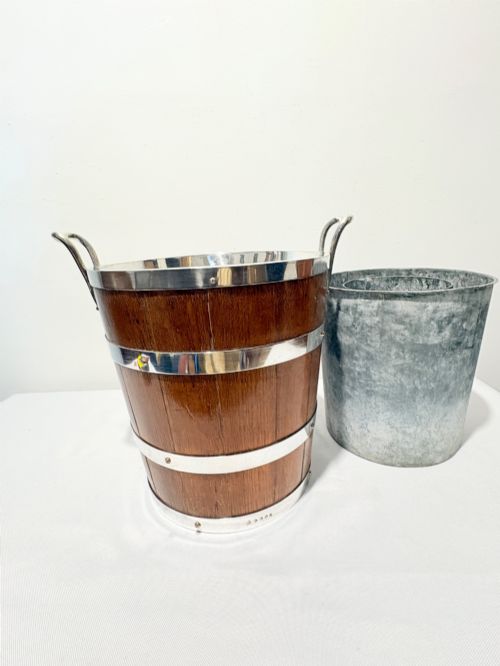
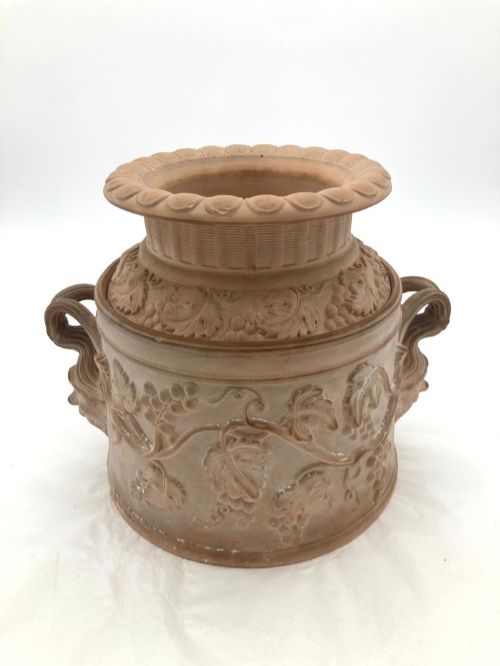
The selection spans from eighteenth-century wooden vessels with brass bands to twentieth-century silver plated cylinders by notable European makers. Metal versions dominate the later periods, while earlier centuries lean towards coopered timber and terracotta.
Materials and construction
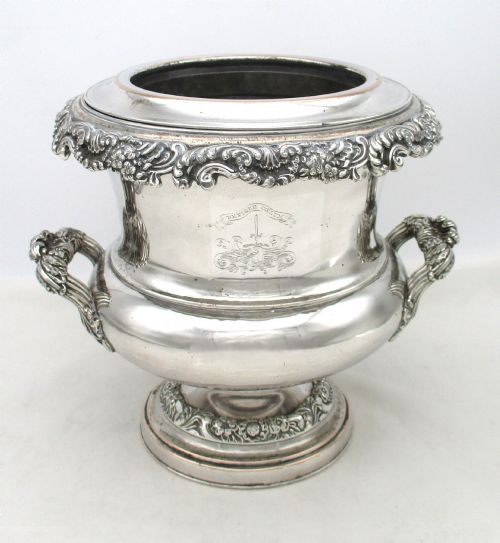
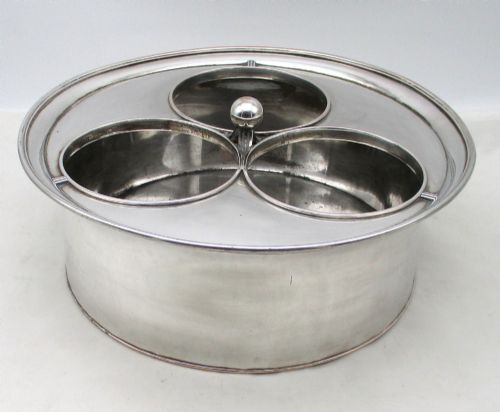
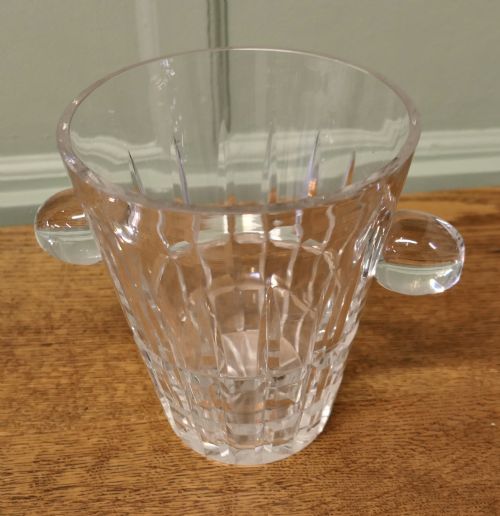
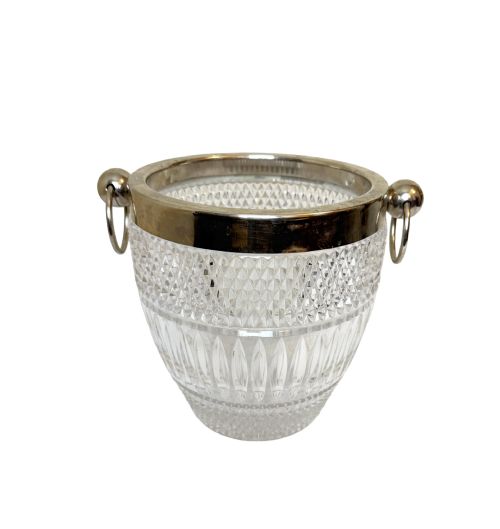
Makers utilised silver plate over copper, solid mahogany, brass, and cut crystal to build these vessels. Metal items often employ Old Sheffield plating techniques or heavy silver deposits on base metals, while wooden examples rely on traditional cooperage with tight staves and metal binding.
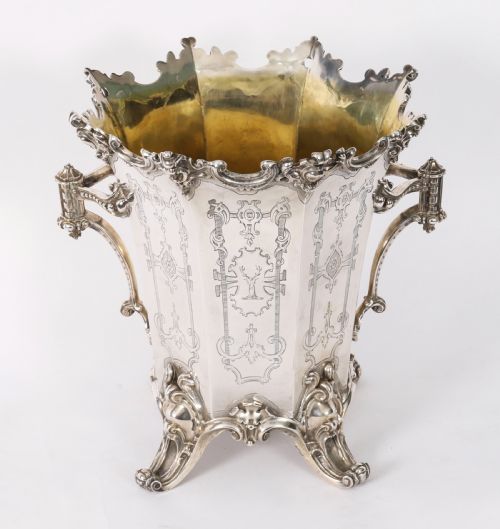
Decorations range from hand-cut crystal facets and applied crests to cast mounts in bronze or silver. Handles take the form of lion rings, naturalistic tendrils, or simple drop loops fastened securely to the body.
Listings feature silver plate, copper, brass, mahogany, and cut crystal across periods from the eighteenth century to the mid-twentieth century.
Assessing craftsmanship and condition
Quality rests in the weight of the metal, the crispness of cast mounts, and the integrity of the joins. Superior pieces maintain intact silver plating over copper bases without heavy wear revealing the underlying metal.
For wooden vessels, the tightness of the coopered staves and the original state of the inner liners determine the standard. Maker marks from established houses like Christofle or Elkington also distinguish finer examples from unmarked workshop output.
Christofle·Mappin And Webb·Elkington Mason And Co·Ercuis·WMF
The Champagne Wine Bucket Glossary
- Old Sheffield Plating
- A method of fusing a thin sheet of silver to a thicker copper core by heat and pressure. This technique produces characteristic edges where the underlying copper shows.
- Coopered
- Built from wooden staves fitted together and bound with metal hoops, much like a barrel. This construction method appears frequently on timber wine vessels.
- Gallia
- A metal alloy developed by Christofle used for many Art Deco and twentieth-century pieces. It allowed for sharp casting details in sculptural ice buckets.
- Silver Plate
- A thin layer of silver applied to a base metal such as brass or nickel silver. Most nineteenth and twentieth-century examples utilise this method.
Champagne Wine Bucket: Frequently Asked Questions
How do I clean an antique silver plated bucket?
Use a soft cloth and a gentle silver polish formulated for plated items to maintain the shine without stripping the coating.
Avoid abrasive pads or harsh chemical dips that can damage the underlying copper or base metal.
Can I use these buckets for daily dining?
These vessels were built for regular use and handle ice and bottled drinks effectively at the modern table.
Ensure wooden examples have their liners properly maintained to prevent moisture damage to the antique timber.
How do I date a silver plated wine bucket?
Examine the maker marks, style of handles, and manufacturing techniques such as Old Sheffield plating versus electroplating.
Design motifs like Art Deco geometric lines or Victorian rococo revival scrolls also point to specific decades.
What is the difference between an ice bucket and a wine cooler?
Wine coolers typically feature larger dimensions to accommodate tall bottles upright alongside ice and water.
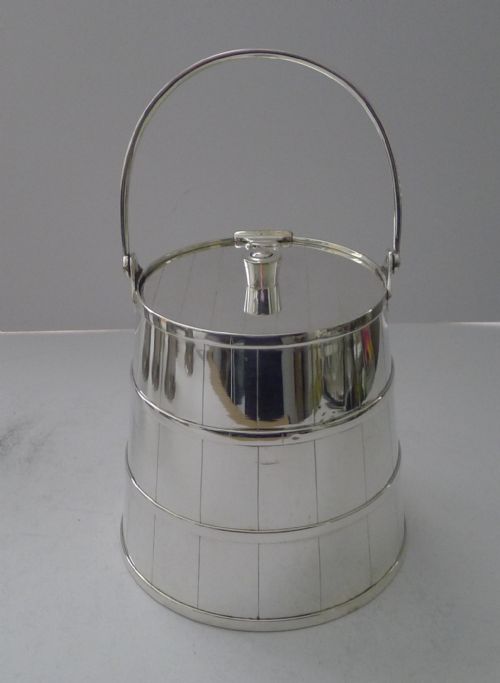
Ice pails often include lids and smaller volumes meant specifically for serving table ice rather than chilling whole bottles.