
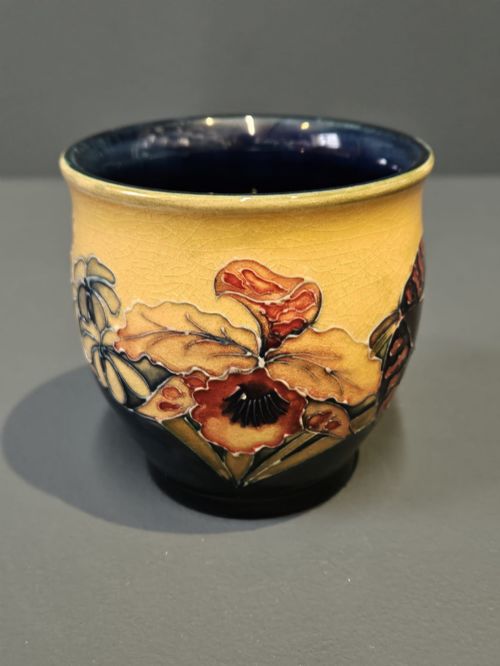
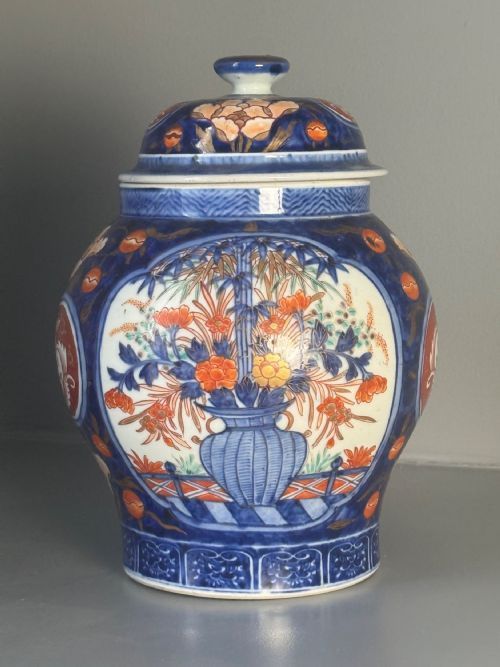
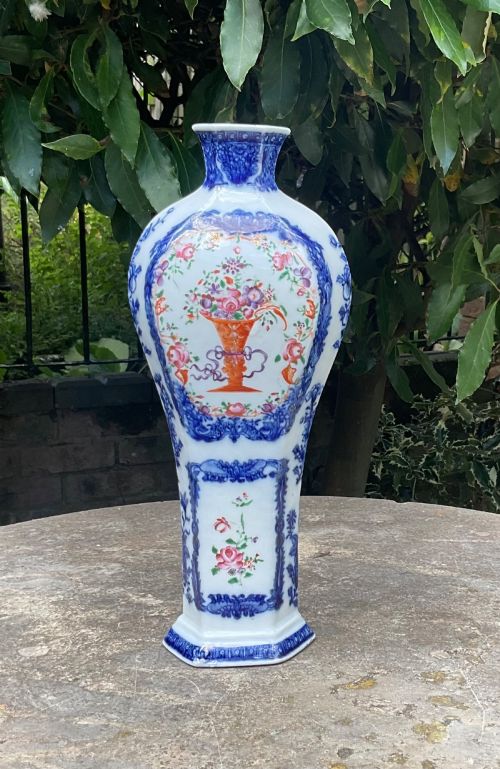
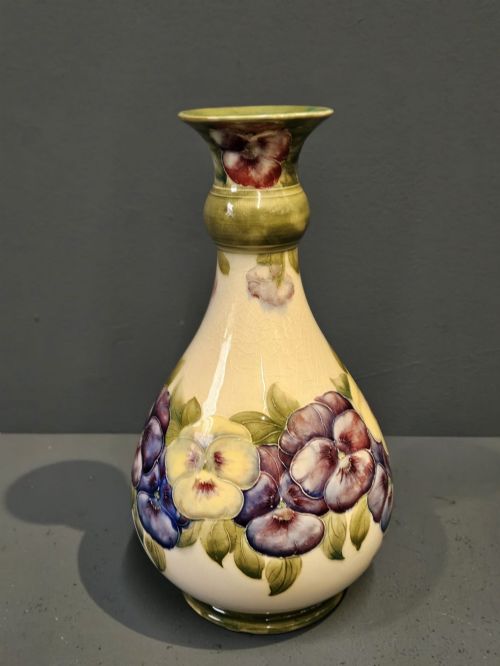
Ceramic Vase Floral Painting
When you handle a ceramic vase floral painting, you hold centuries of botanical artistry fired directly into porcelain, earthenware, and glazed clay.
Ceramic Vase Floral Painting
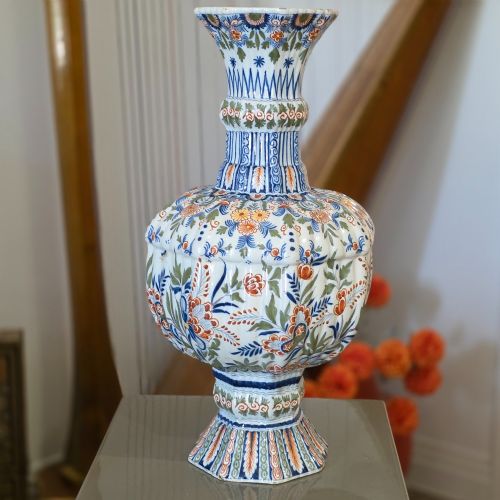
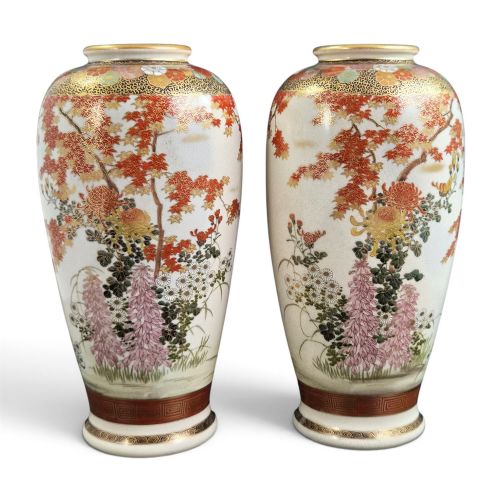
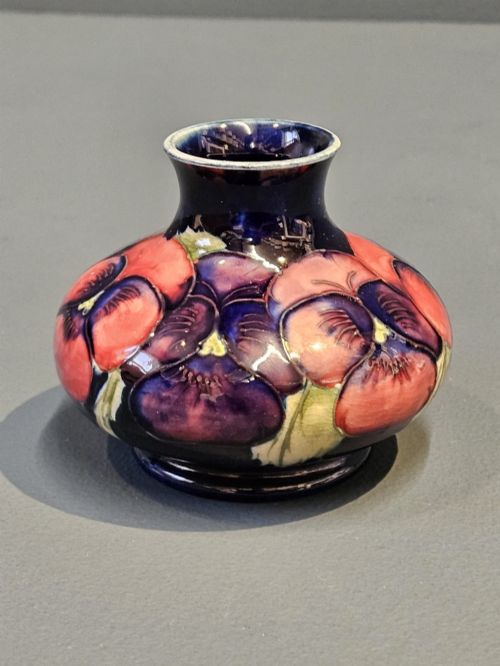
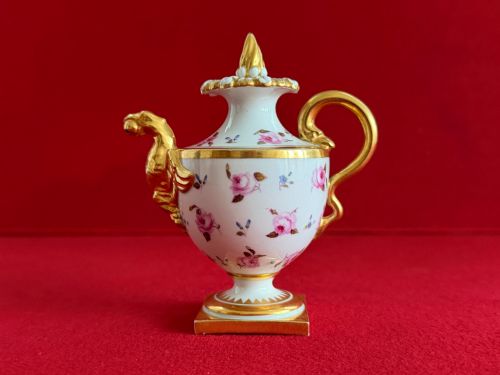
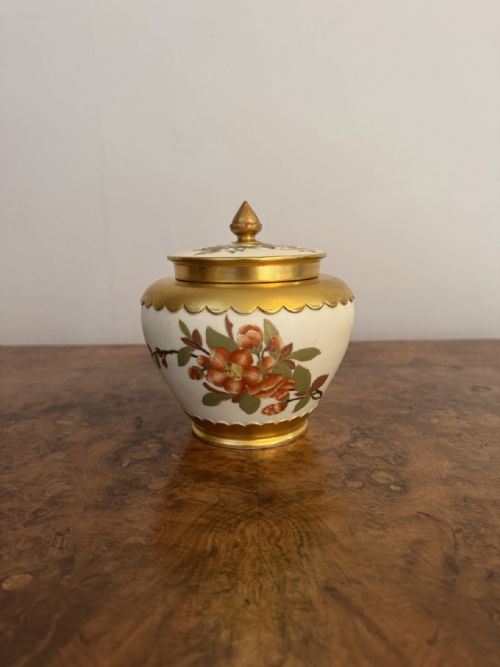
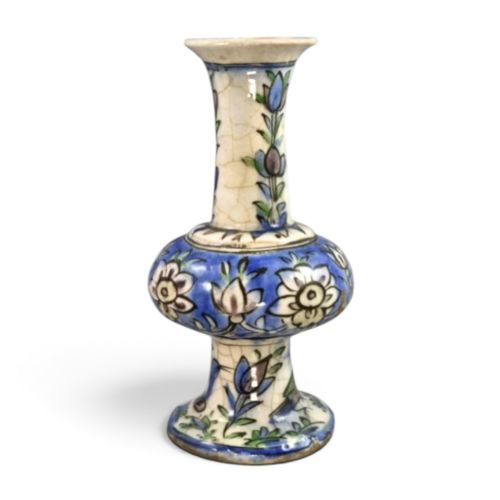
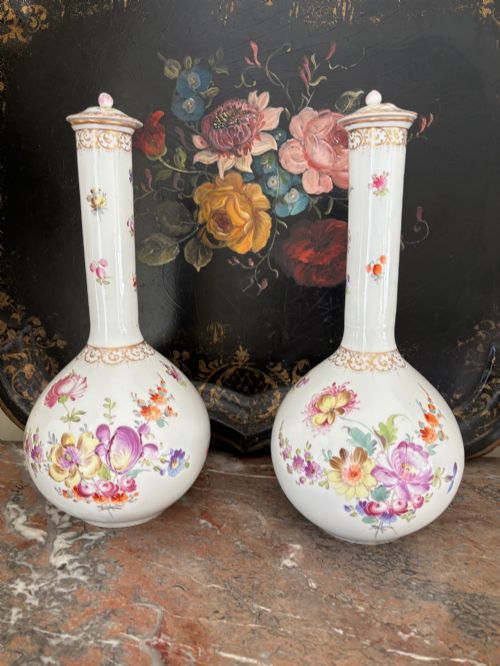
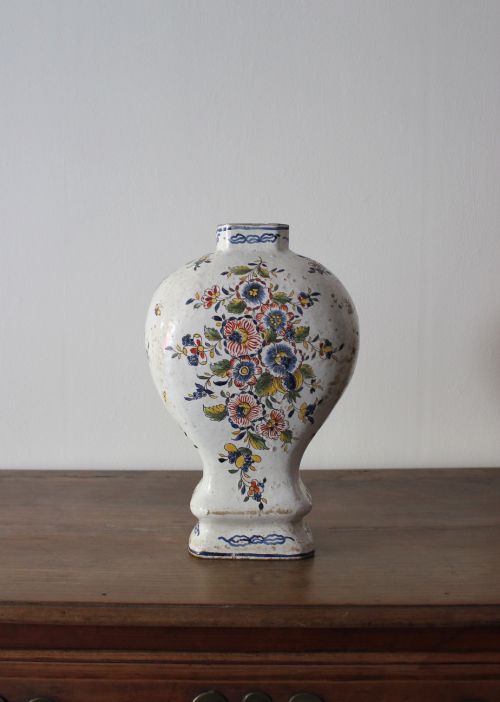
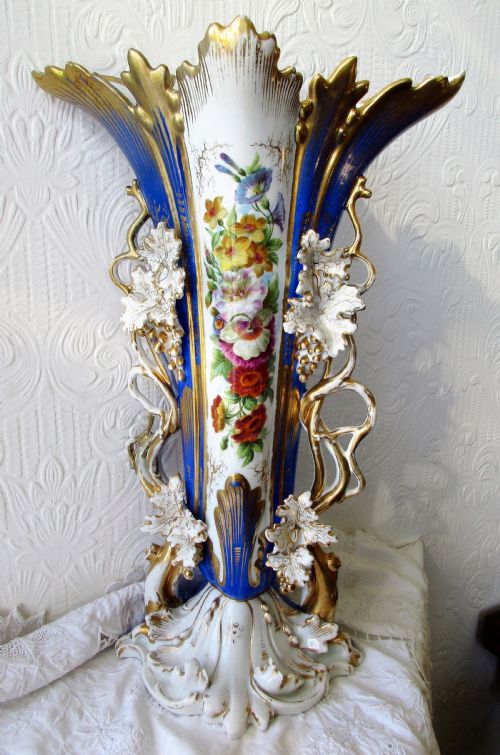
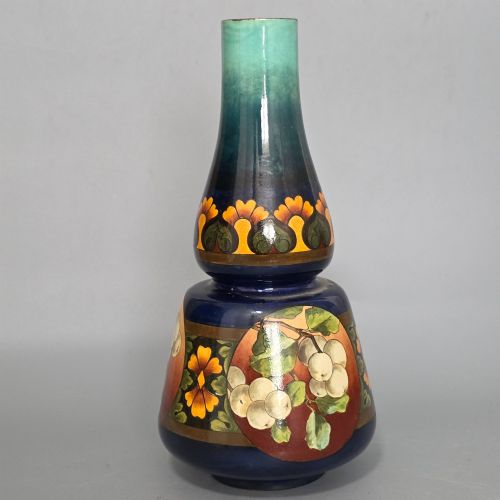
A ceramic vase floral painting brings botanical motifs directly onto decorative vessels, spanning periods from the eighteenth century through to the Edwardian era. You will frequently encounter forms originating from English factories, Japanese kilns, and continental European workshops.
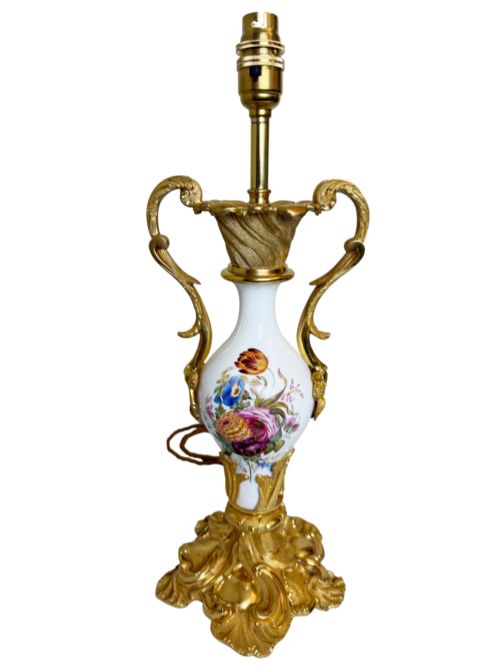
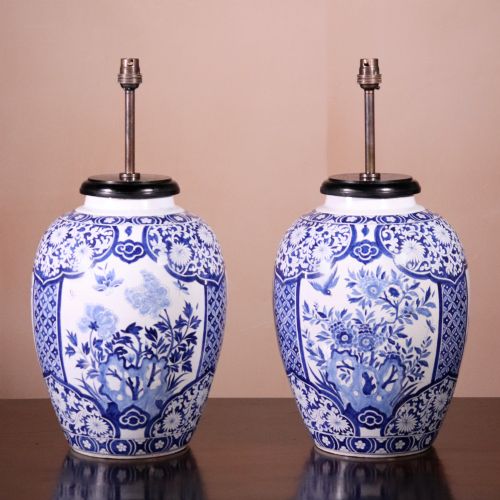
The selection ranges from bulbous lidded jars and campagna urns to petite table lamps and delicate potpourri pots. These pieces incorporate floral designs applied across various styles including Japanese Imari, Art Nouveau, and Rococo Revival.
How they were made
Makers shaped ceramic, earthenware, and porcelain bodies before applying intricate hand-painted floral decorations using enamel pigments. Many examples integrate gold leaf, gilding, and raised enamel highlights directly onto the glaze.
Techniques varied from tin-glazing on Delft earthenware to specialised faience painting methods used by English potteries and Japanese Satsuma workshops. Firing processes ensured the pigments fused permanently with the underlying glaze and ceramic body.
Several vases incorporate delicate dolphin handles alongside traditional garden blossoms, proving that nineteenth-century potters appreciated marine mammals in floral settings.
What varies in quality
The distinction between standard production wares and exceptional pieces rests upon the precision and complexity of the hand-painted floral design. Finer works display meticulous brushwork, subtle colour shading, and sophisticated placement of gilding.
Pottery execution also dictates overall merit, seen in the balance of the vase form, the clarity of the glaze, and the depth of the enamel work. Pieces bearing recognised studio marks or identifiable artist signatures command greater attention from collectors.
Royal Worcester·Doulton Lambeth·Moorcroft·Flight Barr And Barr·Sitzendorf·Samson Of Paris·Coalport·Meissen·H And R Daniel
The Ceramic Vase Floral Painting Glossary
- Baluster
- A vase form characterised by a rounded body that tapers toward the base and swells near the lower portion. This shape resembles an architectural baluster and provides a stable base for floral decoration.
- Polychrome
- Decoration employing multiple distinct colours across the ceramic surface. This technique allows for realistic depictions of petals, leaves, and stems.
- Faience
- Earthenware decorated with opaque coloured glazes, often featuring hand-painted botanical motifs. The technique yields a smooth surface suitable for detailed artistic expression.
- Glaze
- A glassy layer fused to the ceramic body through firing. It seals the porous clay and provides a glossy or matte background for enamel paintings.
- Campagna Urn
- A classical pedestal vase shape widening toward the rim, styled after ancient Roman marble vessels. Such forms are frequently mounted with handles and enriched with botanical paintings.
Ceramic Vase Floral Painting: Frequently Asked Questions
How do I identify the age of a ceramic vase floral painting?
Age is determined by examining the ceramic body, the style of the hand-painted florals, and any factory marks or registry numbers stamped underneath. Different periods favoured distinct glaze compositions and decorative motifs.
Comparing the potting technique and colour palette against documented examples from specific eras helps confirm the timeline of manufacture.
Were these floral vases meant for daily use?
Most of these vessels served primarily as decorative ornaments within domestic interiors, displayed on mantelpieces, pedestals, or centre tables. Some specialised forms were designed to hold potpourri or function as water sprinklers.
Their delicate enamel paintings and gilded surfaces meant they received careful handling rather than heavy utilitarian service.
How should I clean a hand painted floral ceramic vase?
Maintenance requires gentle dusting with a soft, dry cloth to protect the fragile enamel pigments and surface gilding. Moisture should be kept away from antique surfaces, especially where hand-painted decoration sits over the glaze.
Immersion in water or the use of chemical cleaning agents can permanently damage the historic paintwork.
What is the difference between earthenware and porcelain vases?
Earthenware is fired at lower temperatures, resulting in a porous body that requires an opaque glaze to hold liquid. Porcelain is composed of finer materials fired at high heat, producing a vitrified, translucent body.
Porcelain allowed makers to create thinner walls and more delicate forms for detailed botanical artwork.