
Floral Canvas Artwork
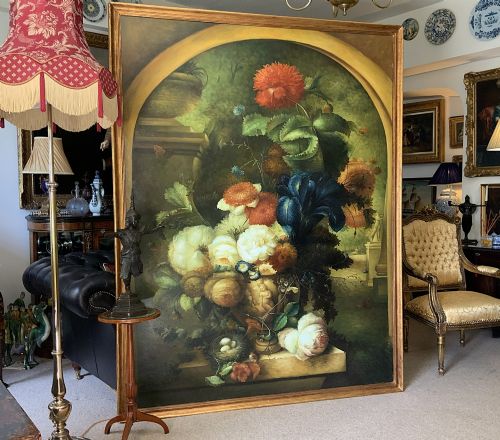
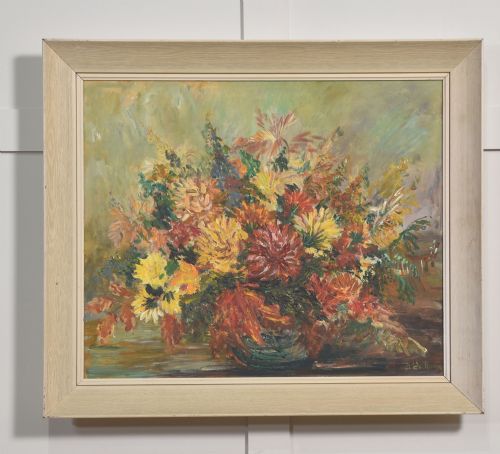
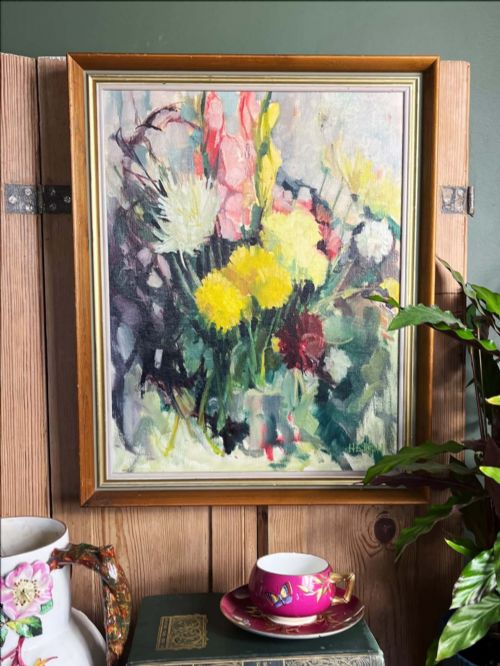
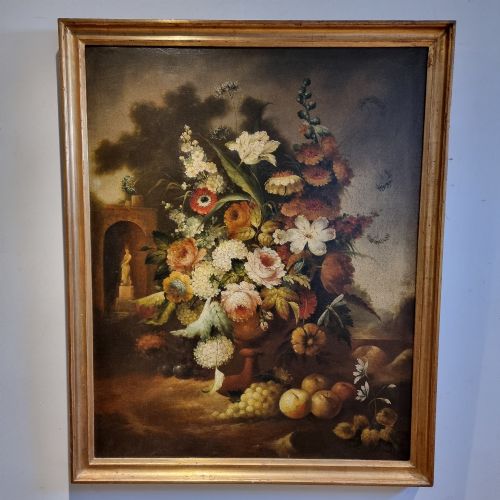
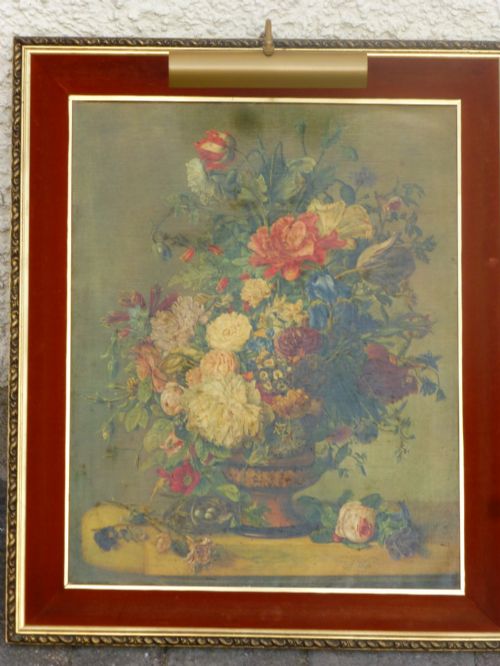
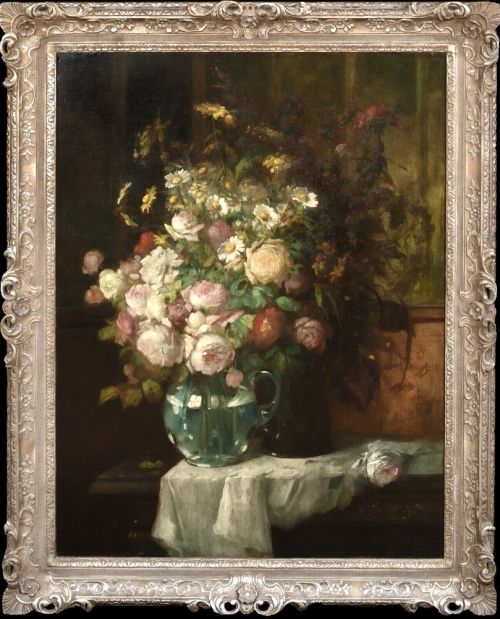
Floral canvas artwork brings together centuries of painted blooms, offering oil paintings on canvas framed in gilt gesso to anchor any room with botanical depth.
Floral Canvas Artwork
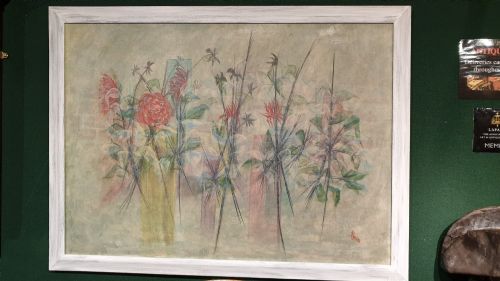
Floral canvas artwork comprises original oil paintings and fine art depictions of flowers, ranging from seventeenth-century Flemish compositions to mid-century impressionist studies.
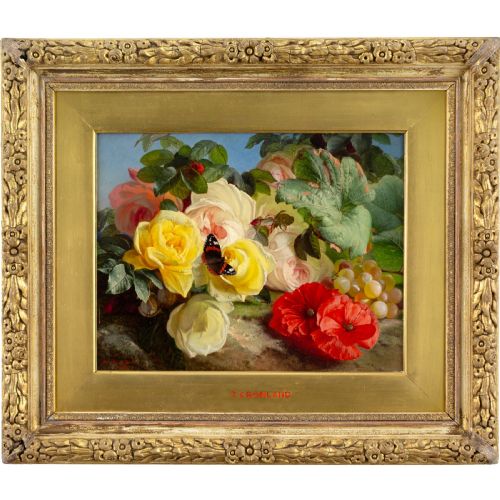
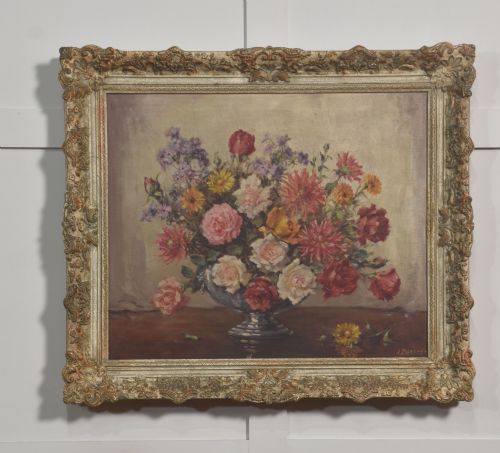
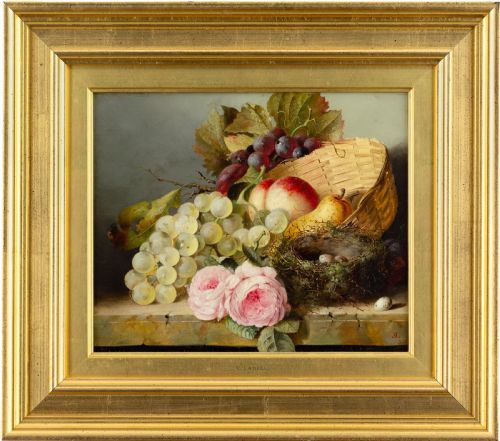
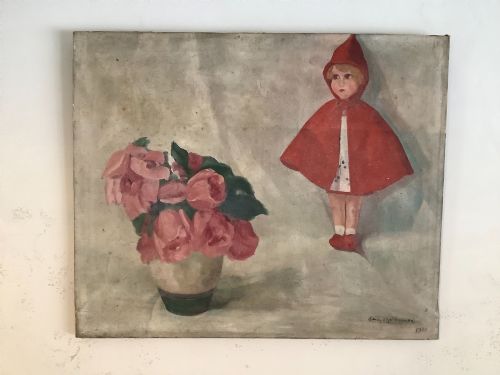
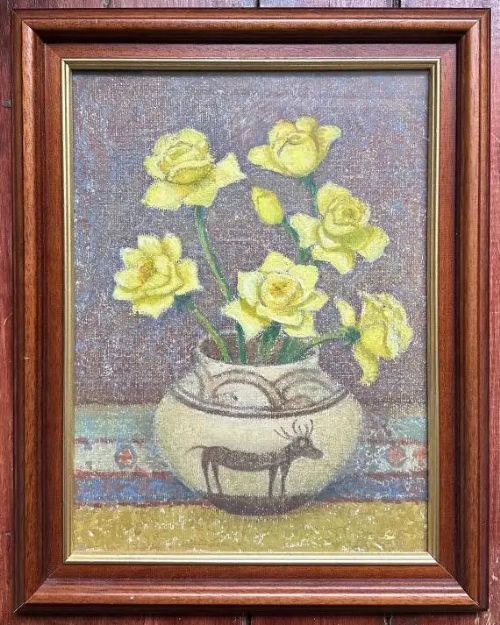
Buyers will most frequently encounter mid-century pieces, twentieth-century still lifes, and nineteenth-century canvases depicting roses, poppies, and seasonal bouquets.
The selections span distinct regional movements, including Dutch Golden Age styles, British Impressionism, and Flemish Baroque traditions.
How they were made
Artists painted primarily with oil paint upon stretched canvas or occasionally board, building up rich textures and deep colour fields.
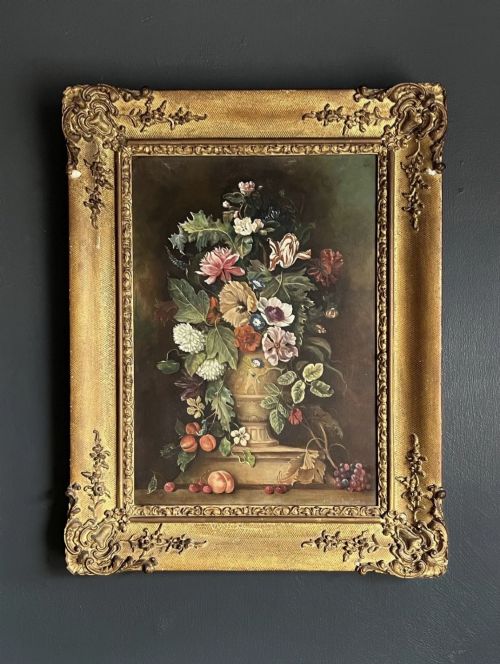
Many works are housed in period frames constructed from wood, finished with layers of gesso, and detailed with gold leaf or gilt finishes.
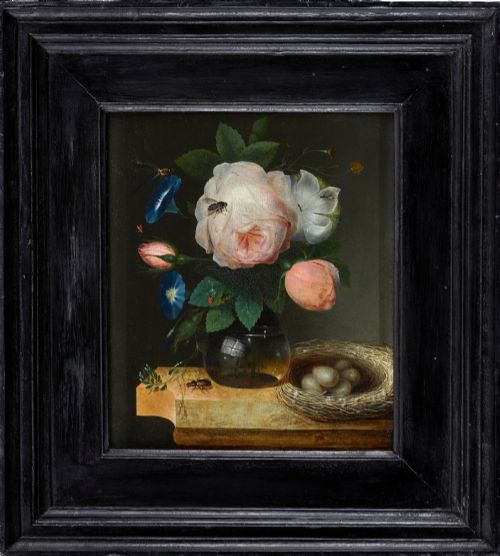
Surreal Flemish floral canvases occasionally hide unexpected winged visitors amongst the roses.
What varies in quality
The distinction between ordinary and exceptional works rests on the confidence of brushwork and the subtle handling of light across petals and foliage.
Compositional balance and the harmony of the surrounding frame elevate certain mid-century and nineteenth-century canvases above standard decorative pieces.
Theude Gronland·I Berezny·D L Williams·Konstantin Stoitzner·Edward Ladell·Emma Fordyce MacRae·Gaspar Peeter Verbruggen·Peter Newcombe·Manuela Bonati·William Thomas Wood·Owen Bowen·Gertrude Hayes·Simon Pietersz Verelst·Thomas Bromley Blacklock·Amile Coppieters
The Floral Canvas Artwork Glossary
- Canvas
- A heavy woven fabric stretched across a wooden frame to serve as a sturdy support for oil paintings. It provides a textured surface that catches the pigment effectively.
- Gilt
- A thin layer of gold leaf or gold paint applied to wooden frames. This technique enhances the decorative presence of the artwork.
- Gesso
- A plaster-like mixture applied to wooden frames as a base for moulding and gilding. It creates a smooth, durable surface for ornamental details.
- Impressionism
- An artistic style characterised by relatively small, thin yet visible brush strokes and an emphasis on accurate depiction of light. It flourished across various European schools during the nineteenth and twentieth centuries.
- Still life
- A painting featuring inanimate subject matter, typically commonplace objects such as flowers, fruit, or vessels. These arrangements allow artists to focus on colour, texture, and light.
Floral Canvas Artwork: Frequently Asked Questions
How do I care for a vintage floral oil painting on canvas?
Keep the canvas away from direct sunlight and steady moisture to prevent the oil paint and canvas fibres from degrading over time. Dust the surface very gently with a dry, soft cloth without pressing into the weave.
Avoid using liquid cleaners or chemical solvents on the paint or the gilt frame. Professional conservators should handle any deeper cleaning or canvas tension adjustments.
How can I tell a seventeenth-century floral still life from a later copy?
Early works typically utilise heavy linen canvas preparations, specific pigment mixtures consistent with period chemistry, and stretched frames joined with traditional wooden pegs. The handling of botanical details reflects the meticulous nature of the Dutch Golden Age.
Later interpretations often reveal modern canvas weaves, machine-cut stretcher bars, or brushwork habits characteristic of mid-century impressionism.
Where should I hang a large floral canvas artwork?
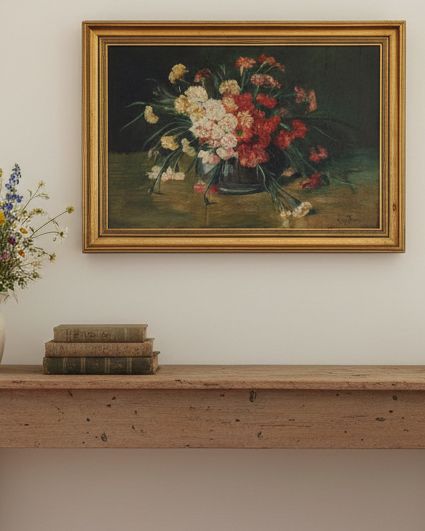
These pieces suit principal reception rooms, dining areas, or hallways where natural light can illuminate the brushwork and the reflective qualities of the gilt frame. Ensure the wall space allows the frame to breathe without crowding.
Position the centre of the canvas at standard eye level to create a natural focal point within the interior layout.