



British Oil Painting Artwork
British oil painting artwork captures centuries of island life, portraiture and landscape through the rich medium of applied pigments.
British Oil Painting Artwork
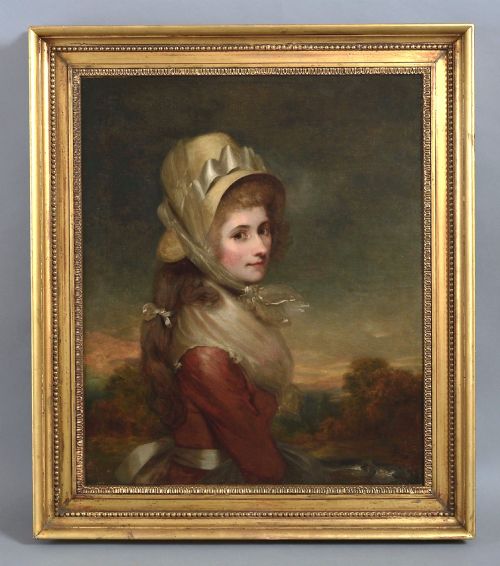
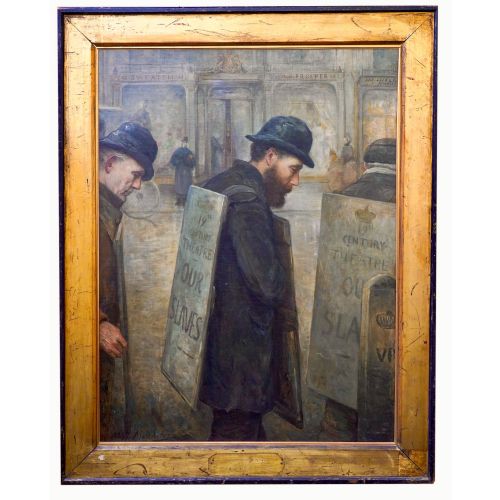
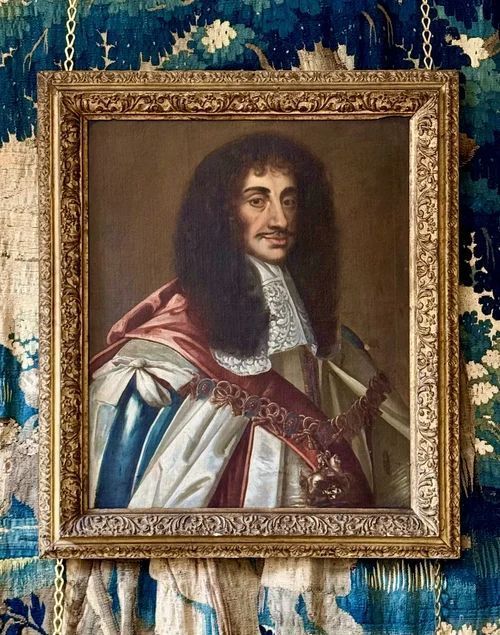
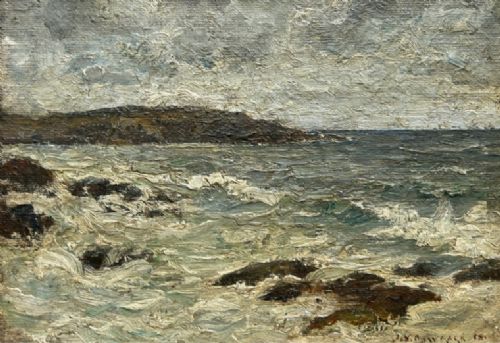
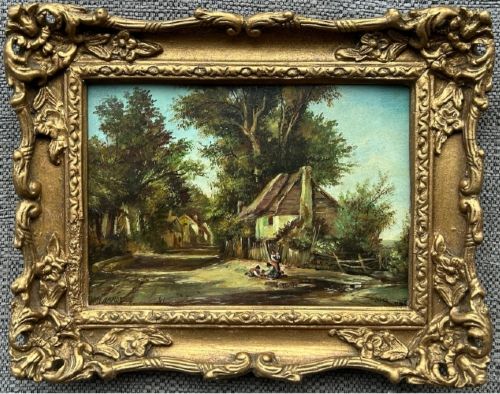
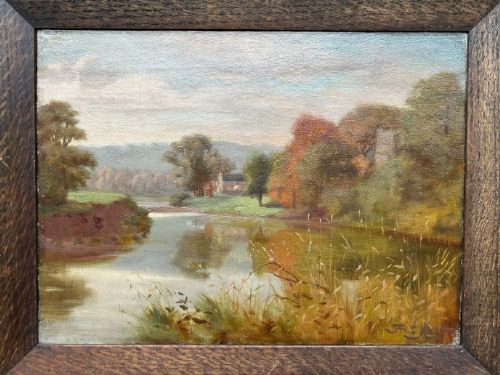
When you search for british oil painting artwork, you encounter centuries of visual history executed on canvas, wood panel and board. These creations range from grand eighteenth-century portraits and pastoral nineteenth-century landscapes to mid-twentieth-century maritime scenes and coastal views.
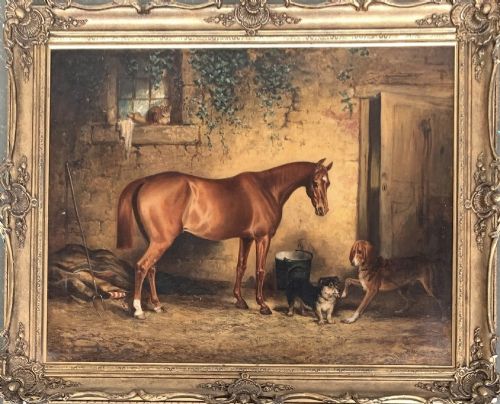
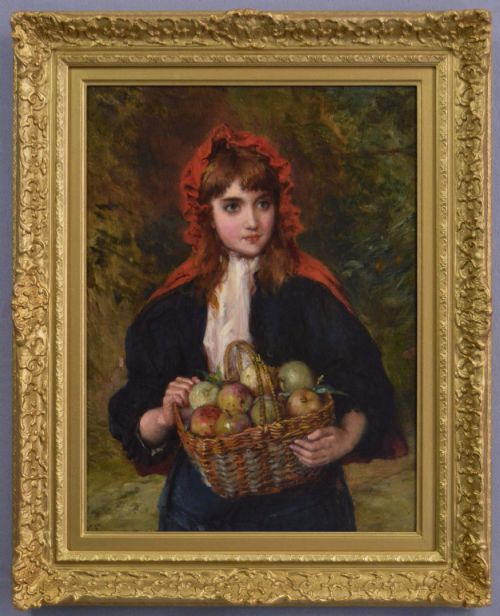
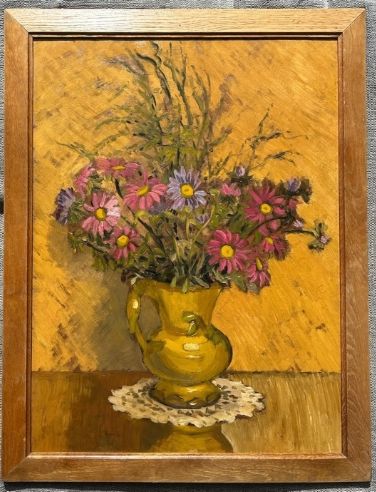
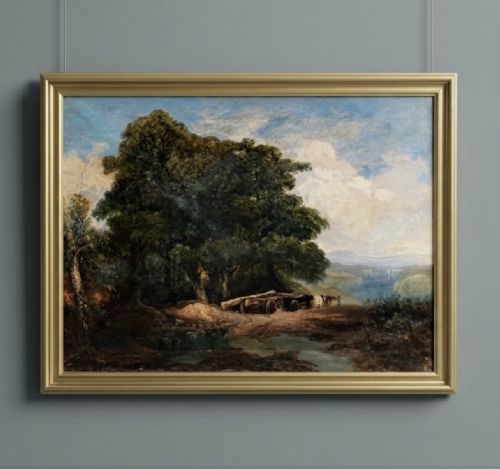
The versions you are most likely to meet on this page span the Victorian era, the Edwardian period and the mid-twentieth century. Subjects divide cleanly between domestic interiors, agricultural animals, maritime harbours and romantic countryside vistas recorded by British artists.
How they were made
Makers applied oil paint using brushes and palette knives onto prepared supports of woven canvas, rigid wood panels or thick board. Grounds of gesso or lead white provided a stable foundation for the slow-drying oil mediums.
Framing typically involved carved and gilded wood, known as giltwood, which protected the edges of the canvas and complemented the tonal depth of the pigments within the composition.
Several canvases record the serious business of racing pigeons and prized shorthorn bulls alongside aristocratic portraits.
What varies in quality
The distinction between ordinary and superior pieces rests upon the confidence of the brushwork, the handling of light and shadow, and the anatomical accuracy of figures or animals. Skilled hands render depth and atmosphere with economy and precision.
Compositional balance and the preservation of the original paint surface also dictate the standing of a work. Unrestored pigment layers retain the intended vibrancy, whereas heavy overpainting obscures the artist's original touch.
William Oliver·Kenneth Cozens·Richard Sebastian Bond·Felix Stone Moscheles·William H Myers·Tom Campbell·Clifford Hanney·Frederick Marriott·Arthur Wardle·John Opie·John Horace Hooper·William Joseph Shayer Senior·Alfred Fontville de Breanski Jr·Oliver Clare·Edward Mills·Kershaw Schofield·Herbert Royle·Stephen Samuel Lewin·Robert Morson Hughes·Thomas Barker of Bath·Thomas W Lascelles·Mark William Langlois·David Bates
The British Oil Painting Artwork Glossary
- Oil on Canvas
- Pigments bound in a drying oil, typically linseed, applied to a stretched woven fabric support. This combination allows for rich blending and textured impasto.
- Impasto
- Paint applied thickly to a canvas or panel, standing out in relief from the surface. It gives a tangible, tactile quality to light and shadow within the artwork.
- Giltwood
- Wood that has been coated with a thin layer of gold leaf or gilt powder. Antique frames utilise this material to enhance the visual weight of the painting.
- Genre Painting
- The pictorial representation of scenes from everyday life, involving ordinary people engaged in common activities. These works provide social history through domestic narratives.
British Oil Painting Artwork: Frequently Asked Questions
What subjects are most common in British oil paintings?
Landscapes, coastal marine views and portraits dominate the historic output of British artists. Domestic scenes and agricultural animals also appear frequently across the nineteenth and twentieth centuries.
These subjects reflect the shifting cultural interests of patrons and collectors over successive generations, from grand portraiture to intimate rural studies.
How do I identify the period of an oil painting?
Examination of the stretcher frames, canvas type, pigment composition and style provides reliable chronological indicators. Fashion in dress and hair for portrait subjects offers further clues.
Signatures, dates inscribed on the reverse, and maker stamps on the canvas or board help narrow down the exact decade of creation.
Should oil paintings be displayed away from direct sunlight?
Sunlight accelerates the fading of sensitive organic pigments and causes varnishes to yellow over time. Indirect ambient light preserves the original colour balance.
Stable indoor humidity and temperature prevent the wood panels and canvas supports from warping or cracking across seasonal shifts.
What is the difference between canvas and panel supports?
Canvas provides flexibility and texture, woven from flax or hemp and stretched over a wooden frame. Panels offer a rigid, smooth surface made from wood or thick cardboard.
Panels generally suffer less from sagging over the decades, whereas canvas allows for larger compositional scales.