


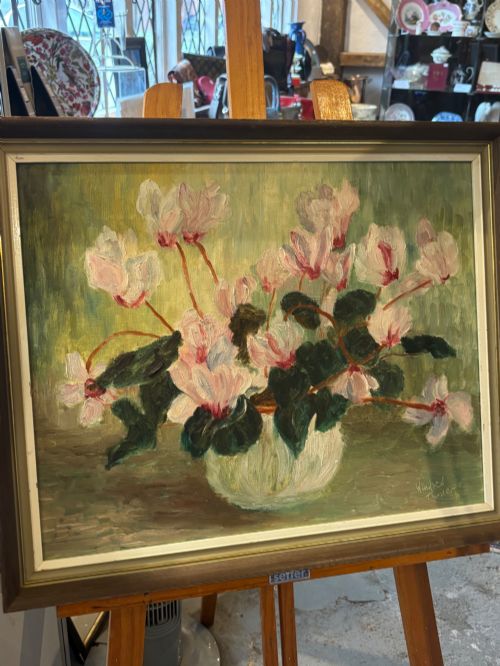


British Still Life Painting
British still life painting captures domestic arrangements of flowers and fruit, offering a quiet study in texture and light.
British Still Life Painting
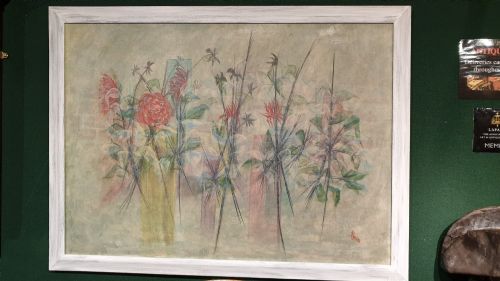
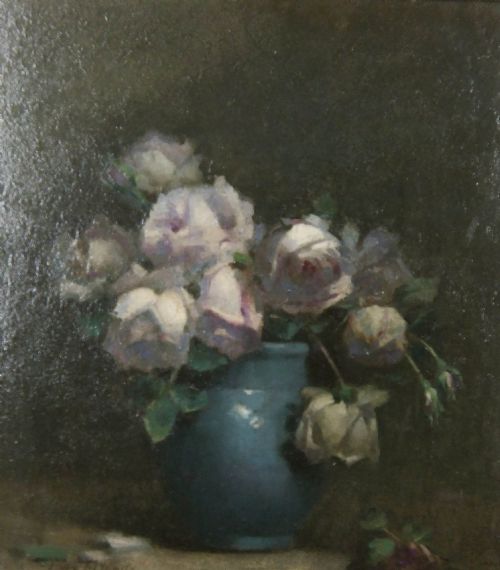
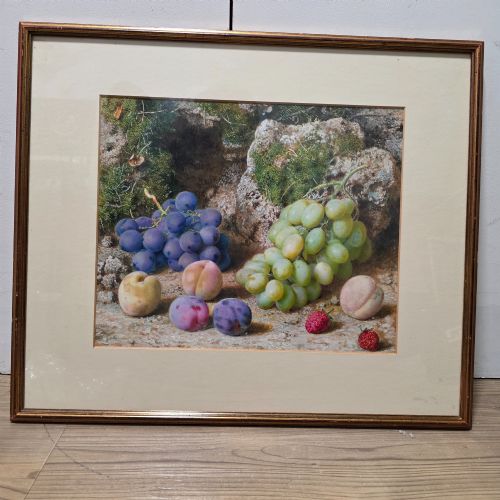
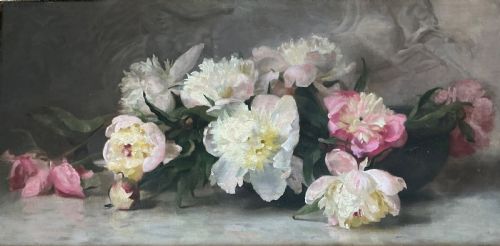
When you search for british still life painting, you encounter works spanning from the nineteenth century through the mid-twentieth century. The selection ranges from Victorian studies of fruit and blossoms to modernist floral compositions.
Most examples depict tabletop subjects such as flowers in jugs, bowls of apples, or arrangements of roses and peonies. These works appear in various forms, including oil paintings on canvas or board, watercolours on paper, and tempera on panel.
The tradition encompasses several distinct regional schools and academic backgrounds, from the St Ives painters to the English Country House aesthetic.
How They Were Made
Artists painted primarily with oil or watercolour, applying pigment to stretched canvas, wooden panels, heavy paper, or board. Some compositions utilise tempera or gouache to achieve specific matte textures and precise botanical detail.
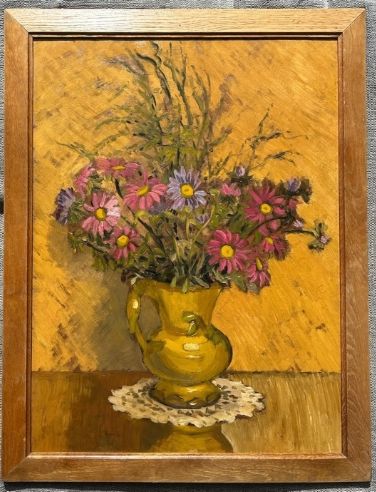
Supports often bear the marks of studio practice, with oil works showing varied brushwork and impasto, while watercolours rely on translucent washes layered on paper.
Several artists clearly had a favourite jug, as the exact same ceramic vessel reappears across multiple tabletop flower arrangements.
What Varies in Quality
The distinction lies in the handling of light, shadow, and spatial depth within a confined tabletop arrangement. Stronger works demonstrate confident brushwork and a controlled palette that brings dimension to everyday objects.
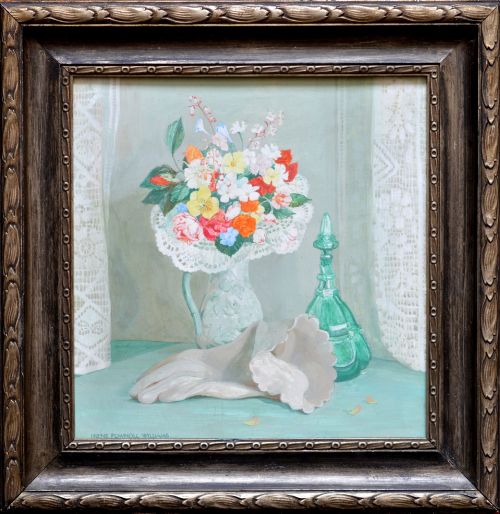
Compositional balance separates standard decorative studies from more observant pieces, particularly in the rendering of petals, foliage, and reflective surfaces like glass vessels.
Irene Christobelle Pownoll Williams·Kenneth Cozens·Oliver Clare·Mark Ingram·William Thomas Wood·John Sherrin·Owen Bowen·Denis Mitchell·James Tower·Gertrude Hayes·Winifred Turner·William Edward Fox·Florence Hess·Edward Ladell·Lester Sutcliffe·Vincent Clare·Kershaw Schofield·Sir Matthew Smith·Edward Carter Preston·Edith Barrow·Freda Marston·Rowland Henry Hill·Stuart Armfield·Phyllis I Hibbert·Lena M Alexander
The British Still Life Painting Glossary
- Impasto
- Paint applied thickly to a canvas or board, creating a tactile, raised surface that catches the light. This technique is common in mid-century oil paintings.
- Tempera
- A permanent, fast-drying painting medium consisting of coloured pigment mixed with a water-binder, often applied to wooden panels.
- Gouge
- A tool used in printmaking, though the term occasionally appears in descriptions of carved wooden frames surrounding these paintings.
- Provenance
- The documented history of ownership of a work of art, tracing its origin and passage through time.
- Gouache
- An opaque watercolour medium containing pigment and a binding agent, producing a flat, matte finish.
British Still Life Painting: Frequently Asked Questions
What periods do these paintings cover?
The works span from the Victorian era through the Edwardian period and into the mid-twentieth century. Early pieces often feature detailed realism, while later works lean towards impressionism and modernism.
Examples from the 1930s and 1940s reflect broader shifts towards simplified forms and domestic geometry.
What subjects are most common?
Floral arrangements in jugs, vases, and baskets dominate the selections, alongside bowls of fruit such as grapes, pears, and apples. Some compositions incorporate glassware, foliage, or musical instruments.
These domestic objects provided artists with stable arrangements to explore colour relationships and light.
How do I identify a watercolour from an oil painting?
Watercolours are painted on paper, often showing translucent washes and the texture of the sheet beneath, and typically require glass for protection. Oil paintings utilise canvas, wood, or board as a support, possessing a heavier paint layer that may display visible brush marks.
Examining the surface closely under good light reveals the distinct medium.
Where were these artists trained?
Many painters attended regional art schools and institutions such as the South Kensington Art School, while others belonged to distinct regional groups like the St Ives School or the Staithes artists.
Their training influenced whether they adopted traditional academic realism or a more experimental modern approach.