




Ceramic Jardiniere Bowl
A ceramic jardiniere bowl brings living plants indoors with substance, drawing the eye through deep glazes, painted detail and historic weight.
Ceramic Jardiniere Bowl
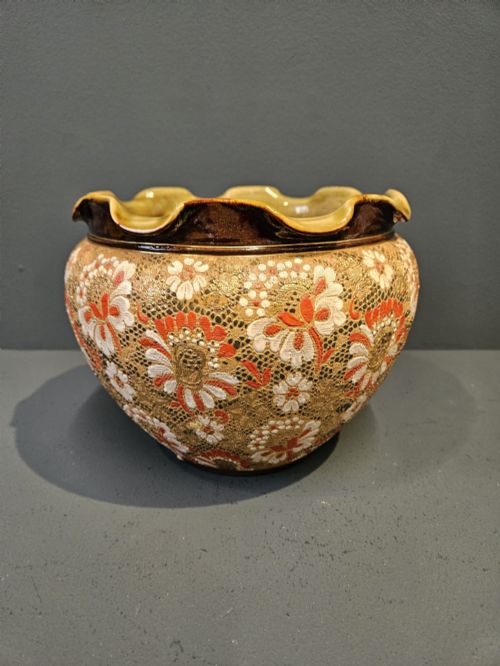
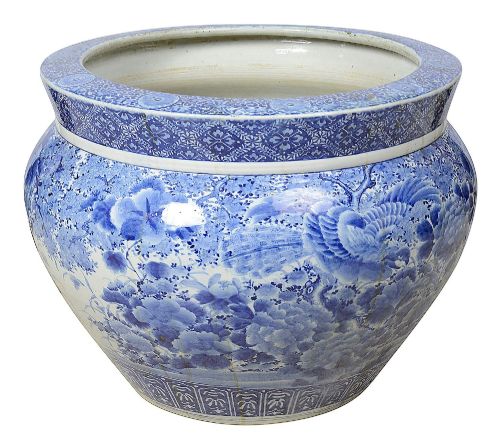
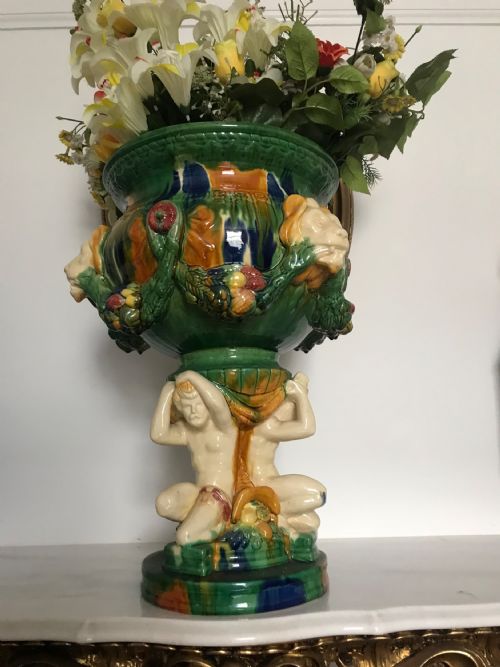
A ceramic jardiniere bowl serves primarily as a decorative vessel for holding potted plants, functioning historically both on the floor and atop dedicated stands. When you search for this phrase, you meet forms spanning the eighteenth, nineteenth and early twentieth centuries, drawing on English, European and Asian traditions. The selection ranges from robust nineteenth-century majolica and blue-and-white fish bowls to delicate Imari porcelain and English earthenware.
The English examples lean towards Victorian and Regency aesthetics, often utilising transfer-printed blue and white or rich glazes from makers like Doulton and Coalport. Alongside these sit large Japanese Arita and Chinese Canton pieces, frequently decorated with intricate famille rose palettes or bold cobalt patterns. You also encounter grand Italian majolica planters featuring figural bases and sculptural details.
Many of these vessels double as centrepiece bowls or cachepots, designed to conceal ordinary plant pots while protecting interior surfaces. The range includes monumental floor-standing pieces alongside smaller table specimens, occasionally accompanied by associated hardwood stands. Whether rendered in stoneware, porcelain or earthenware, each piece reflects the decorative priorities of its specific period.
Assessing quality
Quality in these pieces rests upon the crispness of the modelling, the depth of the glaze and the precision of the painted or printed decoration. Superior examples display clean lines in sculptural elements such as lion-head mounts or figural bases, whereas lesser pieces can exhibit sluggish moulding and blurred details. The control shown during the kiln firing dictates whether the glaze runs smoothly or pools unevenly across the surface.
The hand-painted detail on nineteenth-century Chinese and Japanese porcelain reveals the artisan's direct skill through controlled brushwork and harmonious colour palettes. In English wares, the alignment of transfer prints and the richness of applied enamel or gold leaf separate standard production items from exceptional studio pieces. The weight and resonance of the ceramic body further indicate the density and refinement of the original materials.
Ceramic Jardiniere Bowl Retail Price Guide 2026
Typical asking prices for ceramic jardiniere bowl among the pieces listed under this phrase on Sellingantiques today, from the lower quarter to the upper quarter. They describe what is for sale here now, not the wider market.
The inventory combines English transfer-printed liners with monumental Italian majolica and Asian export bowls.
Doulton Lambeth·Doulton Burslem·Royal Dux·Royal Worcester·Royal Crown Derby·Coalport
The Ceramic Jardiniere Bowl Glossary
- Jardiniere
- A large decorative pot or bowl designed to hold plants or flowers. The term derives from the French word for gardener.
- Majolica
- A type of earthenware coated with an opaque tin-lead glaze and brightly painted. It gained immense popularity during the Victorian era for sculptural planters.
- Cachepot
- A decorative container used to hide an inner flowerpot. Unlike a jardiniere, a cachepot typically lacks drainage holes.
- Imari
- A style of Japanese porcelain decorated in underglaze blue, iron red, and gold. This ware was extensively exported to Europe from the seventeenth century onwards.
- Famille Rose
- A major palette of Chinese ceramic glazes featuring opaque pink or purple enamel. This decorative scheme flourished during the Qing dynasty.
Ceramic Jardiniere Bowl: Frequently Asked Questions
What is a jardiniere bowl used for?
These vessels house potted plants and flowers, acting as an ornamental container for interior greenery. They allow large specimens to sit directly on floors, tables or plant stands without exposing utilitarian plastic pots.
Historically, they also functioned as grand centrepieces for tables or wash stands. Their waterproof ceramic bodies protected fine furniture from moisture.
How do I care for my jardiniere?
Place a plastic saucer inside the bowl to catch excess water and prevent moisture from sitting directly against antique ceramic surfaces. Clean the interior gently with mild soap and water when necessary.
Avoid harsh chemical cleaners that can degrade historic glazes or damage delicate enamel and gold leaf decorations. Handle heavy pieces with care to prevent chipping the rim.
Can I plant directly inside the bowl?
Most antique and vintage pieces lack drainage holes, meaning direct planting risks water accumulation that can rot roots and damage the ceramic body over time. Using an inner pot preserves the interior glaze and simplifies watering.
Retaining the container as a cachepot keeps the vessel dry and protects the historical integrity of the piece.
How do I date a ceramic jardiniere?
Examine the base for maker marks, impressed stamps or factory ciphers that point to specific operating years for English potteries. Stylistic clues such as Aesthetic Movement motifs, Art Nouveau curves or traditional blue-and-white motifs also indicate the era.
The weight of the clay, the type of glaze and the manufacturing technique help distinguish eighteenth-century export porcelain from nineteenth-century earthenware or twentieth-century majolica.