






Vintage Ceramic Centrepiece
A vintage ceramic centrepiece anchors a dining table or sideboard, bringing painted porcelain, majolica and earthenware into a room.
Vintage Ceramic Centrepiece
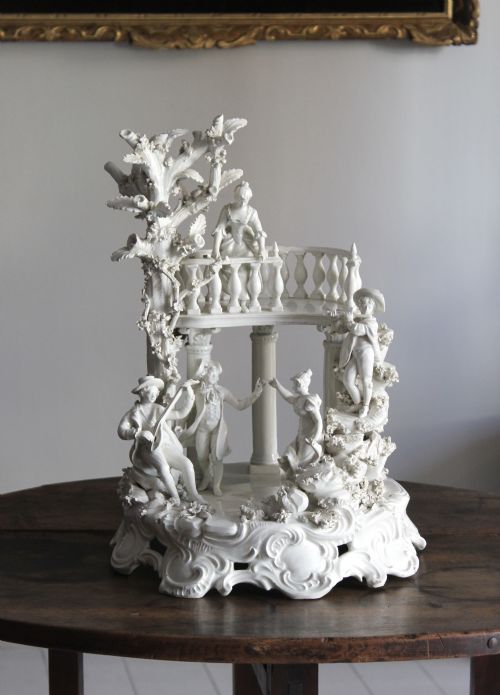
When you search for a vintage ceramic centrepiece, you encounter large bowls, fruit bowls, punch bowls, comports and figural table decorations designed to command attention in the middle of a room. The items span the nineteenth century, the Edwardian era and the art deco decades, originating from English potteries, continental factories and Japanese kilns.
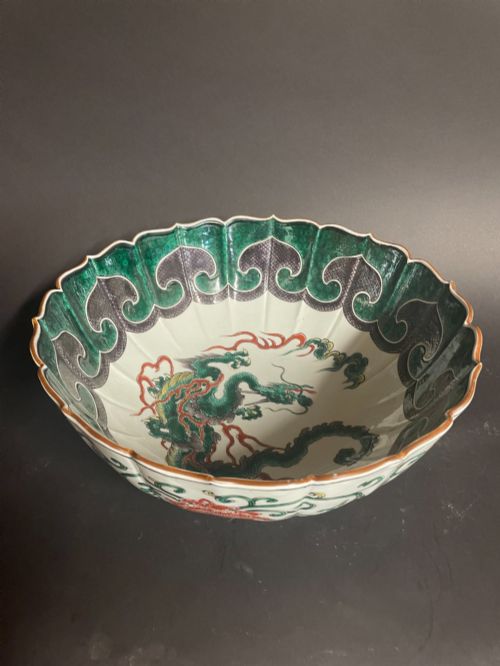
You meet heavily decorated Japanese Imari porcelain bowls alongside English ironstone comports and elaborate German porcelain centrepieces featuring applied roses and putti. Many examples serve practical functions like holding fruit or punch, whilst others exist purely as ornamental urns, jardiniere planters and figural groups.
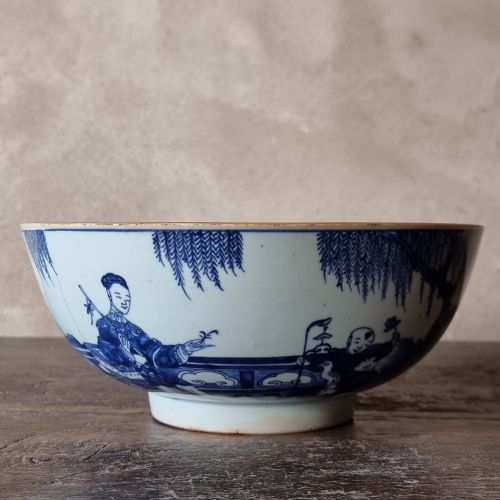
The selection ranges from early eighteenth-century Chinese punch bowls to nineteen-thirties earthenware patterns by Maling and majolica jardiniere planters. Each object reflects the decorative tastes of its period, shifting from rococo revival curves to clean art deco lines.
How they were made
Potters shaped these centrepieces using porcelain, earthenware, soft-paste and ironstone, often building complex forms with applied flowers, lattice galleries and figural putti. Kiln workers fired these clay bodies before applying intricate hand-painted cobalt blue motifs, polychrome enamels and glossy glazes.
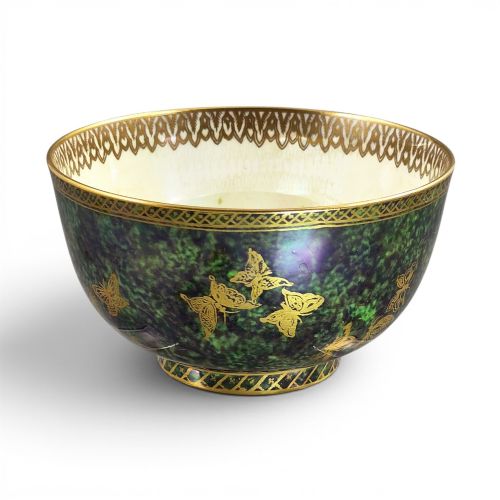
Makers elevated finished surfaces using gold leaf, gilding and iridescent lustre glazes, particularly on Edwardian Wedgwood pieces and nineteenth-century Imari wares. Some large figural centrepieces required multiple moulded sections joined together before the final glaze firing.
Vintage Ceramic Centrepiece Retail Price Guide 2026
Typical asking prices for vintage ceramic centrepiece among the pieces listed under this phrase on Sellingantiques today, from the lower quarter to the upper quarter. They describe what is for sale here now, not the wider market.
Materials span porcelain, earthenware, ironstone and soft-paste, decorated with gold leaf, lustre glazes and hand-painted enamels.
What varies in quality
Origin and maker influence the distinction between standard production wares and exceptional decorative statements, with signed factory marks and named designers commanding greater recognition. The depth and vibrancy of the glaze colours, especially in lustre and Imari palettes, separate ordinary items from those of superior execution.
Coalport or Coalbrookdale·Royal Dux Bohemia·Royal Worcester·Kinkozan Kyoto·Plaue Schierholz
The Vintage Ceramic Centrepiece Glossary
- Comport
- A shallow decorative dish or bowl raised on a pedestal, traditionally used for serving fruit at the end of a meal. These ceramic pieces sit prominently on dining tables.
- Jardiniere
- An ornamental ceramic pot or stand designed to hold a large plant or floral arrangement. They frequently appear in majolica and earthenware.
- Imari
- A style of Japanese porcelain decorated in underglaze blue, iron red, and gold, named after the port from which the wares were exported. The bold patterns became widely imitated in Europe.
- Lustre
- A type of ceramic glaze containing metallic oxides that produce an iridescent, rainbow-like sheen upon firing. Wedgwood utilised this technique extensively on decorative bowls.
- Putti
- Plump, naked infant figures, often winged, used as decorative elements in European porcelain centrepieces. They frequently scramble among applied flowers or musical instruments.
- Ironstone
- A heavy, durable type of earthenware patented in England as a tougher alternative to porcelain. Factories like Mason's used it for robust fruit bowls and comports.
Vintage Ceramic Centrepiece: Frequently Asked Questions
How were ceramic centrepieces used?
These large bowls and comports held fruit, punch or floral arrangements in the centre of formal dining tables. Elaborate figural pieces served purely as decorative conversation pieces for sideboards and drawing rooms.
Over time, their roles shifted from active dining service to display objects collected for their artistic and historical merit.
How do I care for antique porcelain?
Clean these fragile ceramic pieces gently using a soft, dry cloth or a slightly damp sponge without harsh detergents. Avoid soaking items with gilt highlights, lustre glazes or applied flowers, as moisture can damage delicate surfaces.
Keep them away from direct sunlight and areas subject to sudden temperature shifts to protect the glaze and body.
How do I identify a Victorian centrepiece?
Victorian examples frequently display heavy floral encrustations, rich gilding, rococo revival curves, or deep blue and white transfer printing. Makers often relied on naturalistic motifs like flowers, fruit and animals.
Examining the foot rim, glaze characteristics and any impressed factory ciphers helps confirm the nineteenth-century origin.