






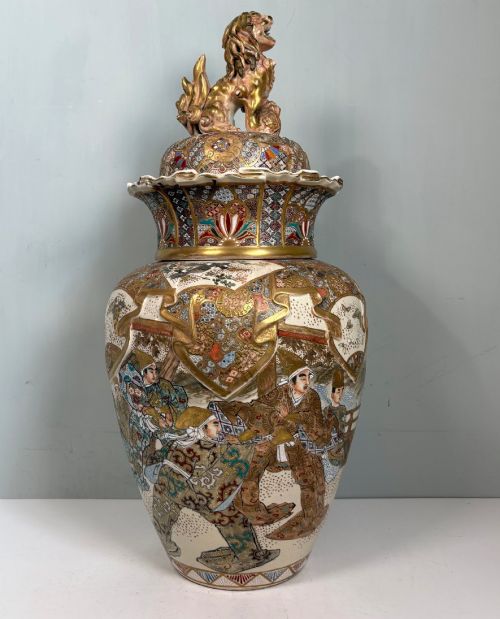
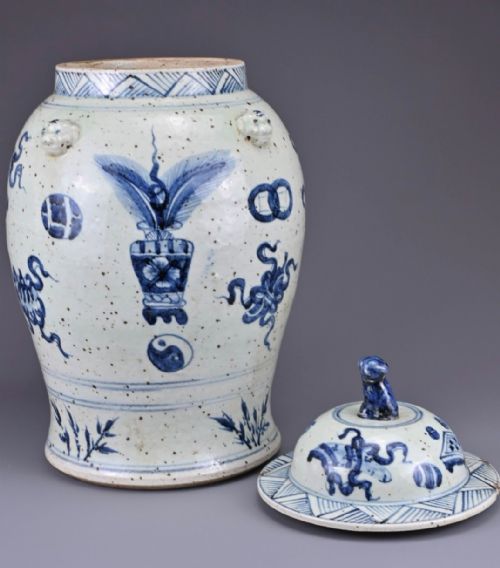

Ceramic Jar with Lid
These ceramic jar with lid pieces are functional vessels formed in porcelain, earthenware, and tin-glazed earthenware across diverse global traditions.
Ceramic Jar with Lid
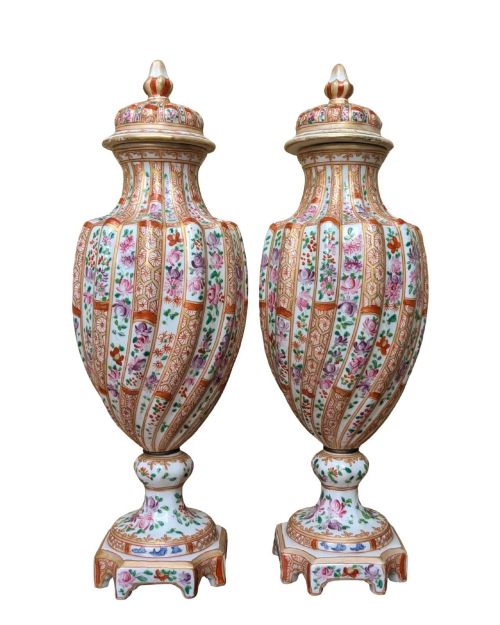
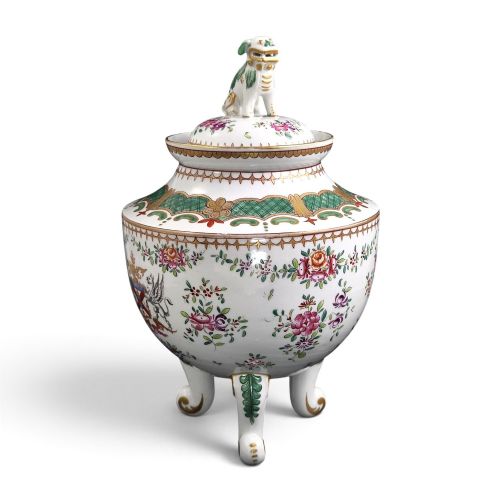
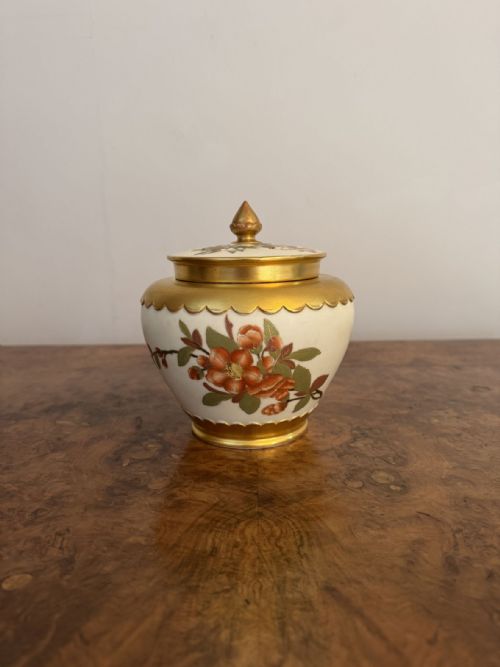
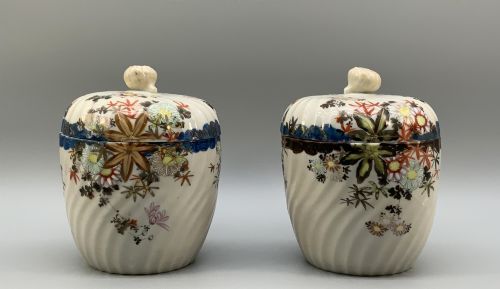
When you search for ceramic jar with lid, you encounter covered vessels ranging from sugar bowls and trinket boxes to large decorative urns and temple jars. These objects serve both ornamental and utilitarian functions across various historic periods and international styles.
The pieces on this page span the eighteenth, nineteenth, and early twentieth centuries, including Edwardian and Art Deco examples. European factories, Continental workshops, and Asian kilns all contribute to the selection available.
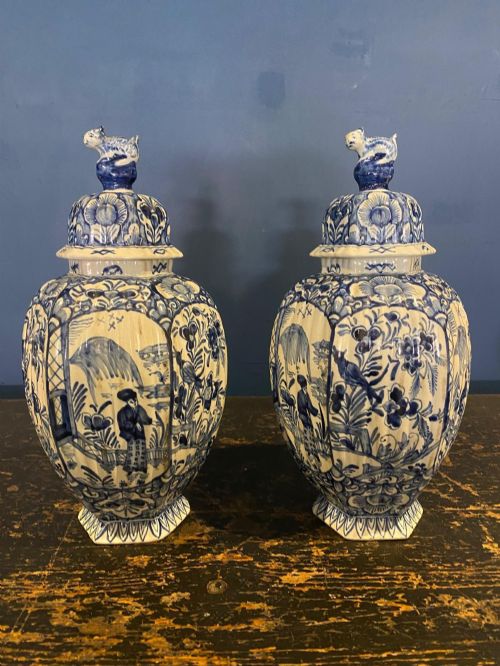
Forms often overlap with lidded vases and urns, featuring traditional decorative motifs such as Chinoiserie, Watteau scenes, and dragon patterns. Buyers frequently find pairs alongside individual statement pieces.
How They Were Made
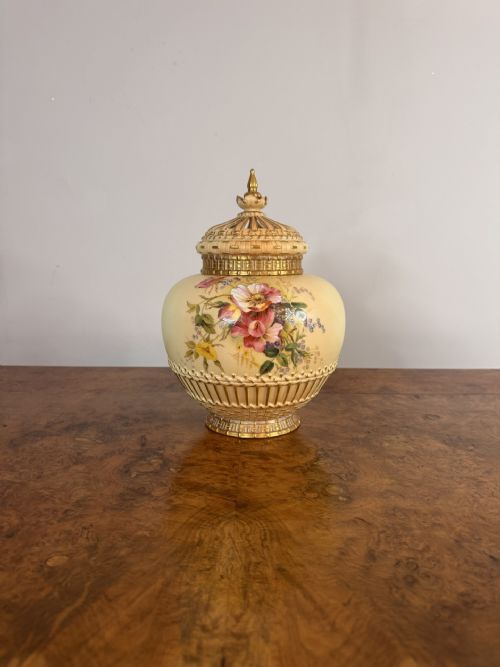
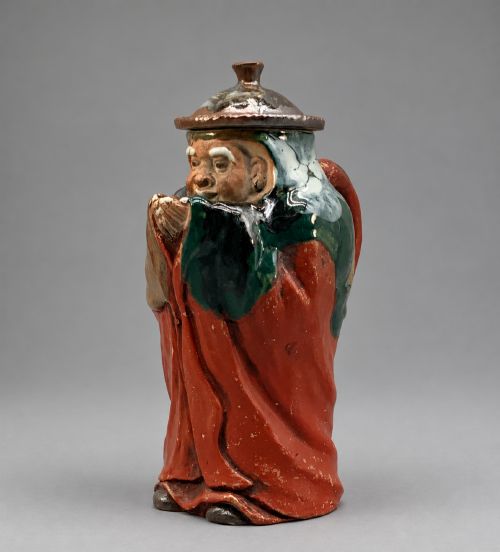
Potters utilised materials such as porcelain, earthenware, and terracotta, applying tin glazes, lead glazes, and enamel finishes. Gold leaf gilding appears on select decorative surfaces to highlight intricate details.
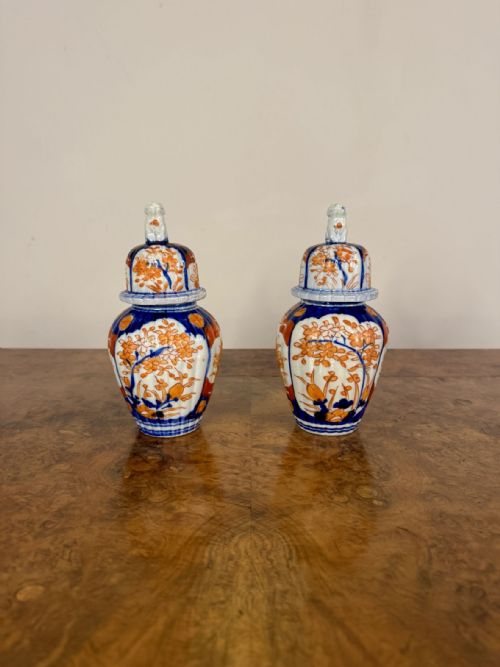
Decorating techniques involve hand-painted scenes, blue-and-white motifs, and polychrome detailing characteristic of Delft, Imari, and majolica traditions. Kiln firing fixed these pigments beneath transparent or opaque glazes.
Ceramic Jar with Lid Retail Price Guide 2026
Typical asking prices for ceramic jar with lid among the pieces listed under this phrase on Sellingantiques today, from the lower quarter to the upper quarter. They describe what is for sale here now, not the wider market.
Materials recorded across the inventory include gold leaf, enamel, tin-glazed earthenware, and lead glaze applied to various forms.
What Varies in Quality
The refinement of the painted brushwork and the precision of the ceramic body distinguish finer pieces from standard production wares. Hand-painted details executed by skilled artisans command greater attention than mass-produced transfer prints.
The completeness and original pairing of the lid with the base influence the integrity of the object. Weight, proportion, and the crispness of moulded or thrown contours reflect the standards of the originating pottery.
Fukagawa Mark·Helena Wolfsohn Dresden·Royal Winton·Meissen Porcelain
The Ceramic Jar with Lid Glossary
- Majolica
- A type of earthenware coated with an opaque tin glaze and painted with metallic oxide colours. This technique produces vibrant polychrome surfaces found on many nineteenth-century continental vessels.
- Chinoiserie
- A European artistic style reflecting Chinese aesthetic influences. Artisans applied whimsical oriental motifs to ceramics and furniture during the eighteenth and nineteenth centuries.
- Imari
- A style of Japanese porcelain decorated in underglaze blue and overglaze red, gold, and other colours. These pieces were widely exported to Europe and imitated by Western potteries.
- Delft
- Tin-glazed earthenware originating from the Netherlands, traditionally characterised by blue-and-white designs. Production dates back several centuries, mimicking Chinese porcelain imports.
- Doucai
- A Chinese porcelain technique combining underglaze blue outlines with overglaze polychrome enamels. The resulting designs display distinct coloured fills within blue boundaries.
Ceramic Jar with Lid: Frequently Asked Questions
How were these lidded ceramic jars originally used?
Many of these vessels served specific domestic purposes such as storing dry goods, sugar, or tea leaves. Others functioned purely as decorative ornaments or mantelpiece displays.
Larger covered urns and temple jars were designed to command attention in grand reception rooms. Smaller lidded boxes held trinkets or valuables on dressing tables.
How do I care for antique ceramic jars?
Keep delicate ceramics away from direct sunlight to prevent fading on enamelled or gilded surfaces. Dust them gently with a soft, dry cloth.
Avoid submerging antique pieces in water, particularly those with overglaze enamels or lead glazes that can degrade over time.
How can I tell the difference between periods?
Stylistic clues such as floral borders, glaze thickness, and mark types help indicate the date of manufacture. Nineteenth-century pieces often display heavier moulded bodies compared to eighteenth-century examples.
Factory stamps and painted signatures provide reliable markers when tracing origins to specific decades or potteries.
Are lids usually original to the base?
Lids are generally matched to their original bases by matching clay bodies, glaze tones, and decorative motifs. Slight variations in fit can occur due to shrinkage during the initial kiln firing.
Examining the interior rims reveals whether the lid and base share the same wear patterns and age characteristics.