



Ceramic Bird Figurine
Every ceramic bird figurine brings a lively touch of nature indoors, capturing feathered subjects in permanent glaze and clay.
Ceramic Bird Figurine
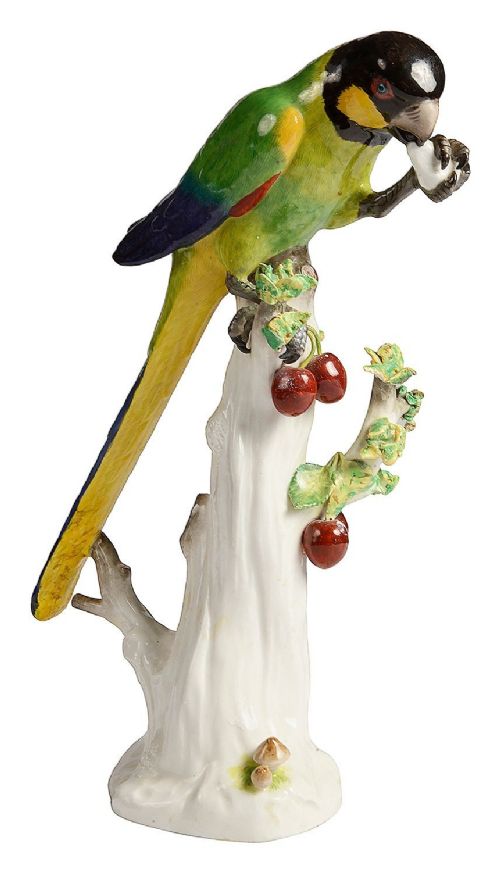
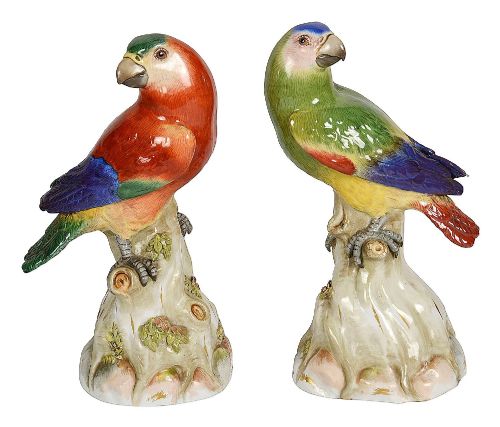
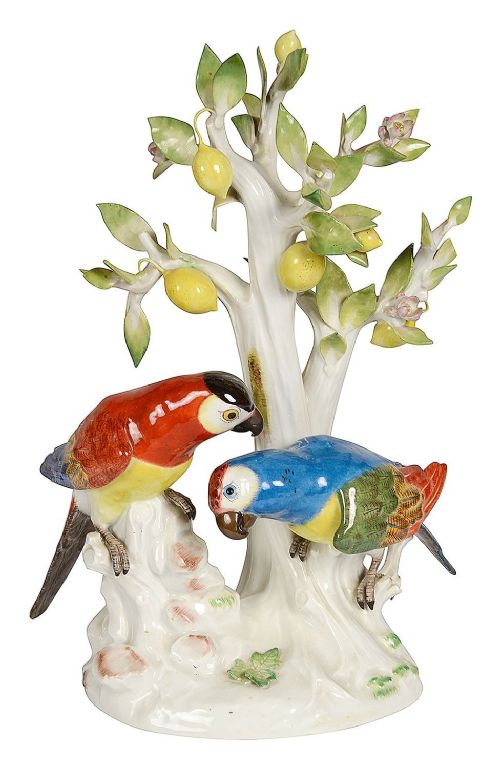
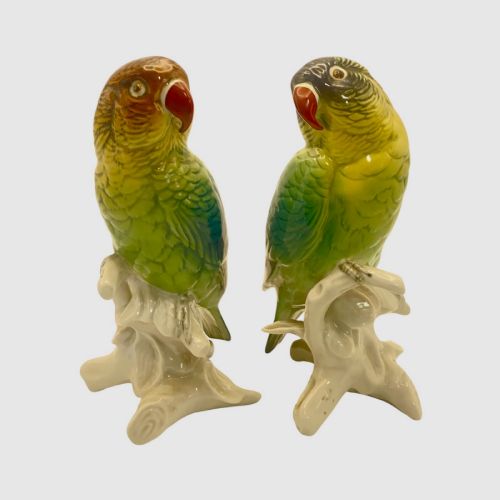
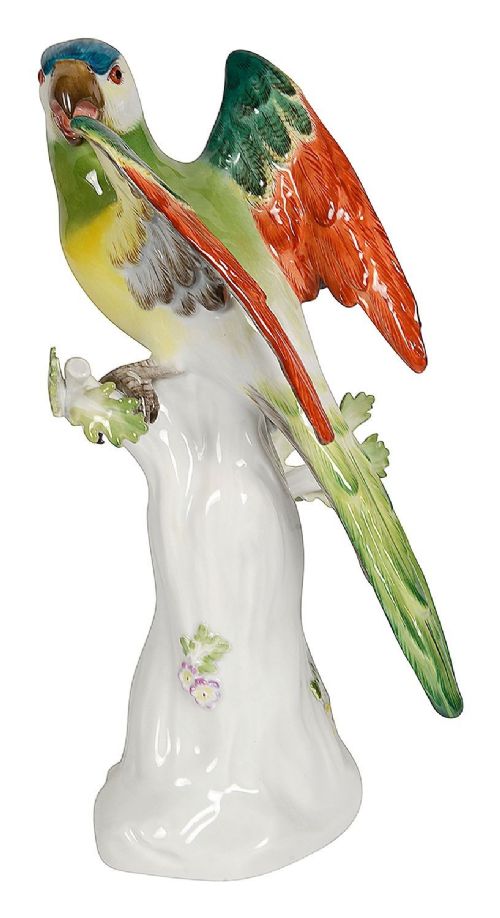
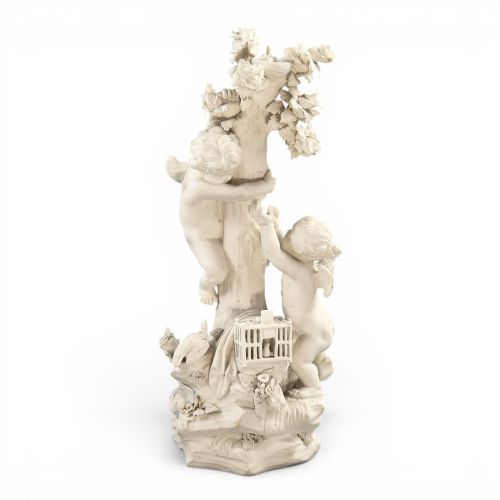
A ceramic bird figurine covers a broad spectrum of avian representations, ranging from European porcelain parrots and cockatoos to Chinese turquoise glazed cockerels and famille rose pheasants. Buyers encounter various historical periods here, with nineteenth-century pieces alongside Georgian biscuit figures and twentieth-century studio ceramics.
The selections span distinct cultural traditions, including German manufactories, Qing dynasty Chinese porcelain, and Japanese okimono. Forms include single decorative figures, matching pairs perched on tree trunks, and functional candle snuffers.
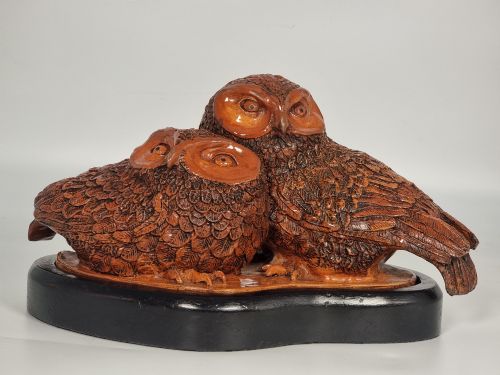
Meissen models appear frequently among the listings, often depicting exotic parrots and hoopoes in colourful glazes. Other examples incorporate earthenware and terracotta to portray owls, cockerels, and ducks.
Materials and production
Makers utilised hard-paste porcelain, earthenware, and terracotta as the primary structural bases for these avian sculptures. Glaze application varied from rich sancai and turquoise formulas to detailed enamel work and biscuit finishes.
Artisans employed hand-sculpting techniques to shape the feathers and anatomical details before firing the clay in kilns. Some pieces incorporate gold leaf highlights to accentuate specific decorative elements on the plumage.
Ceramic Bird Figurine Retail Price Guide 2026
Typical asking prices for ceramic bird figurine among the pieces listed under this phrase on Sellingantiques today, from the lower quarter to the upper quarter. They describe what is for sale here now, not the wider market.
Several ceramic birds double as candle snuffers, putting polite nineteenth-century fire safety into the beak of a duck.
Assessing the work
The success of a ceramic bird figurine rests upon the naturalism of the modelling and the precision of the hand-painted plumage. Superior examples display careful attention to anatomical proportions and posture.
The depth and vibrancy of the glaze or enamel work distinguish finer pieces from simpler productions. Mastery over high-temperature firing techniques allows the colours to remain crisp and well-defined across the surface.
Karl Ens·Meissen·Makuzu Kozan II·Royal Worcester·Le Manceau·Volkstedt Triebner Ens Eckert·T.J Jones
The Ceramic Bird Figurine Glossary
- Biscuit
- Unglazed ceramic fired once to create a matte, porous finish resembling marble. This technique gained prominence in eighteenth-century figure production.
- Famille Verte
- A Chinese porcelain palette dominated by green enamel overglaze colours. Artisans introduced this style during the Qing dynasty.
- Okimono
- A Japanese freestanding ornamental carving intended for display on a shelf or in a tokonoma alcove. These objects frequently depict animals and figures.
- Sancai
- A traditional three-colour Chinese glaze technique utilising lead fluxes. The colours typically comprise amber, green, and cream white.
- Hard-paste porcelain
- A dense ceramic compound composed of kaolin and petuntse fired at high temperatures. European factories developed formulas to emulate imported Asian wares.
Ceramic Bird Figurine: Frequently Asked Questions
How do I date a porcelain bird?
Dating relies on examining the factory marks stamped or painted on the underside of the base. Stylistic cues such as the complexity of the glaze and modelling techniques also provide chronological context.
Comparison with documented factory output helps narrow down the production decade. Certain glaze palettes and colouring styles remain specific to nineteenth or twentieth-century workshops.
Where should I display these figures?
These sculptures suit placement on mantelpieces, bookshelves, or dedicated display cabinets away from high-traffic areas. Pairs often look balanced when arranged symmetrically on a sideboard.
Stable surfaces protect the protruding elements like tails and beaks from accidental knocks. Adequate lighting enhances the glossy finish of the glazes.
Are these figures fragile?
Ceramic and porcelain structures require careful handling due to the delicate nature of wings, crests, and perches. Sudden temperature changes can also stress historical materials.
Dusting with a soft, dry brush keeps the surface clean without risking moisture damage. Avoiding harsh chemical cleaners preserves the original enamel and glaze layers.
Why are parrots common subjects?
Exotic birds became symbols of global exploration and wealth during the eighteenth and nineteenth centuries. European factories capitalized on this fascination by producing brightly coloured porcelain models.
Meissen and other major manufactories created numerous parrot and cockatoo designs to satisfy elite demand. The vibrant plumage allowed ceramicists to showcase their painting skills.